First get ‘hatchet man’ CEC to resign: Congress on Shah's SIR debate dare
Source Entity
India Latest News: Top National Headlines Today & Breaking News | The Hindu
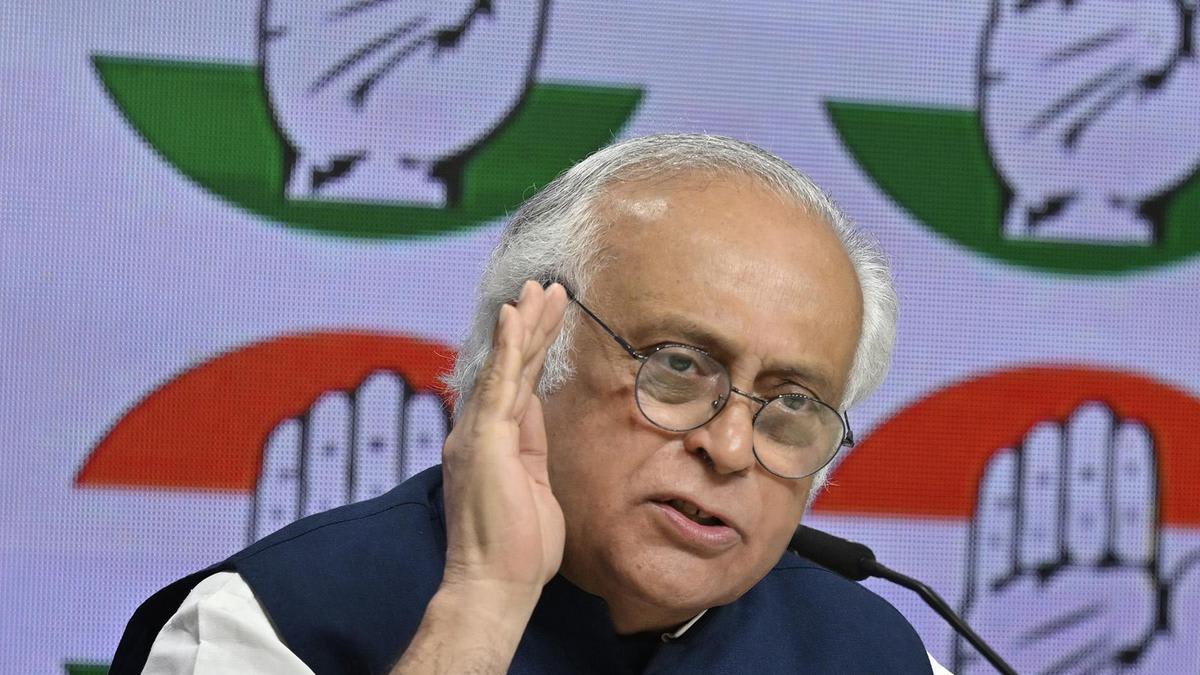
The Congress party has escalated tensions with the BJP by demanding the resignation of the Chief Election Commissioner and the suspension of the SIR before engaging in any parliamentary debates. Meanwhile, Rahul Gandhi has challenged Prime Minister Narendra Modi to an open public debate regarding allegations of foreign influence and the Adani case.
Political Standoff: Congress Demands and Debate Challenges
The Indian political landscape has reached a point of heightened friction as the Congress party, led by communications chief Jairam Ramesh, has issued a sharp rebuttal to Union Home Minister Amit Shah’s proposal for a special parliamentary session regarding the controversial SIR (Special Issue Resolution) debate. The Congress leadership has set firm prerequisites for such a dialogue, demanding the resignation of Chief Election Commissioner Gyanesh Kumar and the immediate suspension of the SIR as a condition for participation. This move underscores the deep-seated mistrust between the ruling National Democratic Alliance (NDA) and the opposition.
The Parliamentary Maneuvering
Jairam Ramesh’s critique highlights a procedural anomaly: 82 days have passed since the Monsoon Session was adjourned sine die without being formally prorogued. The Congress argues that this delay is a strategic maneuver by the Home Minister to maintain the flexibility to convene a sudden special session. The primary concern raised by the opposition is the potential passage of Delimitation Bills, which they fear will be forced through with a two-thirds majority in the Lok Sabha without adequate transparency regarding the bills' contents.
Rahul Gandhi’s Public Challenge
Simultaneously, the Leader of the Opposition, Rahul Gandhi, has intensified his direct confrontation with Prime Minister Narendra Modi. Following a challenge issued during the Diwali period, Gandhi has renewed his call for an open public debate to address serious allegations, including the 'Adani case' and claims of 'foreign influence' in government affairs. By suggesting that the debate be moderated by RSS chief Mohan Bhagwat and held in front of the media and the youth, Gandhi is attempting to shift the narrative from parliamentary floor-fighting to a public trial of accountability.
Historical Context and Political Rhetoric
The current impasse traces back to Prime Minister Modi’s 'Ekta Diwas' speech, where he characterized the opposition as an 'obstructionist force' (avrodh paksh). Rahul Gandhi’s retort—labeling the BJP’s claims of the opposition being 'anti-national' as a distraction—highlights the deepening ideological divide. The Congress party's decision to run social media polls to gauge public interest in a direct debate indicates a strategy to leverage digital platforms to pressure the Prime Minister into a format that favors the opposition's narrative.
Future Implications and Trends
This cycle of challenges and counter-demands suggests that the upcoming legislative sessions will be characterized by extreme volatility. If the government proceeds with the Delimitation Bills without addressing the opposition’s demands regarding the Election Commission, it is likely to face severe disruption. Conversely, the Prime Minister’s refusal to engage in an open debate may be used by the opposition to frame the government as avoidant, potentially impacting public sentiment in future electoral cycles. The focus remains on whether the government will prioritize legislative momentum or attempt to bridge the widening trust deficit with its political rivals.
Verification Required?