Congress rally on November 1: What are the conditions imposed by Delhi Police
Source Entity
India Latest News: Top National Headlines Today & Breaking News | The Hindu
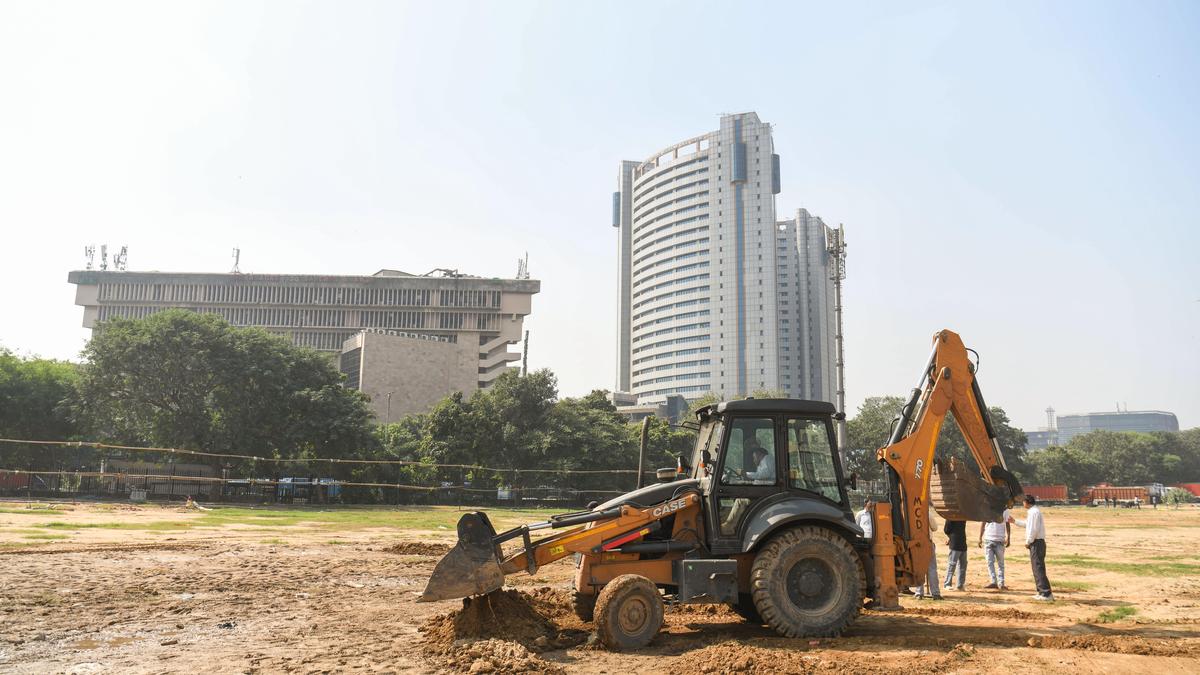
The Congress-led INDIA bloc has scheduled a major rally at Delhi’s Ramlila Maidan for November 1, 2026, to protest against the Chief Election Commissioner. Local traders have requested a postponement, citing potential business losses of ₹10,000 crore during the peak festive season.
The INDIA Bloc’s November 1 Mobilization: A Deep Dive
On November 1, 2026, the Congress party and the broader INDIA bloc are set to host a significant rally at Delhi’s historic Ramlila Maidan. The primary objective of this gathering is to demand the resignation of Chief Election Commissioner Gyanesh Kumar, an action that signals a deepening rift between the opposition alliance and the constitutional authority overseeing India’s electoral processes. Rahul Gandhi has actively encouraged public participation in this 'Delhi Chalo' march, framing it as a necessary stand to uphold democratic integrity and challenge alleged electoral malfeasance.
Regulatory Framework and Policing
The Delhi Police granted a no-objection certificate (NOC) on October 17, 2026, permitting the rally under specific, mandated conditions. Deputy Commissioner of Police (Central) Rohit Rajbir Singh confirmed that the permission is strictly confined to the Ramlila Maidan venue. This location is significant, as it remains one of the three designated protest sites in the capital following the de-notification of Jantar Mantar. The police mandate further requires the organizers to secure additional clearances from the land-owning authority, ensuring that the event remains within the legal boundaries of public order and safety guidelines.
Economic Implications and Trade Tensions
The timing of the rally has sparked intense backlash from the business community. The Chamber of Trade and Industry (CTI) has issued a formal appeal to Congress leadership, including Rahul Gandhi and Mallikarjun Kharge, requesting a postponement or a change of venue. Traders are particularly concerned about the impact on 21 major markets, including the iconic Chandni Chowk, Sadar Bazaar, and Khari Baoli. With the rally coinciding with the peak festive season, stakeholders project potential economic losses reaching ₹10,000 crore due to anticipated logistical paralysis.
Political Strategy vs. Public Convenience
Rahul Gandhi’s call for a massive turnout—with organizers claiming attendance could reach 10 lakh people—highlights the INDIA bloc's strategy to leverage street presence as a political tool. By inviting diverse groups, including student organizations, the alliance seeks to broaden its base. However, the defiance expressed toward the prospect of police intervention—characterized by Gandhi’s comment, 'Don't worry about lathis'—suggests an escalating confrontation that prioritizes political optics over the concerns of local merchants.
Future Trends and Conclusion
The conflict between political mobilization and urban economic stability is a recurring theme in Delhi’s history. As the November 1 date approaches, the outcome of the negotiations between the CTI and the INDIA bloc remains uncertain. If the rally proceeds as planned, it will likely serve as a litmus test for the opposition's ability to balance mass mobilization with public sentiment. Looking forward, this event underscores the growing necessity for a more sustainable framework that allows for democratic dissent without crippling the capital's essential commercial hubs during critical economic periods.
Verification Required?