Healey promises reduction in welfare bill before next election
Source Entity
BBC News
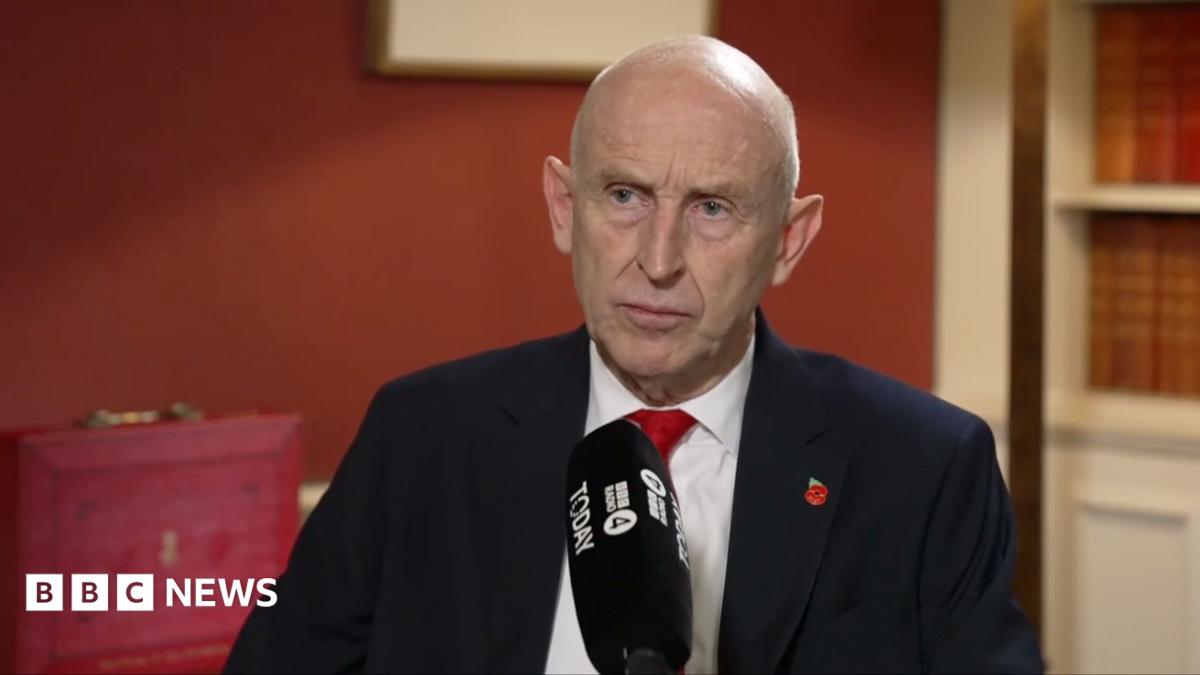
Chancellor John Healey is set to deliver his first Budget, aiming to balance fiscal constraints with promises of cost-of-living relief. Key measures include a one-off £100 household energy payment for specific council tax bands, funded by new bank taxes.
Navigating Economic Realities: The First Budget of the New Administration
As Chancellor John Healey prepares to deliver his first Budget on October 28, the UK government finds itself at a critical juncture. The administration, led by Prime Minister Andy Burnham, has framed this moment as a significant shift in national politics, yet they are immediately confronted by the stark reality of limited fiscal resources. Unlike the economic landscape of the 1990s, the current government must operate within a framework of tight constraints, balancing ambitious campaign promises against the backdrop of a challenging global climate and domestic financial pressures.
The Challenge of Fiscal Constraints
Experts, including Helen Miller of the Institute of Fiscal Studies (IFS), have highlighted that the new government’s ambitions are tempered by both self-imposed limitations and external volatility. Global events, particularly the ongoing conflict in the Middle East, have worsened economic conditions, complicating the government's ability to fulfill its agenda. The Chancellor has been transparent about the lack of excess capital, signaling that while there is a desire to provide "breathing space" for households, the government has not ruled out tax increases to facilitate necessary spending elsewhere.
Targeted Support for the Cost of Living
Central to the upcoming announcement is the government's strategy to address the soaring cost of living, with energy bills remaining a primary concern. With Ofgem’s price cap expected to push annual bills toward the £2,000 mark by January, the administration has unveiled a targeted relief measure. Households in council tax bands A through D in England are slated to receive a one-off £100 "Household Energy Payment," a direct intervention designed to provide immediate, tangible relief to those most vulnerable to energy price volatility.
Financing the Future
To fund these interventions, the Chancellor has turned to the banking sector, introducing an additional tax on banks. This redistributive approach reflects the government's attempt to secure revenue from high-earning sectors to subsidize household costs. By keeping policy details tightly under wraps until the official delivery of the Budget, the government has attempted to manage public expectations and prevent premature speculation, ensuring the narrative remains focused on their legislative priorities.
Regional Implications and Implementation
While the £100 payment is confirmed for England, the government has allocated equivalent funding to the devolved administrations in Scotland, Wales, and Northern Ireland. These regions will retain the autonomy to determine whether to replicate the payment scheme or allocate the funds toward other local priorities. This decentralized approach acknowledges the varied economic needs across the UK while maintaining a baseline of support for citizens struggling with energy costs.
Conclusion: A Test of Political Will
The upcoming Budget serves as the inaugural test of whether the Burnham-Healey administration can successfully navigate the tension between populist promises and the rigid realities of fiscal responsibility. By prioritizing immediate energy relief while signaling potential tax reforms, the government is attempting to demonstrate both empathy for the average household and a commitment to long-term economic stability. The success of these measures will likely define the public's perception of the government's mandate in the coming months.
Multiple Citing Sources