Parliamentary panel to examine integrity of national exams, need for reforms
Source Entity
The Indian Express
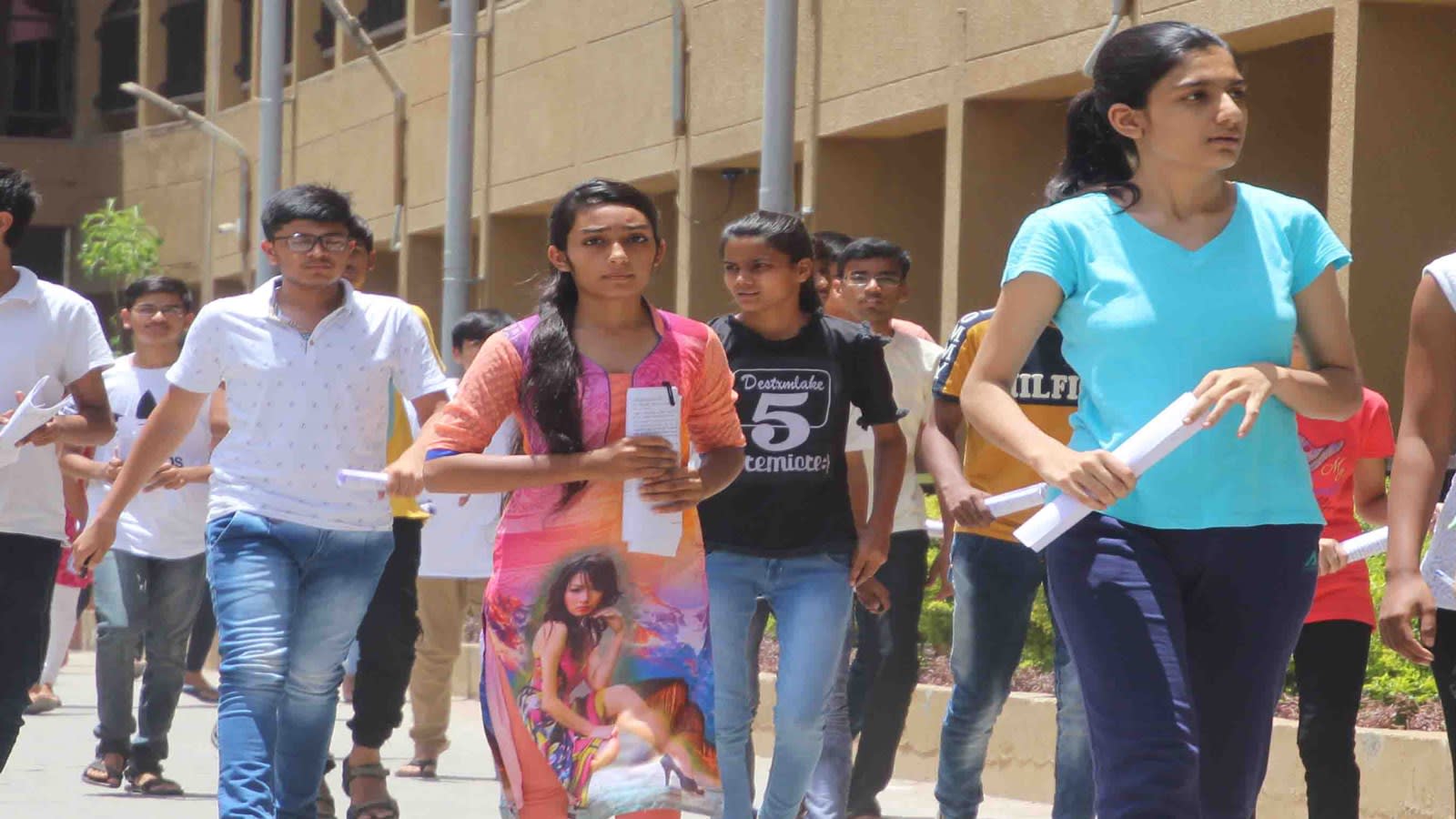
A Parliamentary panel is investigating national examination integrity following high-profile paper leaks, including the NEET-UG. The committee aims to propose systemic reforms and stricter regulations for the coaching industry.
Addressing the Crisis in National Examinations
The decision by the Department-related Parliamentary Standing Committee on Education, Women, Children, Youth and Sports to conduct a formal examination of the integrity of national testing marks a pivotal moment in the governance of India's educational assessment infrastructure. This move comes as a direct response to a mounting wave of public concern regarding the sanctity of competitive exams, specifically triggered by the widespread reports of question paper leaks. The integrity of these examinations is not merely a procedural matter; it is the bedrock of social mobility for millions of students who rely on merit-based selection to secure their academic and professional futures.
The NEET-UG Catalyst
The urgency of this parliamentary intervention is rooted in the controversies surrounding the NEET-UG medical entrance examinations held earlier this year. The reported leaks and the subsequent administrative handling of the examination have exposed deep-seated vulnerabilities in the current system. When the integrity of a high-stakes exam is compromised, it erodes the public trust in the entire institutional apparatus responsible for fair testing. The fact that the committee is revisiting these events indicates a realization that minor adjustments are insufficient; a total overhaul of the examination process is now required to prevent future systemic failures.
Lessons from Recent Disruptions
Previous evaluations by parliamentary bodies have highlighted the complexities involved in managing large-scale national testing. The committee specifically noted that the decision to cancel or re-evaluate the NEET-UG 2026 examination, despite the implementation of existing security measures, demonstrated that current protocols are failing to keep pace with sophisticated malpractice. This acknowledgment suggests that the committee is shifting its focus from reactive crisis management toward proactive, structural, and institutional reforms that can withstand modern security threats.
Regulatory Oversight of Coaching Centers
Beyond the examination centers themselves, the committee is expanding its scope to include the regulation of the private coaching industry. For years, these institutions have operated in a grey area, often exerting significant influence over both student life and the examination ecosystem. By reviewing the functioning and regulatory frameworks governing these centers, the government signals an intent to ensure that the private sector does not inadvertently or intentionally undermine the fairness of public testing. This is a crucial step in formalizing the support systems that surround the student experience.
The Path Toward Institutional Reform
Looking forward, the committee's mandate suggests a movement toward a more robust, digitized, and transparent examination system. This involves not only technological upgrades in secure printing and distribution but also a potential restructuring of the agencies tasked with administering these tests. The goal is to create a 'leak-proof' environment that can withstand intense scrutiny and high volumes of test-takers, effectively restoring the credibility of the national admissions process.
Conclusion
In summary, the parliamentary review is a necessary evolution in response to the growing challenges of digital-age examination fraud. By addressing both the technical failures of the testing bodies and the external pressures from the coaching industry, the committee aims to provide a comprehensive strategy for safeguarding the future of Indian education. The success of these reforms will be measured by the restoration of student confidence and the long-term stability of the competitive examination landscape.