BJP's Kiren Rijiju calls Naseeruddin Shah ‘dangerous urban Dimagi Naxal’ after actor backs Jamia students
Source Entity
Latest News: Todays Latest News Headlines from India & World | Hindustan Times | Hindustan Times
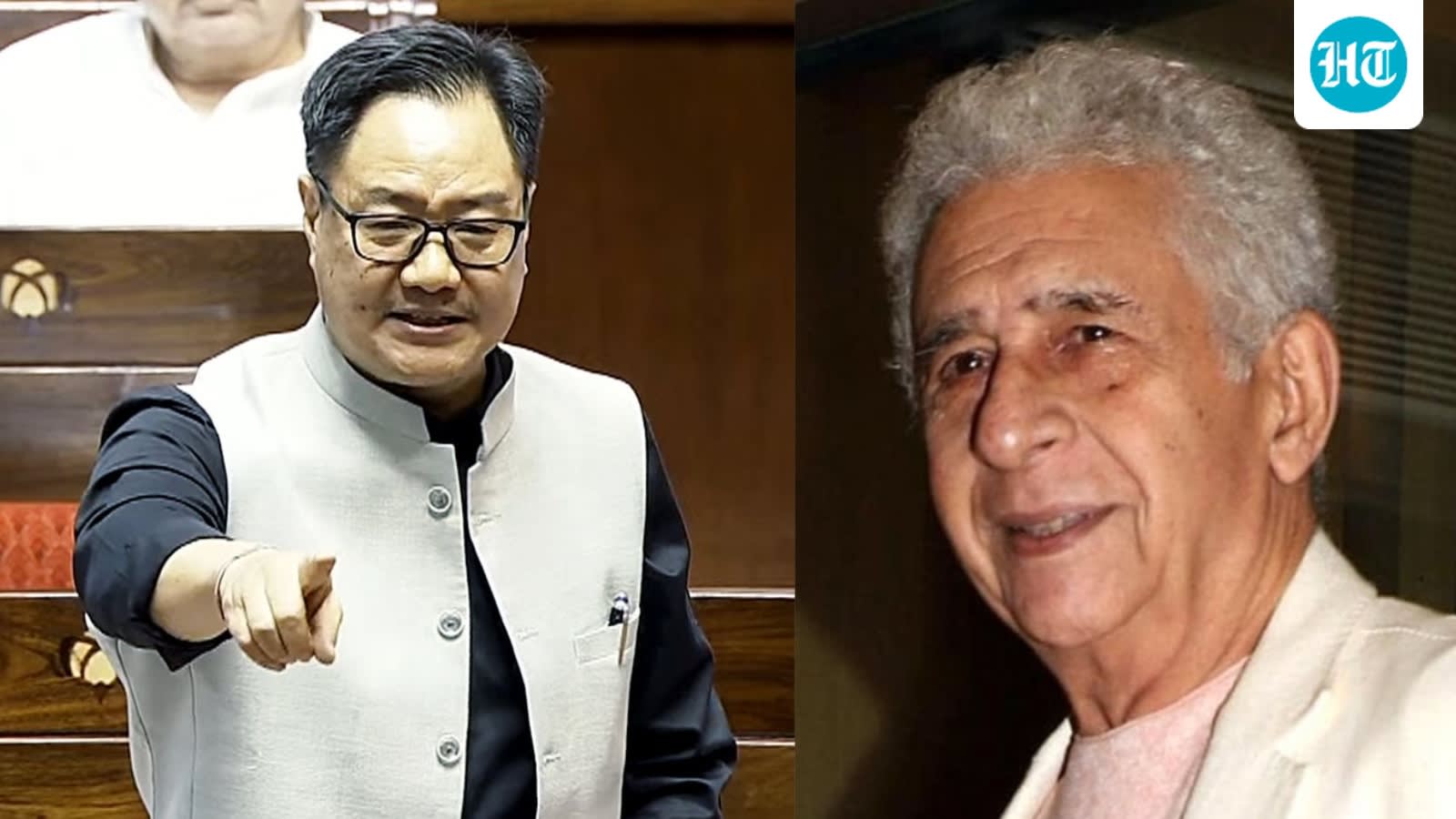
Actor Naseeruddin Shah has sparked a political firestorm by labeling himself a 'Dimagi Naxal' while supporting Jamia Millia Islamia student protests. Union Minister Kiren Rijiju responded by condemning the actor as a dangerous influence on Indian democracy.
The Intersection of Art and Activism: Naseeruddin Shah’s Recent Stance
Veteran actor Naseeruddin Shah has ignited a significant public and political debate by publicly identifying as a "proud Dimagi Naxal" while extending his support to students at Jamia Millia Islamia. The students have been engaged in a prolonged protest, now entering its 17th day, primarily demanding the restoration of their elected students’ union, which has remained dissolved since 2006. Shah’s decision to intervene in this discourse, articulated through a video shared on social media, marks a deepening divide between public intellectuals and the current administration regarding the state of democratic expression on university campuses.
The Jamia Millia Islamia Protests: A Contextual Overview
The ongoing agitation at Jamia Millia Islamia is rooted in a long-standing demand for institutional democratization. By seeking the revival of a formal student union, protestors are aiming to re-establish a platform for collective bargaining and campus governance. However, the situation escalated recently following reports of violence and property damage on campus. Education Minister Pralhad Joshi has taken a firm stance, characterizing the unrest as "hooliganism" and explicitly warning that such actions will not be tolerated, thereby framing the protests as a law-and-order issue rather than a platform for legitimate democratic grievance.
The Rhetorical Clash: 'Dimagi Naxal' and Political Polarization
Naseeruddin Shah’s adoption of the term "Dimagi Naxal"—a phrase suggesting an intellectual-ideological alignment with radical dissent—has served as a lightning rod for criticism. By using such provocative terminology, Shah has invited intense scrutiny from the political establishment. Union Parliamentary Minister Kiren Rijiju responded sharply to the actor's comments, labeling him a "dangerous urban Dimagi Naxal." This exchange highlights a growing trend in Indian political discourse where dissenting voices are frequently categorized through extreme political labels, effectively shifting the focus from the substantive issues of student governance to the character of the individual expressing the dissent.
Analyzing the Ministerial Response
The response from Kiren Rijiju underscores the friction between the government and cultural figures who challenge state narratives. Rijiju’s assertion that Shah is "extremely detrimental to India's democracy" reflects a broader ideological battleground. By questioning the actor's character and suggesting his influence is harmful, the government is signaling a low tolerance for high-profile endorsements of student-led movements that disrupt institutional order. This indicates a tightening of the space for public debate, where the lines between political critique and perceived anti-national sentiment are increasingly blurred.
Broader Implications for Civil Society
The escalation of this conflict suggests that the divide between the state and those advocating for institutional reforms is widening. As the protests continue, the involvement of prominent figures like Shah ensures that the debate remains in the national spotlight, but it also risks polarizing the public further. The future of student activism in India may depend on how these institutions handle internal dissent, and whether the government chooses to engage with the core demands of the students or continues to treat such movements primarily as threats to civil order. The current situation serves as a critical case study in the evolving relationship between celebrity activism, student rights, and government authority.
Multiple Citing Sources
Verification Required?