West Bengal police ‘encounters’: the events and the questions they raise | Explained
Source Entity
India Latest News: Top National Headlines Today & Breaking News | The Hindu
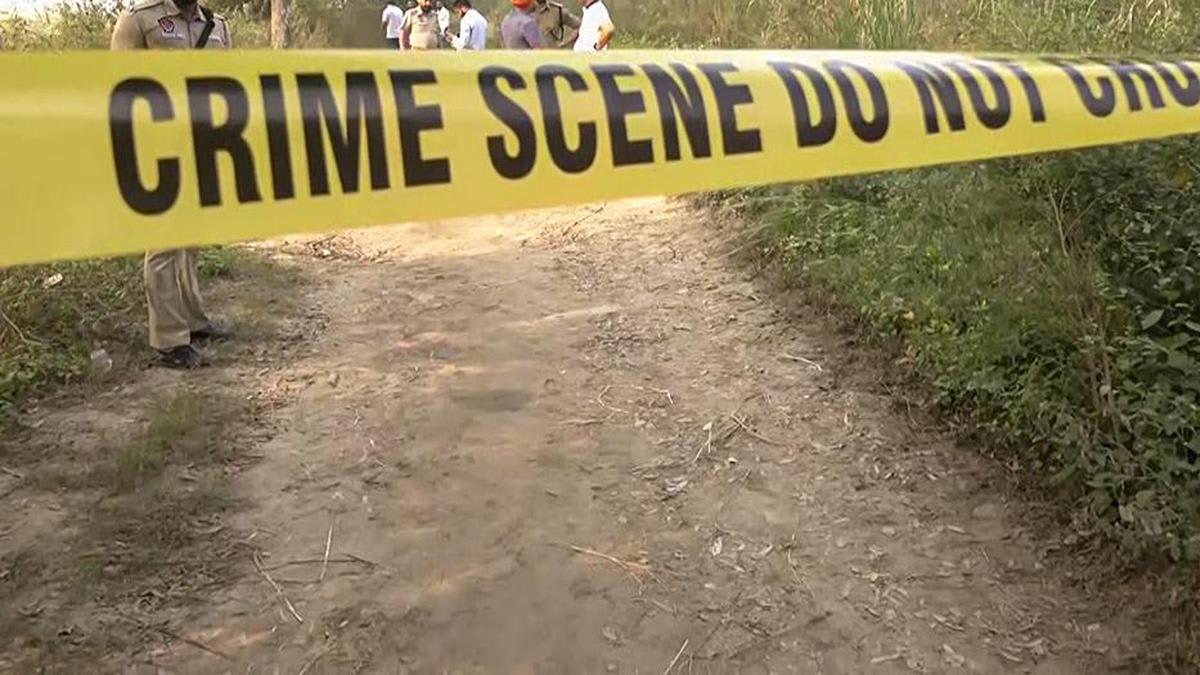
West Bengal's recent surge in police encounters has sparked intense political debate following the deaths of five suspects since the BJP took power in May. While the government frames these actions as a 'tough line' on crime, opposition groups and human rights organizations are questioning the legitimacy of these incidents.
The Escalation of Police Encounters in West Bengal
Since the BJP government assumed power in West Bengal in May, the state has witnessed a notable shift in law enforcement tactics. Within a short span of time, five individuals—three accused of murder and two charged with the sexual assault of minors—have been killed during police encounters. The most recent incidents occurred on October 27, when Prahlad Das and Samiul Sheikh were fatally shot in separate districts within a 12-hour window. These events have ignited a fierce debate regarding state security, judicial procedure, and the boundaries of police authority.
The Official Narrative vs. Public Scrutiny
In both the Gaighata and Dhulian incidents, the police provided a nearly identical account of the events. According to official reports, the suspects were killed during the process of crime scene reconstruction. The police claim that in both instances, the accused managed to snatch a service revolver from officers, opened fire, and were subsequently killed in retaliatory actions. This recurring narrative, which mirrors an earlier incident in July involving suspect Prabhas Mondal, has become a focal point for critics who argue that such accounts are increasingly predictable and warrant independent investigation.
Political Rhetoric and the 'Tough Line'
Under the leadership of Suvendu Adhikari, the current administration has sought to project a "tough line" on crime. This stance has garnered vocal support from various government ministers, with some even offering poetic endorsements of the police actions. By framing these encounters as necessary measures for public safety, the government is attempting to signal a departure from previous administrative approaches to law and order. However, this rhetoric has created a polarized political climate, where the administration’s focus on swift justice is clashing with established legal norms.
Human Rights and Institutional Concerns
Human rights bodies and opposition parties have expressed deep concern over the circumstances surrounding these deaths. Critics argue that the systematic nature of these encounters suggests a potential erosion of due process and the rule of law. The apprehension is that the state is bypassing the judicial system in favor of extrajudicial solutions, which could set a dangerous precedent for the future of democratic governance in West Bengal.
Contextualizing the Pattern of Violence
To understand the gravity of these events, one must look at the frequency and the profile of those killed. The fact that five people have been killed in such a short period since May indicates a significant shift in police engagement. When law enforcement agencies consistently rely on the same narrative—suspects snatching weapons during reconstruction—it naturally invites skepticism. The lack of variation in how these encounters unfold is exactly what has drawn the attention of legal experts and civil society groups alike.
Future Implications for the State
As the government continues to defend these actions, the pressure for increased transparency is likely to grow. The future of this policy will depend on whether the administration can provide substantive evidence that these encounters were genuine acts of self-defense rather than a tool for summary justice. If these incidents continue to mount without credible independent oversight, the state may face significant legal challenges and a potential decline in public trust regarding the integrity of its police force.
Verification Required?