PMAY housing subsidy sanctioned but bank ‘fails to release it’, woman wins Rs 2 lakh
Source Entity
Richa Sahay
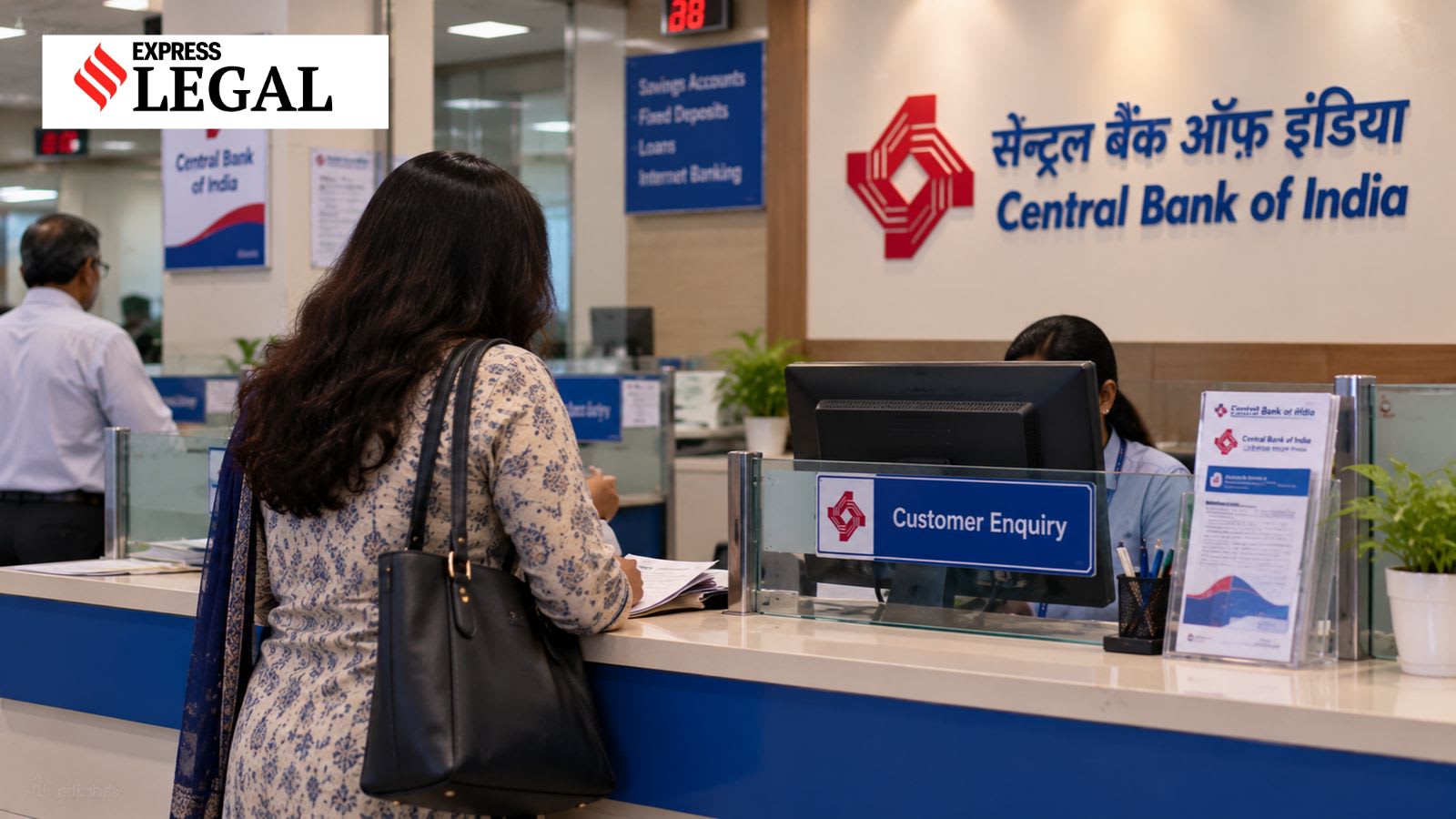
District consumer commissions in India have recently ruled in favor of three individuals, penalizing banks and development authorities for service deficiencies. These cases highlight the growing role of consumer forums in protecting citizens against financial negligence and contract failures.
Consumer Protection Wins: Holding Institutions Accountable
Recent rulings from various district consumer commissions across India underscore a growing trend of institutional accountability. In three distinct cases, citizens have successfully challenged financial and regulatory bodies—specifically the Central Bank of India, the State Bank of India (SBI), and the Punjab Urban Planning and Development Authority (PUDA)—for failures in service and contractual obligations. These verdicts serve as a vital reminder that consumer rights are robustly protected under the legal framework, even when individuals face large, established organizations.
The PMAY Subsidy Dispute
In Haryana, the Rohtak District Consumer Disputes Redressal Commission addressed a critical failure regarding the Pradhan Mantri Awas Yojana (PMAY). The complainant, who had secured a housing loan in 2017, was denied her entitled subsidy despite the bank's own records confirming the claim was processed. By ordering the Central Bank of India to credit the Rs 1.99 lakh subsidy along with compensation, the commission reinforced the principle that banking institutions cannot withhold government-backed welfare benefits due to administrative negligence or internal processing delays.
Accountability in Banking Transactions
Technological failures in banking, particularly at ATMs, often leave consumers feeling helpless. In a case from Udaipur, the District Consumer Commission held SBI liable after an ATM failed to dispense the full amount requested, yet deducted the total sum from the customer's account. The commission’s rejection of the bank’s attempt to shift blame onto a third-party ATM agency is a significant precedent. It establishes that the primary service provider—the bank—remains responsible for the integrity of transactions, regardless of outsourcing arrangements.
Real Estate and Contractual Integrity
The Chandigarh District Consumer Commission’s ruling against PUDA highlights the consequences of failing to meet real estate project timelines. When a buyer pays an advance for a plot with the expectation of delivery within 18 months, that timeline becomes a binding contract. The commission’s decision to order a full refund plus compensation for the lack of tangible progress on the project serves as a safeguard against unfair trade practices in the real estate sector, where delays often leave buyers in financial limbo.
Broader Implications for Consumers
These cases collectively demonstrate a shift toward more proactive consumer advocacy. By awarding compensation for litigation costs and mental harassment, commissions are ensuring that the cost of seeking justice does not fall solely on the aggrieved party. This discourages institutions from adopting a 'wait and see' approach when handling customer complaints, forcing them to address legitimate grievances promptly rather than waiting for formal legal intervention.
Future Trends in Consumer Redressal
As digitisation in banking and real estate continues, the complexity of service disputes is likely to increase. However, the consistent application of 'deficiency in service' as a legal standard provides a stable path for future litigants. As awareness of these consumer forums grows, it is expected that institutions will be compelled to implement better internal grievance redressal mechanisms to avoid the reputational and financial costs associated with such public legal losses.
Conclusion
The common thread across these rulings is the rejection of institutional negligence. Whether it is a missing government subsidy, a malfunctioning ATM, or a delayed property delivery, the Indian consumer redressal system is proving to be an effective check on the power of large entities. These judgments not only provide relief to individual complainants but also set a standard for corporate and administrative accountability in the public sphere.