'Will book you in drug case': Mumbai cop threatens student protesters on cam; inquiry ordered
Source Entity
TOI CITY DESK
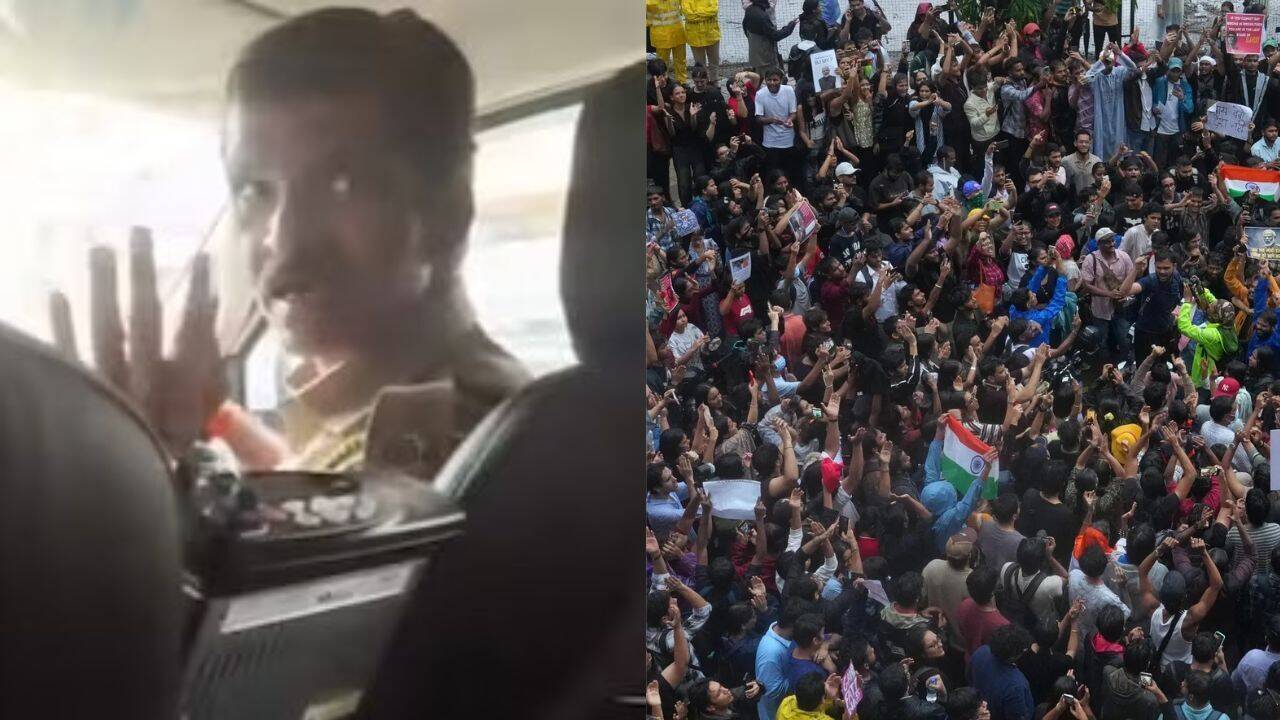
The CPI(M) has criticized the Chief Justice of India's remarks regarding a student assault case, while Delhi Police intensifies its investigation into the 'Sansad Chalo' protest. Meanwhile, solidarity protests led by the CJP continue to spread, prompting increased police surveillance in cities like Mumbai.
Tensions Escalate Over Student Protests and Judicial Conduct
Recent developments surrounding the 'Sansad Chalo' march organized by the CJP have sparked a multifaceted national discourse. The situation is defined by two parallel tracks: the escalating legal and investigative response from law enforcement in Delhi and Mumbai, and the political friction emerging from the judiciary's handling of related petitions. The Communist Party of India (Marxist) has emerged as a vocal critic, specifically targeting the Chief Justice of India (CJI) for observations made during a recent hearing concerning alleged police brutality against students.
The CPI(M) Critique of Judicial Observation
The CPI(M) Andhra Pradesh State Secretary, V. Srinivasa Rao, issued a formal statement expressing deep concern over reports that the Supreme Court declined to review video evidence of the alleged police action against students. By suggesting that the court lacked the time to examine such crucial materials, the CJI’s reported remarks have invited scrutiny regarding the perceived duty of constitutional offices. The CPI(M) argues that high-ranking officials must exercise restraint, implying that such dismissive observations may undermine public faith in the judicial process when dealing with allegations of state-sanctioned violence.
Investigative Depth of the 'Sansad Chalo' March
In response to the protests, the Delhi Police has launched an expansive investigation, registering 10 FIRs and deploying 20 specialized teams to dissect the organizational structure of the 'Sansad Chalo' march. The shift from treating the event as a spontaneous gathering to an 'organized' movement has led authorities to employ advanced digital forensic techniques. Investigators are currently scrutinizing encrypted communications on the Bitchat app, monitoring college-based WhatsApp groups, and leveraging facial recognition technology alongside CCTV footage to identify participants and organizers.
Digital Surveillance and Public Order
The reliance on mobile dump data, call detail records, and social media analysis reflects a broader trend in how Indian law enforcement manages civil unrest. By mapping the digital footprint of the protestors, the police aim to establish a chain of command or coordination. This technical approach to policing is not limited to the capital; in Mumbai, authorities have reportedly resorted to home visits and tracking WhatsApp location data to curb solidarity protests, signaling a highly proactive, intelligence-led effort to contain the agitation before it gains further momentum.
Political Clashes and Broader Implications
The volatility of the situation is further highlighted by the physical confrontation between political factions, notably the BJP protest at the Andhra Pradesh Congress Committee (APCC) office in Vijayawada. These clashes underscore the polarized political environment that the student protests have exacerbated. The demand for accountability from the CPI(M) regarding both the police conduct and the broader political violence indicates that this issue is likely to remain a flashpoint in national discourse for the foreseeable future.
Conclusion and Future Outlook
The intersection of student activism, aggressive digital surveillance, and judicial critique points to a complex period of civil-state relations. As the Delhi Police continues its deep-dive investigation into the digital communication of organizers, and as political parties like the CPI(M) continue to challenge the judicial response to these events, the situation remains fluid. Future trends likely include increased legal challenges regarding digital privacy, continued political posturing, and a heightened state of alert in urban centers where solidarity protests remain active.