Low pressure forms in Andaman Sea after Cyclone Arnab, may affect Andhra Pradesh
Source Entity
India Latest News: Top National Headlines Today & Breaking News | The Hindu
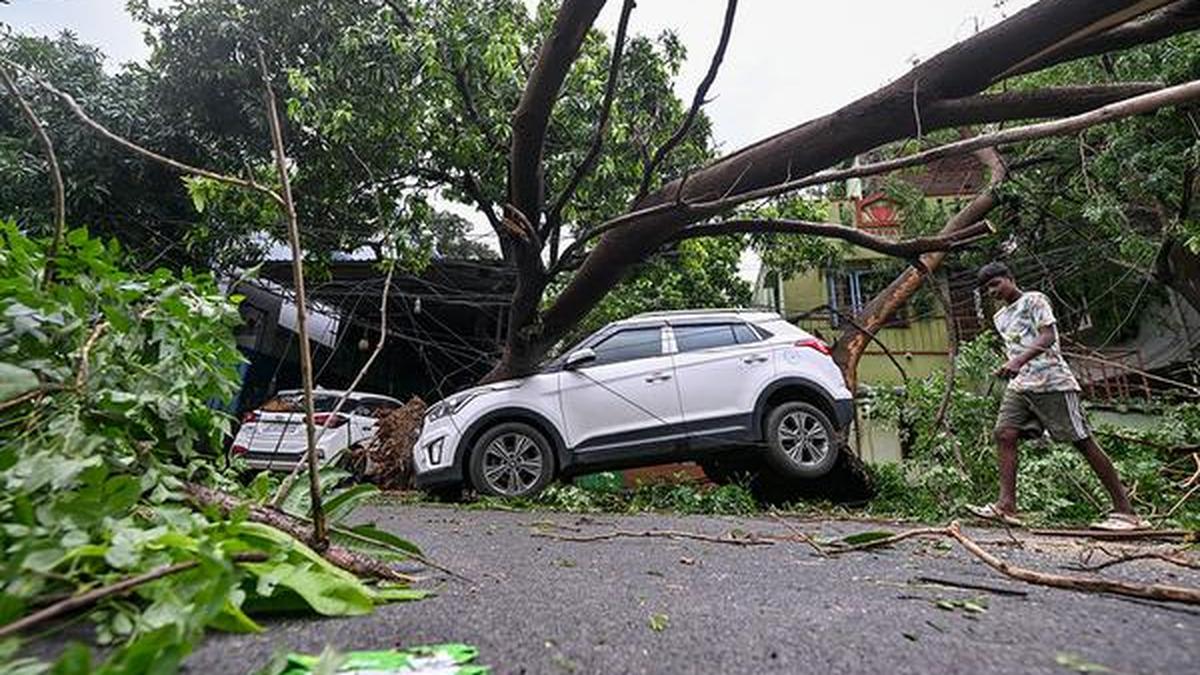
The India Meteorological Department reports a new low-pressure area in the Andaman Sea following the recent landfall of Cyclone Arnab. Authorities are monitoring its potential to intensify into a depression, threatening coastal regions of Andhra Pradesh and Odisha with further rainfall.
Meteorological Developments in the Bay of Bengal
The Bay of Bengal remains in a state of high alert as the India Meteorological Department (IMD) monitors a fresh low-pressure area that formed over the south Andaman Sea on October 29, 2026. This development comes immediately on the heels of the dissipation of Cyclone Arnab, which recently crossed the Andhra Pradesh coast. The rapid succession of these weather systems highlights the heightened cyclonic activity currently characterizing the post-monsoon season in the region.
The Aftermath of Cyclone Arnab
Cyclone Arnab, which caused significant concern as it approached the coast, has left behind a remnant depression currently situated over south Chhattisgarh and adjoining south Odisha. As of October 29, this system is moving northwards at a speed of 18 kmph. The residual energy from this storm continues to influence regional weather patterns, complicating the atmospheric environment as meteorologists track the new system emerging from the Andaman Sea.
Tracking the New Low-Pressure System
The newly formed low-pressure area, identified by the IMD’s Amaravati center, was detected at 5:30 a.m. on October 29. Meteorologists are closely observing its trajectory and intensity, with early projections suggesting it could intensify into a depression by October 31. This system is being fueled by an active cyclonic circulation, a standard precursor to more severe disturbances in this geographic corridor.
Historical Context and Regional Vulnerability
The coastal regions of Andhra Pradesh and Odisha are historically susceptible to cyclonic activity during this time of year. Recent warnings issued by the IMD underscore the necessity for vigilance, as the region has already faced weeks of heavy to extremely heavy rainfall. The cumulative impact of back-to-back weather systems poses significant risks to infrastructure, agriculture, and the safety of coastal populations who have only recently begun recovering from the initial impact of Cyclone Arnab.
Future Trends and Preparedness
As the IMD continues its tracking, the primary concern remains the potential for rapid intensification. Based on previous cycles, such as the one that led to the severe cyclonic storm earlier in the month, officials are maintaining strict sea warnings. Fishermen and maritime interests are urged to adhere to official guidance to mitigate risks. The interplay between the remnant depression over Chhattisgarh and the new Andaman system suggests a complex weather scenario that will require constant monitoring over the coming days to ensure public safety and disaster preparedness.
Multiple Citing Sources
Verification Required?