Massive Arab-Israeli Poll Turnout, Netanyahu's "End To Jewish State" Charge
Source Entity
NDTV News Search Records Found 1000
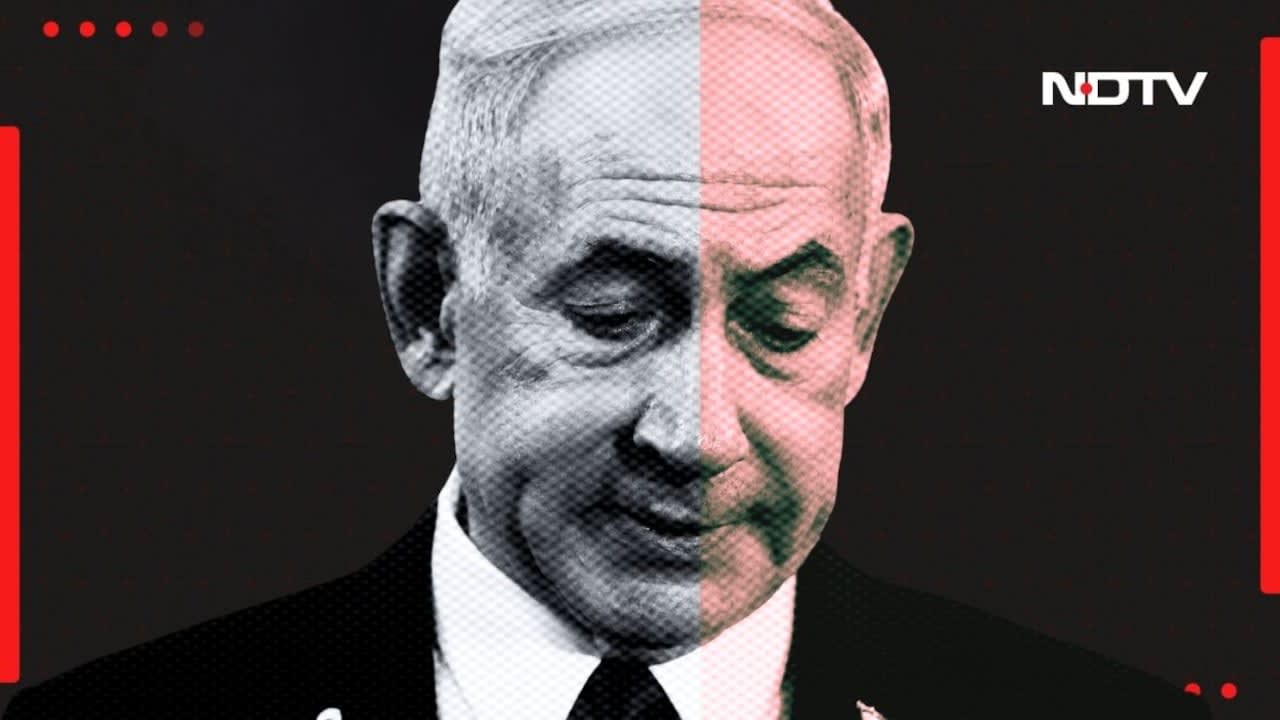
Israel faces a pivotal election on October 27, where Prime Minister Benjamin Netanyahu faces a stiff challenge from former army chief Gadi Eisenkot. The contest centers on national security, government accountability following the October 7 attacks, and the future of Israeli political leadership.
The Crossroads of Israeli Governance: The October 27 Election
Israel stands at a profound political crossroads as it heads to the polls on October 27. This election represents arguably the most critical juncture in the career of Prime Minister Benjamin Netanyahu, a leader who has defined the modern era of Israeli politics. The outcome will determine whether Netanyahu can sustain his long-standing dominance or if the nation will pivot toward a new chapter under opposition leadership.
The Security Paradigm and the October 7 Impact
Netanyahu’s political identity has been inextricably linked to his reputation as "Mr. Security." However, this narrative faced a seismic challenge following the unprecedented Hamas attack on October 7, 2023. The ensuing wars, including confrontations with Hezbollah in Lebanon, have forced a national reckoning regarding security failures and government accountability. Netanyahu has characterized the current electoral cycle as an "emergency" and a "matter of life or death" for the Israeli right, effectively utilizing his traditional playbook to frame himself as the sole guarantor of national safety amidst ongoing regional instability.
Gadi Eisenkot: The Rise of a Challenger
Emerging as a formidable rival is Gadi Eisenkot, the 66-year-old former chief of the Israeli army. Having served as chief of staff under Netanyahu from 2015 to 2019, Eisenkot brings a unique perspective to the race. His trajectory from single-digit polling a year ago to the current projections—where his Yashar party is positioned to potentially secure 20 to 23 seats—signals a significant shift in public sentiment. As a son of Moroccan immigrants, an Eisenkot victory would carry historic weight, potentially making him Israel’s first Mizrahi prime minister.
The Arithmetic of the Knesset
Despite the polling momentum favoring Eisenkot’s party over Netanyahu’s Likud, the path to power remains complex. The Israeli parliamentary system requires a 61-seat majority in the 120-seat Knesset to govern effectively. Current data suggests that neither the incumbent’s bloc nor the anti-Netanyahu coalition is currently on track to achieve this threshold. This impasse points toward a potential period of prolonged political instability or the necessity for complex coalition negotiations following the vote.
Implications for the Future
The rhetoric surrounding this election has been intense, with Netanyahu raising concerns about the "end of the Jewish state" should his opponents prevail. This high-stakes framing reflects the deep polarization within the electorate. The tension between the desire for continuity under Netanyahu’s security-focused platform and the demand for change represented by Eisenkot highlights a nation grappling with its identity, security doctrine, and institutional integrity in the wake of recent conflicts.
Conclusion
As October 27 approaches, the Israeli public is tasked with a decision that transcends mere party politics; it is a referendum on the nation's security architecture and its political future. Whether the electorate chooses to validate Netanyahu’s long-standing leadership or embrace the military pedigree and change proposed by Gadi Eisenkot, the results will undoubtedly shape Israel’s policy trajectory for years to come.
Multiple Citing Sources
Verification Required?