‘Delhi fortified against its own youth’: NCP (SP) criticises Jantar Mantar clampdown
Source Entity
The Indian Express
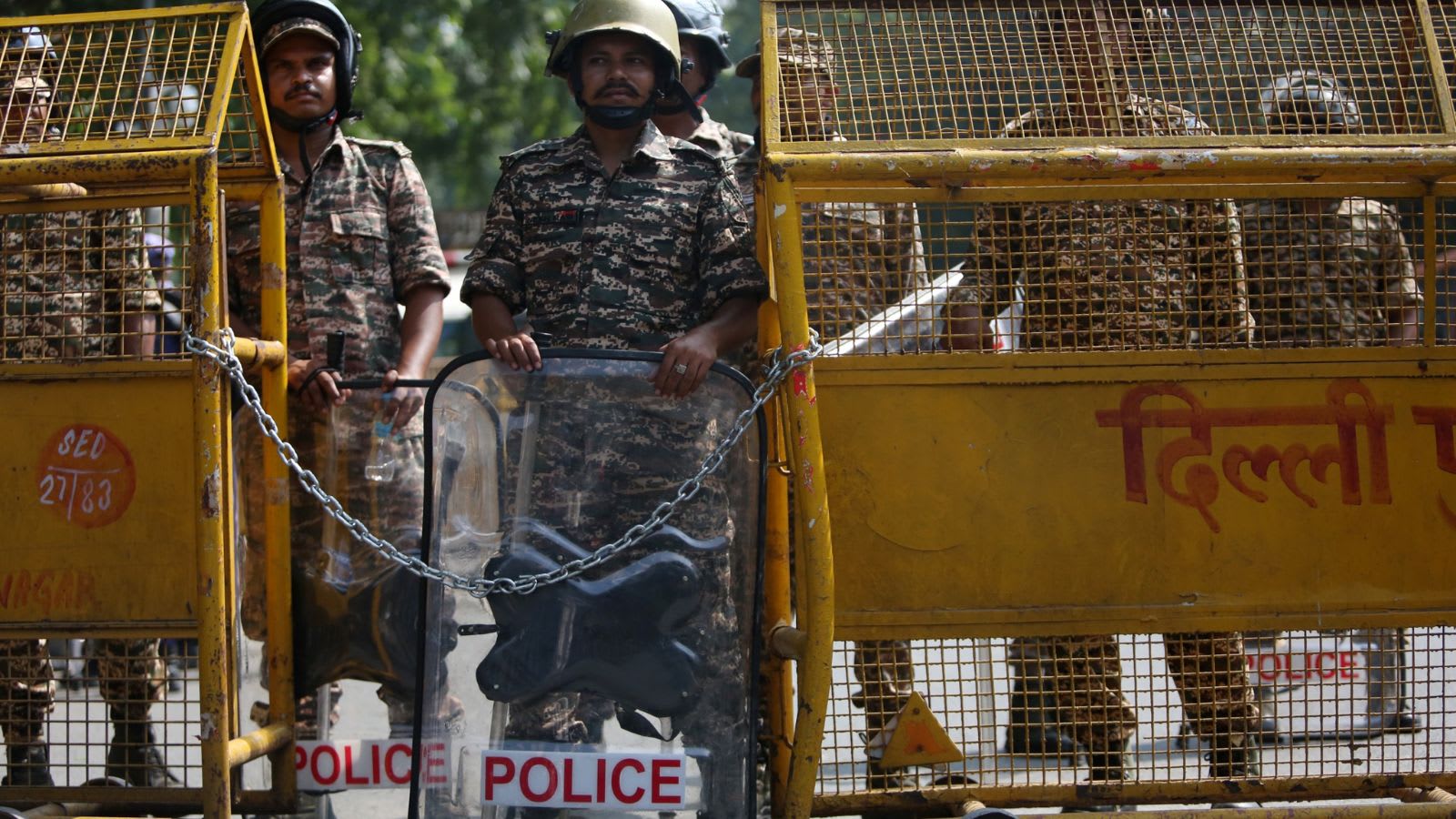
Authorities in Gautam Budh Nagar and Delhi have implemented strict security measures, including Section 163 of the BNSS and mass detentions, to preempt potential unrest during a planned protest by the Cockroach Janta Party. A 35,000-strong security force is being deployed to manage the situation and maintain public order.
Security Clampdown in Delhi and GB Nagar: An Overview
In anticipation of the protest scheduled for October 10, 2026, at Jantar Mantar, law enforcement agencies in both Delhi and the neighboring Gautam Budh Nagar district have initiated a massive, multi-layered security operation. The Cockroach Janta Party (CJP) has organized this demonstration amidst an ongoing row involving the Election Commission, specifically targeting the State Election Commissioner and CEC Gyanesh Kumar.
Preventive Measures and Legal Framework
The Gautam Budh Nagar police have issued a comprehensive order under Section 163 of the Bharatiya Nagarik Suraksha Sanhita (BNSS), 2023, which will remain effective until October 20. This mandate imposes 18 specific restrictions, most notably banning unauthorized public gatherings of five or more people on public roads or intersections without prior authorization. Furthermore, the order prohibits the storage of potentially dangerous materials, such as stones, bricks, or inflammable substances, in open spaces to mitigate the risk of violence.
Tactical Deployment and Preemptive Detentions
Delhi Police have launched an aggressive preventive strategy, deploying approximately 35,000 security personnel across the capital to maintain order. In overnight operations spanning 15 districts, authorities detained at least 100 individuals identified as having criminal records. These individuals were reportedly suspected of intending to join the CJP-led demonstration. These tactical detentions reflect the administration's proactive stance to neutralize potential agitators before they reach the protest site.
Logistical Disruptions and Public Safety
The scale of the security plan is expected to cause significant logistical challenges for residents and commuters. The Delhi Police has signaled that the security deployment will necessitate road blockades and restrictions on general movement throughout the city. Citizens have been warned that metro services may face interruptions and specific market areas might experience closures to ensure public safety. These measures underscore the high-stakes nature of the ongoing political friction.
Implications for Political Discourse
The refusal of permission for the Jantar Mantar protest, justified by the Delhi Police on the grounds of late-minute applications and failure to adhere to previously agreed-upon conditions, marks a significant point of contention. The current situation highlights a growing tension between the right to assemble and the state's responsibility to prevent civil disorder. As the capital remains under a security blanket, the coming days will serve as a litmus test for the effectiveness of these preventive strategies in maintaining stability during periods of intense political disagreement.
Future Trends and Conclusion
Looking ahead, the reliance on Section 163 and massive security deployments suggests a trend toward tighter administrative control over public demonstrations in the National Capital Region. The efficacy of these measures in averting violence will likely influence future protocols for managing large-scale political protests in the city. As the October 20 deadline for the current restrictions approaches, the authorities remain on high alert to ensure that the ongoing political row does not translate into widespread civil unrest.
Multiple Citing Sources