Trump turns to Russian diesel ahead of midterms, but analysts see little price relief
Source Entity
US Top News and Analysis
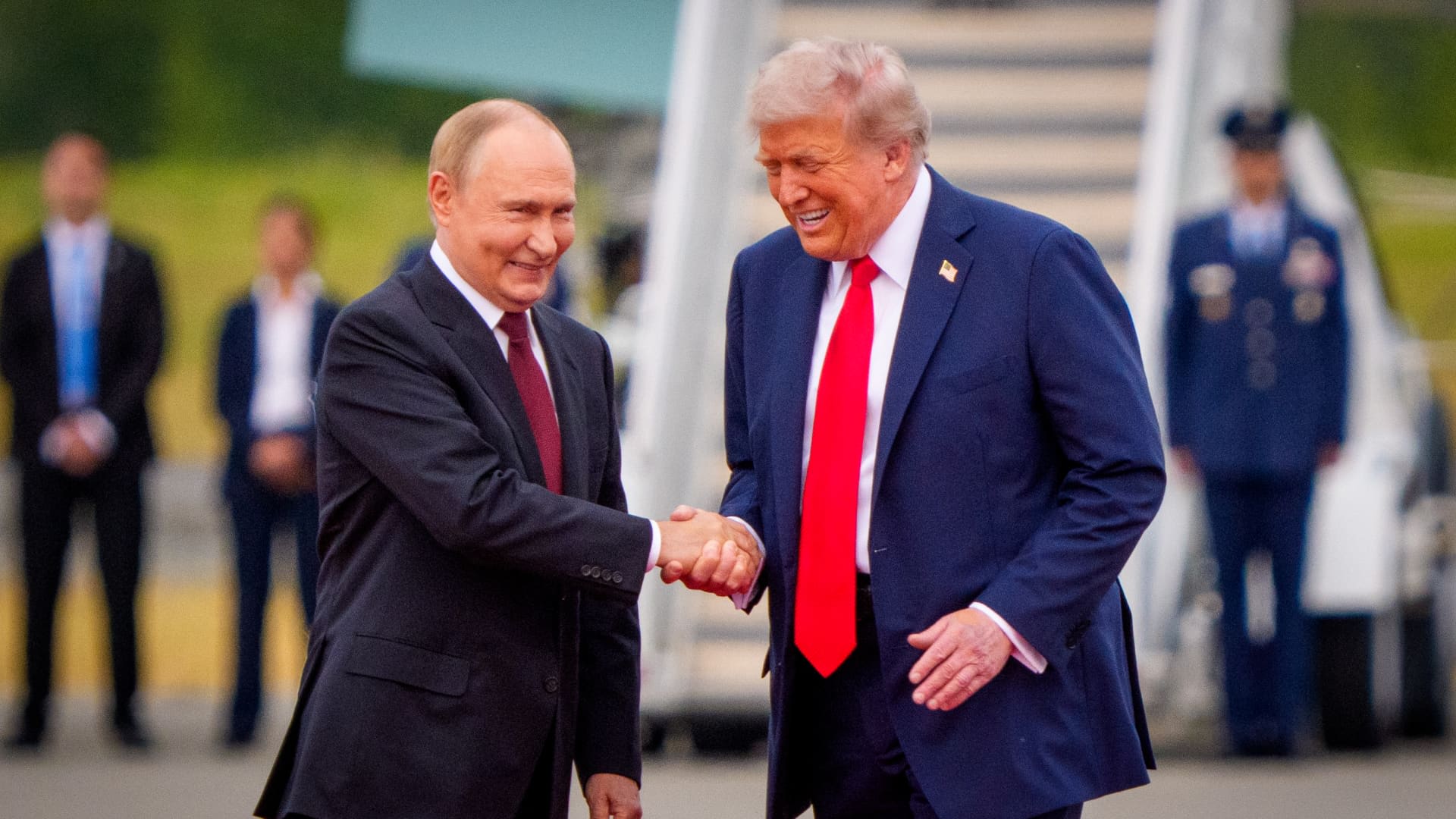
President Trump has initiated a controversial deal to import millions of tons of Russian diesel to address domestic supply shortages ahead of the midterms. The move, involving a partial lifting of sanctions, faces severe criticism for its geopolitical implications regarding the Russia-Ukraine conflict.
The Diesel Diplomacy: Trump's Pivot to Russian Energy
In a move that has sent shockwaves through global geopolitical circles, President Donald Trump has announced a significant energy agreement with Russia to import up to 4.8 million tons of diesel fuel. This decision, framed as a strategic effort to alleviate a domestic supply crunch before the upcoming midterm elections, involves an initial shipment of 300,000 metric tons, followed by subsequent deliveries totaling nearly 36 million barrels. To facilitate this, the U.S. Treasury has issued a temporary waiver, lifting specific sanctions on Russian exports through April 7.
Geopolitical Implications and the 'Energy Ceasefire'
The announcement of this diesel deal was accompanied by the President’s declaration of an "energy ceasefire" between Russia and Ukraine. This surprise maneuver has left international policymakers and the Ukrainian government in a state of uncertainty. While the administration views this as a pragmatic solution to domestic price pressures, the broader implications remain highly contentious. The fact that Russia continued to target energy infrastructure shortly after the announcement underscores the volatility of this diplomatic gamble.
Economic Reality vs. Political Aspirations
Despite the scale of the imports, energy market analysts have expressed deep skepticism regarding the potential for consumer relief. While the administration aims to stabilize fuel costs before voters head to the polls, the global nature of oil markets suggests that these volumes are unlikely to force a significant downward trend in prices. The reliance on Russian exports to solve a domestic supply issue highlights the fragile balance between energy independence and the immediate political necessity of curbing inflation.
The Erosion of Traditional Alliances
The deal has reignited domestic criticism regarding the administration's stance on the Russia-Ukraine conflict. Observers have noted the absence of voices like the late Senator Lindsey Graham, who historically advocated for a more confrontational approach toward the Kremlin. Critics argue that the decision to engage in such substantial trade with Russia effectively undermines Western efforts to isolate the Kremlin, characterizing the move as a strategic and moral pivot that prioritizes short-term domestic political gains over long-term foreign policy cohesion.
Future Trends and Strategic Risks
Looking ahead, this reliance on Russian energy sets a complex precedent for U.S. foreign policy. By creating a mechanism to bypass sanctions for fuel, the administration has introduced a new variable into the enforcement of international economic pressure. Future trends will likely see increased scrutiny on how these temporary sanctions waivers impact the broader effectiveness of the U.S. economic strategy toward the Kremlin. As the midterm elections approach, the success of this policy will be measured not only by fuel prices at the pump but by the diplomatic fallout with European allies and the evolving security situation in Eastern Europe.