Delhi Metro starts 20 extra weekday trips as Grap Stage-I kicks in
Source Entity
Latest News: Todays Latest News Headlines from India & World | Hindustan Times | Hindustan Times
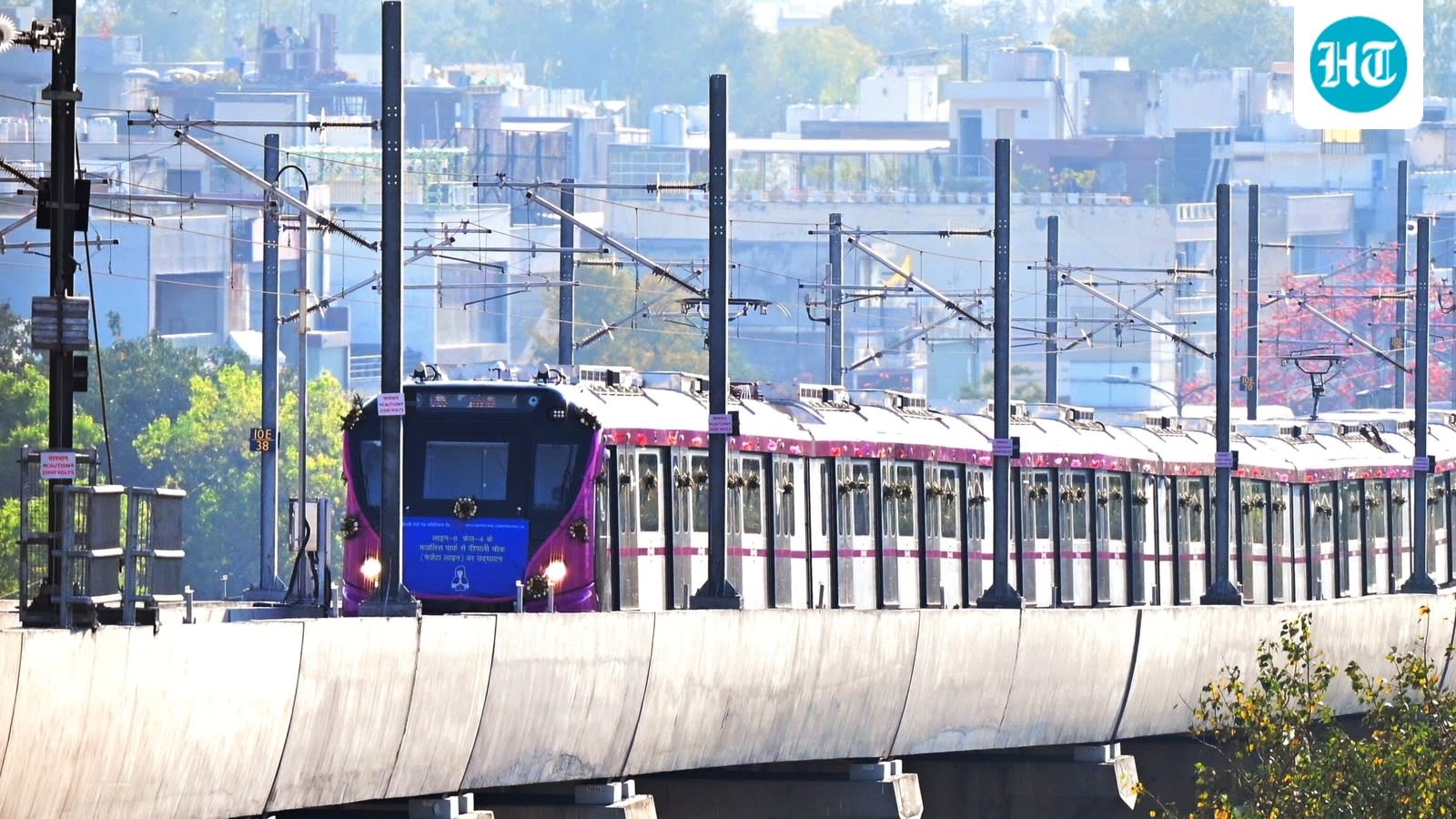
Delhi-NCR has activated Stage I of the Graded Response Action Plan (GRAP) to combat deteriorating air quality as the AQI enters the 'poor' category. The Delhi Metro is supporting these efforts by adding 20 daily train trips to encourage public transport use and intensifying dust-control measures.
Delhi-NCR Tackles Pollution with GRAP Stage I
As winter approaches, the Delhi-NCR region is once again grappling with the seasonal decline in air quality. With the Air Quality Index (AQI) recently surging into the 'poor' category—recorded at 225 following a post-Dussehra spike—authorities have officially invoked Stage I of the Graded Response Action Plan (GRAP). This emergency response mechanism serves as a pre-emptive strike against the hazardous smog that historically plagues the national capital during the colder months.
Strategic Response by the Delhi Metro
In a proactive move to mitigate vehicular emissions, the Delhi Metro Rail Corporation (DMRC) has announced the commencement of 20 additional train trips on weekdays starting October 22. By increasing the frequency of services, the DMRC aims to incentivize commuters to abandon private vehicles in favor of public transit. This shift is critical, as private transport remains a significant contributor to the city's particulate matter levels, particularly during peak traffic hours.
Strengthening Dust-Control Measures
Beyond transit optimization, the DMRC is taking direct responsibility for its construction footprint. The corporation has committed to intensifying anti-pollution drives at all ongoing construction sites and surrounding roads under its jurisdiction. These measures include rigorous dust-control protocols, which are essential given that re-suspended dust from construction and road infrastructure is a major driver of Delhi's particulate pollution during dry, winter weather.
Understanding the GRAP Framework
The GRAP is a tiered response system designed to address different levels of pollution. Stage I is triggered when the AQI falls between 201 and 300, classified as 'poor.' As the situation worsens, the plan scales through 'Very Poor' (301-400), 'Severe' (401-450), and 'Severe Plus' (above 450). The activation of Stage I initiates a suite of restrictions, including bans on coal-fired tandoors in eateries and limitations on the use of diesel generators, alongside upcoming vehicle curbs and adjustments to parking fees scheduled for November.
The Challenge of Monitoring and Compliance
Local monitoring stations have already begun to reflect the gravity of the situation, with specific areas like Jahangirpuri and Vivek Vihar recording 'very poor' air quality indices exceeding 300. The granular data provided by these stations is vital for the Commission for Air Quality Management (CAQM) to decide when to escalate restrictions. Future trends suggest that as winter temperatures drop and wind speeds decrease, the region will need to maintain strict adherence to these protocols to prevent a transition into the more restrictive Stage II and III categories.
Conclusion
The implementation of GRAP Stage I, coupled with the DMRC's expanded services, represents a synchronized effort to manage the environmental health of Delhi-NCR. While public transport improvements and construction site regulations are necessary initial steps, the effectiveness of these policies will depend on sustained enforcement and public cooperation as the winter season progresses.
Multiple Citing Sources
Verification Required?