How Turkey, Pak And Saudi Will Workout The Mecca Joint Defence Agreement
Source Entity
NDTV News Search Records Found 1000
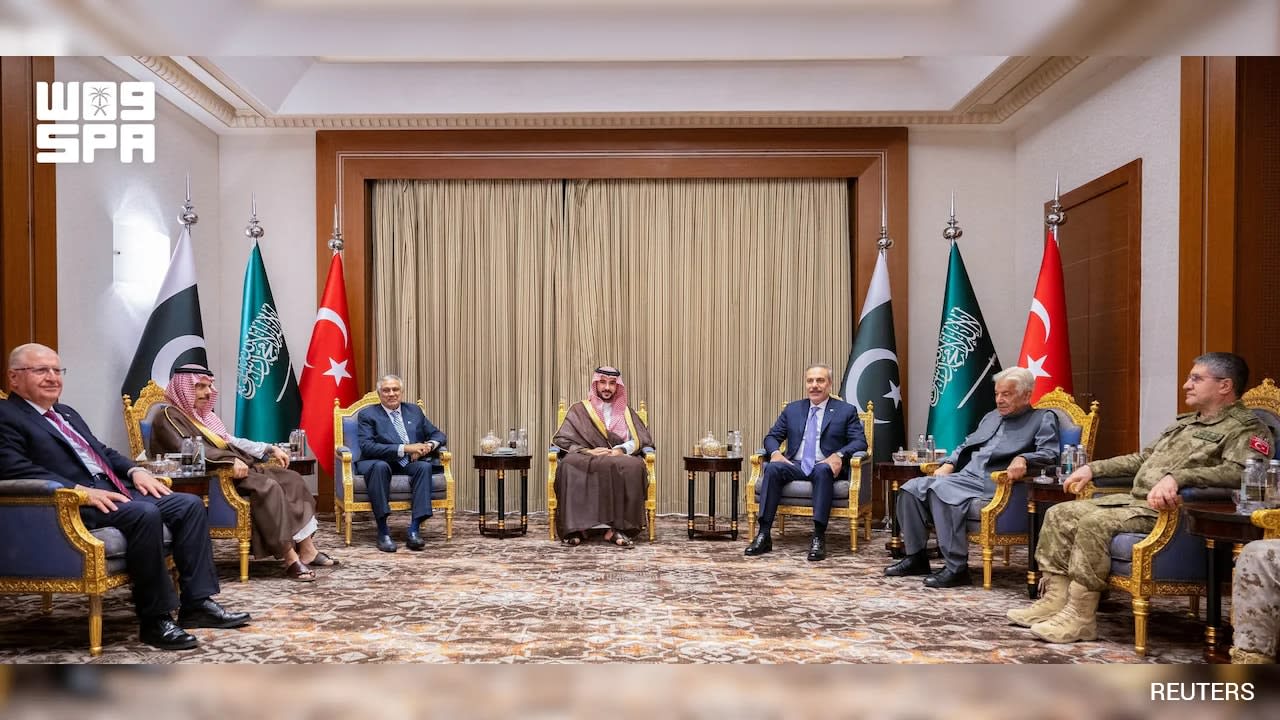
The Mecca Agreement signals a strategic deepening of military cooperation between Pakistan and Saudi Arabia. This pact reinforces long-standing defense ties, potentially reshaping regional security dynamics involving Turkey as well.
The Strategic Evolution of the Mecca Agreement
The emergence of the 'Mecca Agreement' marks a significant pivot in the geopolitical architecture of the Middle East and South Asia. By formalizing a joint defense understanding between Turkey, Pakistan, and Saudi Arabia, the parties are signaling a move toward a more integrated security framework. For Pakistan, this agreement serves as a logical extension of decades of military cooperation with Riyadh, institutionalizing ties that have historically relied on informal bilateral arrangements.
Historical Foundations of the Pakistan-Saudi Security Axis
Historically, the relationship between Islamabad and Riyadh has been defined by a 'brotherly' military bond. Pakistan has frequently provided training, logistical support, and personnel to the Saudi armed forces, while Saudi Arabia has acted as a critical economic benefactor during Pakistan’s periods of fiscal instability. The Mecca Agreement elevates this relationship from a reactive, transactional model to a proactive, structured defense partnership, suggesting a long-term commitment to shared regional interests.
The Role of Turkey in the Tripartite Framework
Turkey’s inclusion in this defense alignment adds a layer of complexity to the regional balance of power. Ankara has sought to expand its influence across the Islamic world through diplomatic and military soft power, often positioning itself as an alternative security partner to Western powers. By bridging the gap between Pakistan’s military capabilities and Saudi Arabia’s strategic objectives, Turkey is positioning itself as a central node in a new regional security nexus.
Regional Security Implications
This tripartite agreement is likely to cause ripples across the broader Middle Eastern security landscape. As these nations align their defense protocols, they are effectively creating a counter-weight to other regional power blocs. This development suggests that the participants are prioritizing regional autonomy, moving away from reliance on extra-regional powers to manage local security threats, and instead favoring a 'neighborhood-first' approach to collective defense.
Future Trends and Strategic Outlook
Looking ahead, the success of the Mecca Agreement will depend on the interoperability of the respective militaries and the political willpower of the leadership in Ankara, Islamabad, and Riyadh. We can expect to see an increase in joint military exercises, shared intelligence gathering, and potentially a standardized procurement policy. As these nations continue to align their strategic interests, the Mecca Agreement may well define the security trajectory of the region for the coming decade, marking a departure from traditional Cold War-era alliances.
Verification Required?