Kuwait-flagged tanker with 21 Indian seafarers hit near Strait of Hormuz, crew safe
Source Entity
The Indian Express
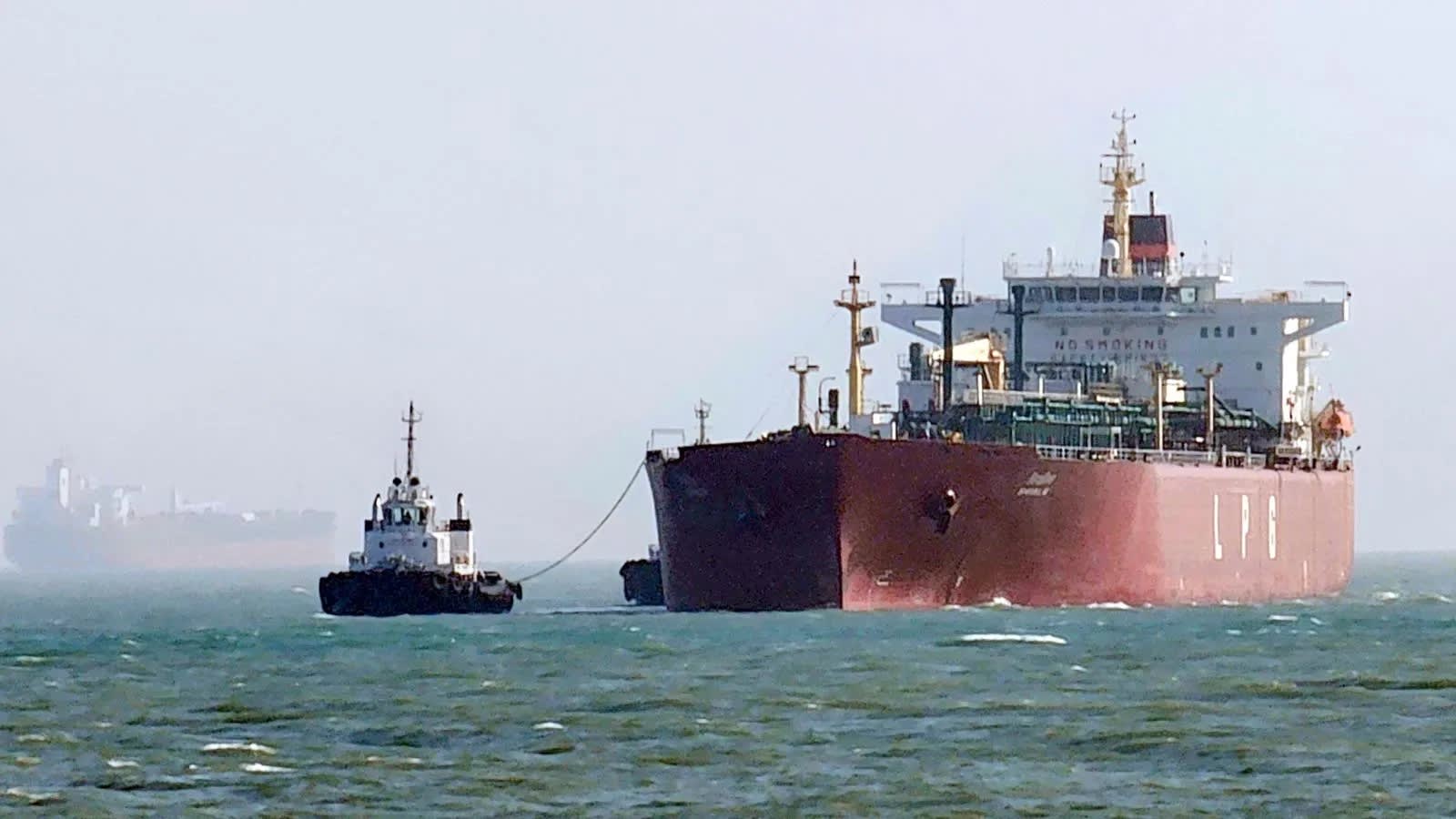
A Kuwait-flagged tanker, M/T Al Dasma, was struck by an unknown projectile in the Strait of Hormuz on October 21. All 21 Indian crew members are safe, and the Indian government is monitoring the situation closely.
Maritime Security Incident in the Strait of Hormuz
On October 21, the maritime industry faced a significant security incident when the Kuwait-flagged oil product tanker, M/T Al Dasma, was struck by an unidentified projectile while transiting the Strait of Hormuz. This critical waterway serves as one of the world's most vital maritime chokepoints, through which a substantial portion of global oil supplies must pass. The incident has drawn immediate attention from Indian authorities, given that the vessel was carrying 21 Indian seafarers.
Safety and Immediate Response
Following the strike, Union Minister of Ports, Shipping and Waterways, Sarbananda Sonowal, confirmed that all 21 Indian crew members aboard the M/T Al Dasma are safe. The rapid confirmation of crew safety is a priority for the Indian government, which maintains robust diplomatic and logistical channels with ship management companies to ensure the wellbeing of its citizens working in high-risk maritime zones. The ministry continues to monitor the situation to ensure no further threats are posed to the vessel or its personnel.
Strategic Significance of the Strait
The Strait of Hormuz is a narrow passage connecting the Persian Gulf with the Gulf of Oman and the Arabian Sea. Due to its strategic importance, it has historically been a flashpoint for geopolitical tensions. When commercial vessels are targeted by projectiles in this region, it signals an escalation in risks for global energy markets and maritime commerce. The incident involving the M/T Al Dasma underscores the vulnerability of merchant shipping to asymmetrical threats in international waters.
Broader Geopolitical Implications
This event occurs against a backdrop of ongoing tensions in the Middle East, which have historically manifested in the form of maritime harassment or direct attacks on shipping assets. The recurring nature of such incidents forces shipping companies to reassess insurance premiums, security protocols, and transit routes. For India, which relies heavily on the safety of its mariners and the stability of energy supply chains, these incidents necessitate a proactive diplomatic stance advocating for freedom of navigation and the protection of civilian seafarers.
Future Trends in Maritime Safety
Looking ahead, the international community is likely to see intensified calls for increased naval patrols and enhanced surveillance technology in the Strait of Hormuz. As unidentified projectiles pose a persistent challenge to conventional defensive measures, ship operators may increasingly adopt hardened security measures and real-time threat detection systems. The safety of Indian seafarers remains a paramount concern for the Indian government, which will likely continue to reiterate its call for safe maritime passage through these volatile waters to ensure the continuity of global trade and the protection of its workforce.
Multiple Citing Sources