A day of gridlock across Delhi-NCR, as Old RTR flyover undergoes repair
Source Entity
Nirbhay Thakur, Abhimanyu Hazarika, Sakshi Chand
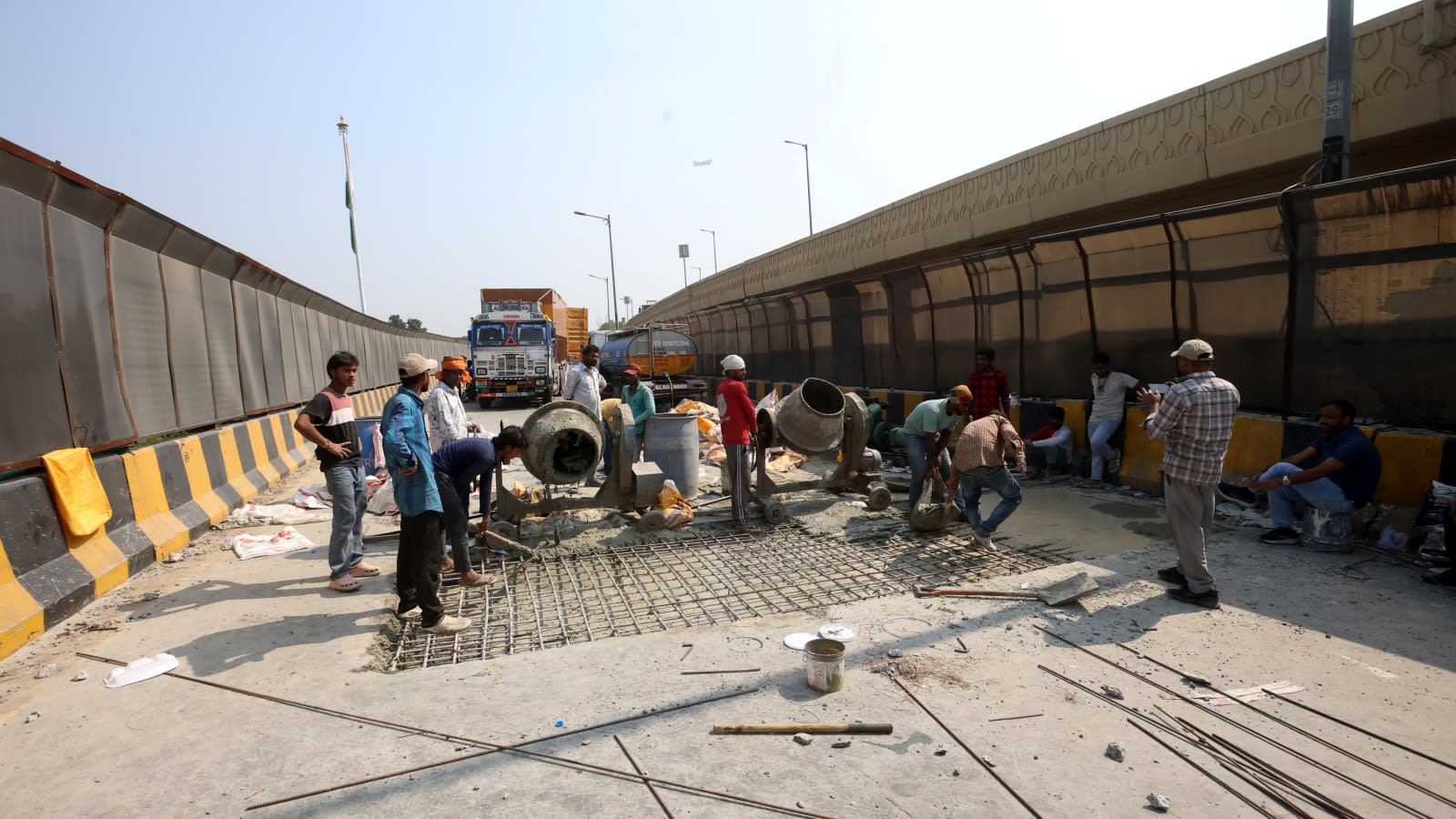
Repair work on the Old Rao Tula Ram (RTR) flyover has triggered severe gridlock across Delhi-NCR. Commuters are facing significant delays, with traffic effectively stalled across key arterial stretches.
The Gridlock Crisis: Analyzing the RTR Flyover Disruptions
A City at a Standstill
Recent reports from Delhi-NCR highlight a massive traffic collapse centered around the Old Rao Tula Ram (RTR) flyover, where ongoing repair work has paralyzed movement for thousands of commuters. As of 1 pm, navigation systems like Google Maps were projecting a 35-minute transit time from the Sadar Bazar Cantonment Metro station to the flyover—a projection that failed to improve even after 25 minutes of waiting, signaling a near-total cessation of vehicular flow.
The Human Impact of Urban Congestion
For daily wage earners and professionals alike, the gridlock represents more than just a minor inconvenience. The frustration voiced by local commuters, such as autorickshaw driver Nagender, underscores the economic and psychological toll of such infrastructure maintenance. When a vehicle is trapped for 25 minutes only to cover a fraction of its journey, the inefficiency ripple effect impacts the entire city's productivity, particularly for those relying on time-sensitive transit in the NCR region.
Structural Vulnerabilities in Delhi's Arteries
The situation at the RTR flyover is symptomatic of the broader challenges facing Delhi's aging infrastructure. The accumulation of traffic at Arjun Path and surrounding points suggests that the closure of a single key node creates a cascading failure across the local road network. With traffic halted for as long as 20 minutes at five distinct points along a 6-km stretch, it is evident that the current maintenance strategy lacks the mitigation infrastructure necessary to handle high-volume urban displacement.
Historical Context and Infrastructure Management
Delhi’s road network has long struggled with the paradox of growth; as the city expands, the reliance on legacy flyovers that were not designed for modern traffic volumes becomes a critical bottleneck. The RTR corridor has historically been a point of contention for urban planners, often requiring sophisticated traffic management plans that appear to be failing during the current repair cycle. The inability of traffic to clear even during off-peak hours indicates that existing diversions are insufficient for the sheer volume of vehicles.
Future Trends and Urban Planning
Moving forward, this incident serves as a stark reminder of the necessity for better-integrated traffic management systems. Predictive analytics and real-time smart signaling must replace the reactive measures currently in place if the NCR is to avoid repeated gridlock scenarios. Without a shift toward more robust structural maintenance protocols that account for massive arterial closures, the region will likely continue to experience these paralyzing events, further straining the already overburdened public transit and road infrastructure.