Delhi: Security Personnel Detain Protesters Near Bangla Sahib Ahead of CJP Protest
Source Entity
Latest News: Todays Latest News Headlines from India & World | Hindustan Times | Hindustan Times
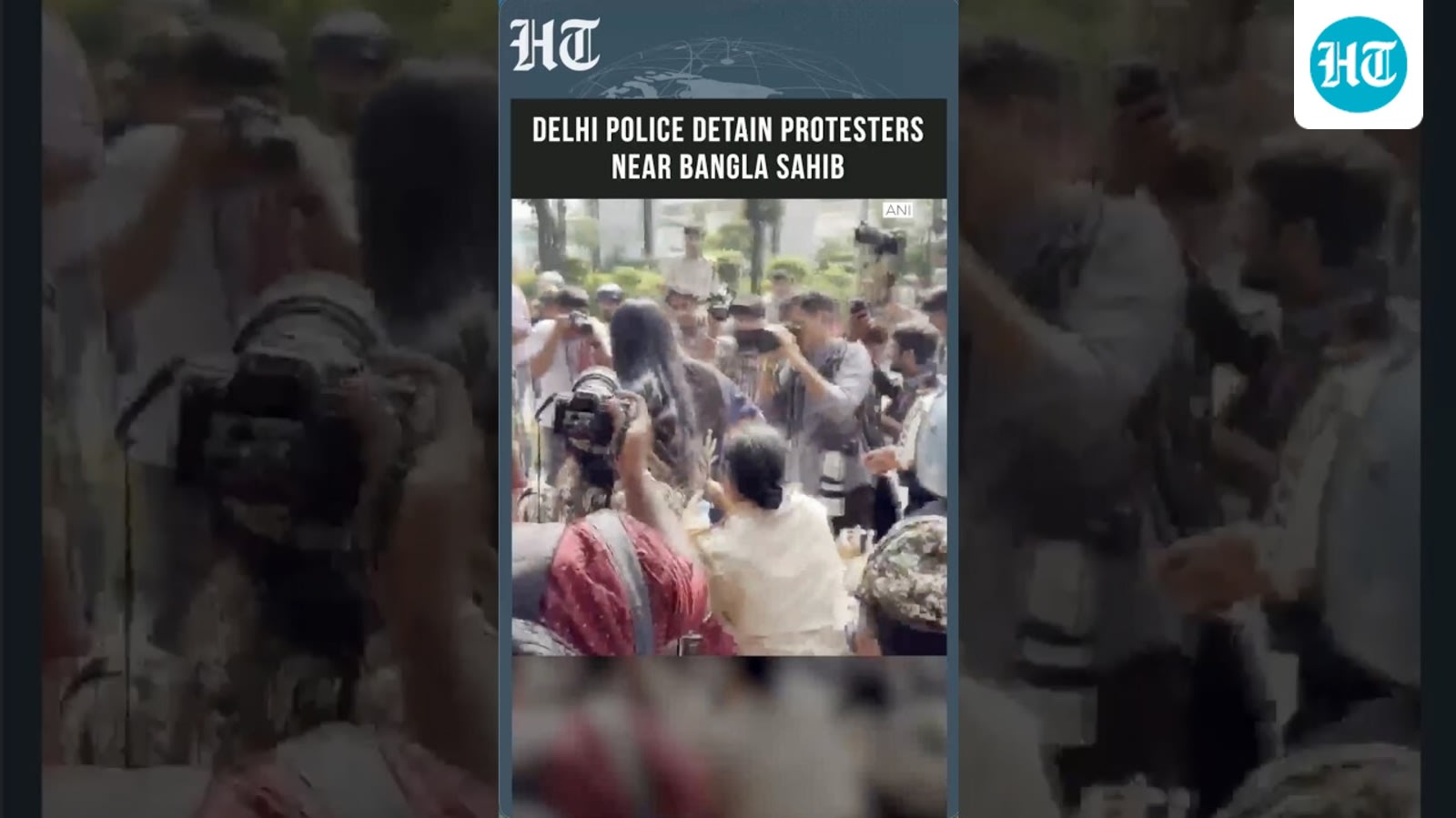
Gautam Budh Nagar and Delhi police have implemented strict security measures, including Section 163 and mass detentions, to manage the Cockroach Janta Party's protest at Jantar Mantar. Authorities have deployed 35,000 personnel and restricted public gatherings to prevent potential unrest.
Security Clampdown in the National Capital Region
The security apparatus in the National Capital Region (NCR) has been placed on high alert following the announcement of a protest by the Cockroach Janta Party (CJP) at Jantar Mantar. In response to the planned demonstration, the Gautam Budh Nagar police have invoked Section 163 of the Bharatiya Nagarik Suraksha Sanhita (BNSS), 2023, effectively imposing a range of restrictions that will remain in force until October 20. These measures are designed to mitigate the risk of civil unrest and ensure public safety during a period of heightened political tension.
Strategic Restrictions and Public Order
The order issued by the Gautam Budh Nagar police is comprehensive, encompassing 18 distinct restrictions. Central to these is the prohibition of unauthorized protests, public gatherings, and processions, specifically targeting groups of five or more people in public spaces. Furthermore, the authorities have explicitly banned the storage of materials that could be weaponized, such as bricks, stones, and flammable items, and have forbidden the burning of effigies. This proactive stance reflects a strategic effort to prevent the escalation of protests into violent activities.
Delhi Police’s Massive Deployment
Simultaneously, the Delhi Police have mobilized a massive security force of approximately 35,000 personnel to maintain order across the capital. This deployment is part of a complex security plan that includes the establishment of road blockades, controlled movement, and potential disruptions to metro services and market operations. The scale of the deployment underscores the gravity with which the authorities view the upcoming protest, especially given the ongoing controversy surrounding the Election Commission and Election Commissioner Gyanesh Kumar.
Preventive Measures and Targeted Detentions
As a direct preventive measure, Delhi Police conducted overnight operations across 15 districts, resulting in the detention of at least 100 individuals with prior criminal records. Sources indicate that these individuals were suspected of intending to join the CJP-led demonstration. The police have maintained a firm stance on the protest, having formally denied permission for the Jantar Mantar gathering, citing the late submission of the request and non-compliance with conditions established during previous demonstrations.
Broader Implications and Future Trends
The current situation highlights the evolving friction between political dissent and administrative control in the capital. By utilizing preventive detention and strict regulatory frameworks like the BNSS, law enforcement is attempting to balance the right to protest with the duty to maintain public order. As these restrictions continue through October 20, the impact on daily life in Delhi and Noida remains significant. Future trends suggest that authorities will likely continue to rely on early intelligence and preemptive administrative orders to manage high-stakes political demonstrations, potentially setting a precedent for how large-scale protests are handled in the future.
Multiple Citing Sources
Verification Required?