Big victory for students, youth: Rahul on MPSC protest
Source Entity
India Latest News: Top National Headlines Today & Breaking News | The Hindu
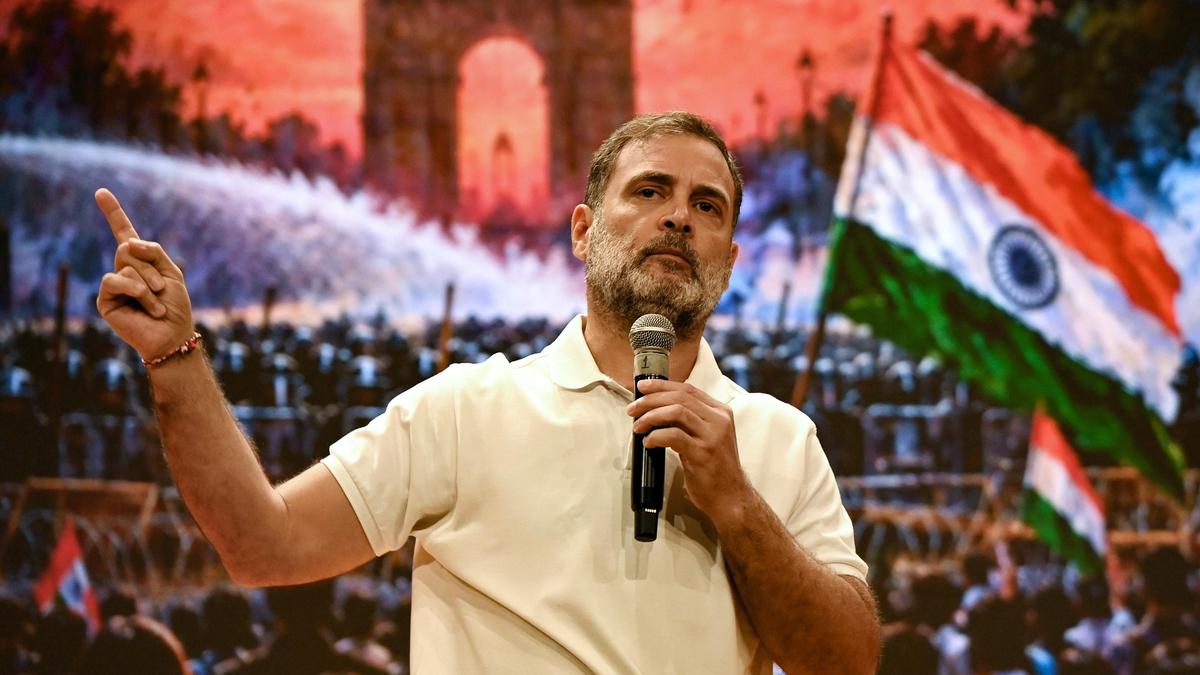
MPSC aspirants in Pune have ended their 10-day protest following the government's decision to form an inquiry committee led by IAS officer Tukaram Mundhe. MPSC Chairman Vivek Bhimanwar has proceeded on leave pending the investigation into alleged recruitment irregularities.
A Watershed Moment for MPSC Aspirants
The recent conclusion of the 10-day agitation by Maharashtra Public Service Commission (MPSC) aspirants marks a significant turning point in the ongoing discourse regarding administrative transparency and recruitment integrity. After sustained pressure at the S M Joshi Bridge in Pune, students successfully compelled the state government to address systemic concerns surrounding alleged paper leaks and procedural irregularities within the commission.
The Catalyst for Change: Institutional Accountability
The primary driver of this resolution was the government's agreement to form a dedicated inquiry committee to probe the recruitment body. The appointment of senior IAS officer Tukaram Mundhe as the secretary of this committee acts as a crucial confidence-building measure. Mundhe, known for his administrative rigor, provides the oversight necessary to satisfy the protesters' demands for a transparent and unbiased investigation into the integrity of the MPSC examination process.
Leadership Response and Administrative Shifts
Following the formation of the committee, MPSC Chairman Vivek Bhimanwar announced his decision to proceed on leave until the inquiry reaches its conclusion. This move is widely interpreted as a necessary step to ensure that the investigation remains free from potential conflicts of interest. By stepping aside, the leadership has allowed the administrative machinery to pivot toward a comprehensive audit of the recruitment body's past actions and current protocols.
Political Implications and the Power of 'Satyagraha'
Congress leader Rahul Gandhi has framed this outcome as a landmark victory for the youth and the efficacy of 'Satyagraha'—the principle of non-violent resistance. By framing the students' success within this historical context, the narrative emphasizes the power of collective civic action in holding state institutions accountable. The political endorsement highlights how student-led movements can rapidly elevate local administrative grievances to the forefront of state-level political discourse.
Broader Implications for Recruitment Integrity
This event underscores a growing trend of intense scrutiny regarding competitive examinations in India. The MPSC protests are part of a larger national conversation where candidates are increasingly demanding accountability for paper leaks and delays in recruitment. The successful negotiation in Pune may serve as a template for other states, demonstrating that government responsiveness to organized student pressure is essential for maintaining trust in public service recruitment systems.
Future Outlook and Sustained Oversight
The conclusion of the 10-day protest is only the first phase of a longer process. With an investigation committee now in place, the focus shifts to the findings of the inquiry and the subsequent reforms that will be implemented. The students' victory is contingent upon the follow-through of the government; the future stability of the MPSC will depend on whether this committee can identify systemic flaws and implement structural changes that prevent future irregularities.
Verification Required?