Jantar Mantar No Longer A Protest Venue, Delhi Gets 3 New Designated Sites
Source Entity
NDTV News Search Records Found 1000
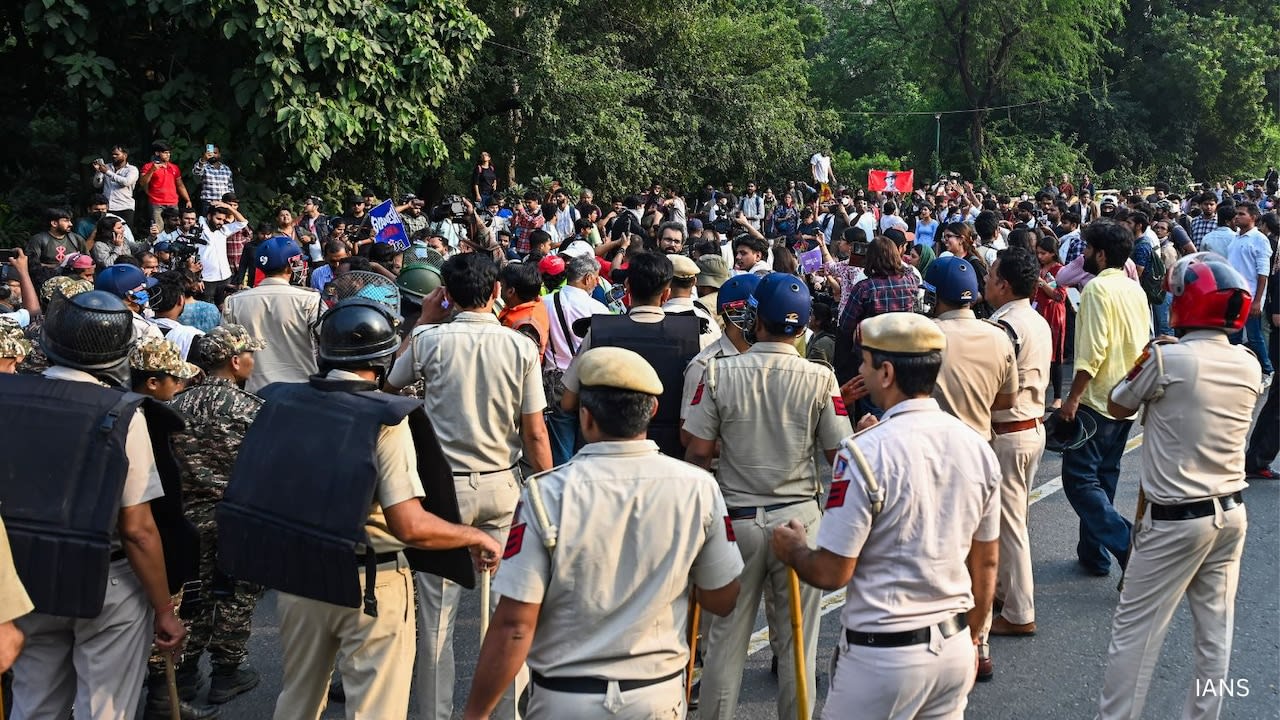
The Delhi Police have officially denotified Jantar Mantar as a protest site, relocating demonstrations to Ramlila Maidan, Burari, and Shahdara. The move faces legal challenges in the Delhi High Court, with petitioners questioning the accessibility and democratic impact of these distant alternatives.
The Shift in Delhi’s Protest Landscape
The landscape of civil discourse in India's capital has undergone a significant transformation following the Delhi Police’s decision to denotify Jantar Mantar as a designated protest site. Historically recognized as the epicenter for public demonstrations, Jantar Mantar served as a vital, accessible venue located merely 2 kilometers from Parliament. By removing this site from the list of authorized protest locations, authorities have effectively dismantled a long-standing tradition of proximity between the governed and the government.
Analyzing the New Designated Sites
The new venues designated by Commissioner of Police Anurag Kumar—Ramlila Maidan, the Burari ground, and the CBD ground in Shahdara—represent a marked shift toward decentralization. While Ramlila Maidan is situated approximately 6 kilometers from Parliament, the other two sites are significantly further removed from the national capital’s administrative nerve center. This spatial distancing raises critical questions regarding the visibility and impact of protests, as these locations are geographically isolated from the institutions they seek to influence.
The Legal Battle in the High Court
Predictably, the decision has invited immediate judicial scrutiny. The Delhi High Court has agreed to hear a petition challenging the closure of Jantar Mantar. The legal challenge centers on the government’s failure to provide adequate, accessible alternatives for public assembly. While the court denied an urgent same-day hearing requested by the National Students’ Union of India (NSUI), the scheduling of the matter highlights the gravity of the constitutional questions regarding the right to protest in public spaces.
Broader Implications for Democracy
The context surrounding these closures is intensified by ongoing political tensions, including demonstrations demanding the resignation of Chief Election Commissioner Gyanesh Kumar. The NSUI’s petition also touches upon broader concerns regarding public safety, specifically citing alleged assaults by anti-social elements during recent demonstrations. This dual narrative—balancing public order and security against the fundamental right to peaceful assembly—forms the crux of the current debate.
Future Trends and Conclusion
As the judiciary evaluates the validity of these new restrictions, the future of dissent in Delhi remains uncertain. If the courts uphold the move, it may set a precedent for the systematic relocation of protest activity to the city's periphery, potentially diluting the efficacy of public campaigns. Conversely, a favorable ruling for the petitioners could reaffirm the necessity of central, visible spaces for the exercise of democratic rights. Ultimately, this event serves as a defining moment for the balance between administrative convenience and the democratic necessity of public visibility in the capital.
Multiple Citing Sources
Verification Required?