Delhi Police grants Congress rally at Ramlila Maidan with strict conditions, denies mock impeachment request
Source Entity
India Latest News: Top National Headlines Today & Breaking News | The Hindu
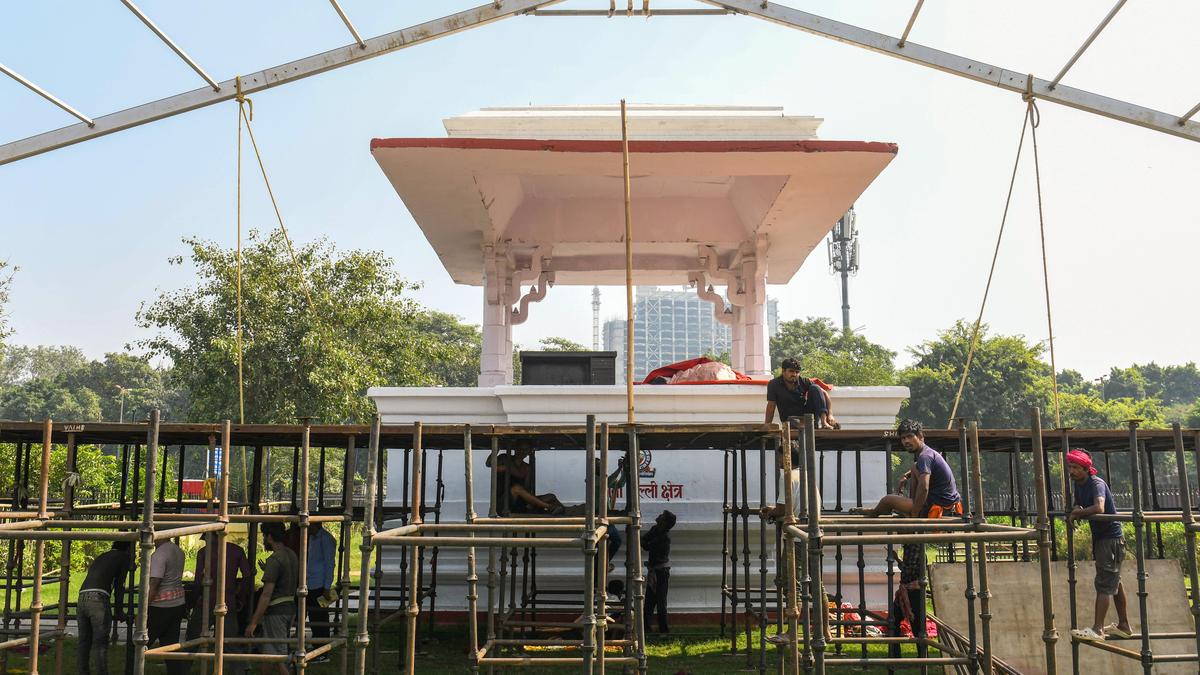
Delhi Police has granted permission for a Congress rally at Ramlila Maidan on November 1 with strict security conditions. Meanwhile, the VHP and trader associations are protesting the timing, citing potential economic disruption during the peak Diwali shopping season.
Tensions Escalate Over Delhi Congress Rally
The political atmosphere in the national capital has intensified following the Delhi Police’s decision to grant permission for a Congress rally scheduled for November 1 at the historic Ramlila Maidan. While the police have cleared the event, they have imposed stringent conditions, including mandatory CCTV surveillance and a strict prohibition on marches outside the designated venue. This decision follows significant public discourse regarding the timing of the rally, which coincides with the height of the festive season in India.
Clarifying the 'Mock Impeachment' Controversy
A critical point of recent confusion involved reports of a proposed "mock impeachment" of Chief Election Commissioner Gyanesh Kumar. Addressing this, Deputy Commissioner of Police (Central) Rohit Rajbir Singh explicitly stated that the authorities have received no formal request for such an event. By clarifying that the only approved engagement is the political rally, the Delhi Police have sought to compartmentalize the administrative approval process, effectively dismissing rumors that a specific request for an impeachment-style protest was denied.
Economic Concerns and the Traders' Perspective
The Chamber of Trade and Industry (CTI) has emerged as a primary voice of opposition regarding the rally's timing. Representing the interests of 21 major wholesale and retail markets, the CTI has warned that a large-scale political gathering—potentially involving up to 10 lakh people and 20,000 vehicles—could paralyze commercial activity. The trade body estimates a potential economic impact of Rs 10,000 crore, arguing that the disruption would be catastrophic for small and medium-sized business owners during their most profitable time of the year.
Religious and Cultural Sensitivities
The controversy has also taken a communal and cultural turn, with the Vishwa Hindu Parishad (VHP) accusing the Congress party of intentionally targeting Hindu festivals. VHP national spokesperson Vinod Bansal emphasized that the rally date falls during the period of Ahoi Ashtami, a significant day for mothers observing fasts. The VHP’s critique suggests that the refusal to defer the rally, despite appeals from traders, indicates a disregard for cultural sentiments, further polarizing the political narrative surrounding the event.
The Broader Political Implications
This standoff reflects a recurring tension in urban Indian politics, where the right to protest often clashes with the logistics of maintaining a functioning metropolitan economy. The Congress party’s insistence on holding the rally at the cusp of Diwali places them in a precarious position, balancing their need for political mobilization against the risk of alienating the business community and the general public. As the November 1 date approaches, the focus remains on whether the organizers will adhere to the police’s strict security mandates to ensure that the event does not spiral into the chaotic disruption that local stakeholders fear.
Conclusion: A Balancing Act
Ultimately, the situation at Ramlila Maidan serves as a microcosm of the challenges facing political parties in dense urban centers. While the legal right to assemble is upheld by the Delhi Police, the social and economic backlash from the trading community highlights the necessity for political entities to consider the timing of their public demonstrations. Whether the rally proceeds with minimal friction or results in the predicted economic strain remains to be seen, but the incident underscores the growing influence of civil society and trade organizations in shaping the boundaries of political activism.
Multiple Citing Sources
Verification Required?