Over 1 lakh special camps held in Delhi, only 27,510 apply for enrolment as new voters
Source Entity
Devansh Mittal
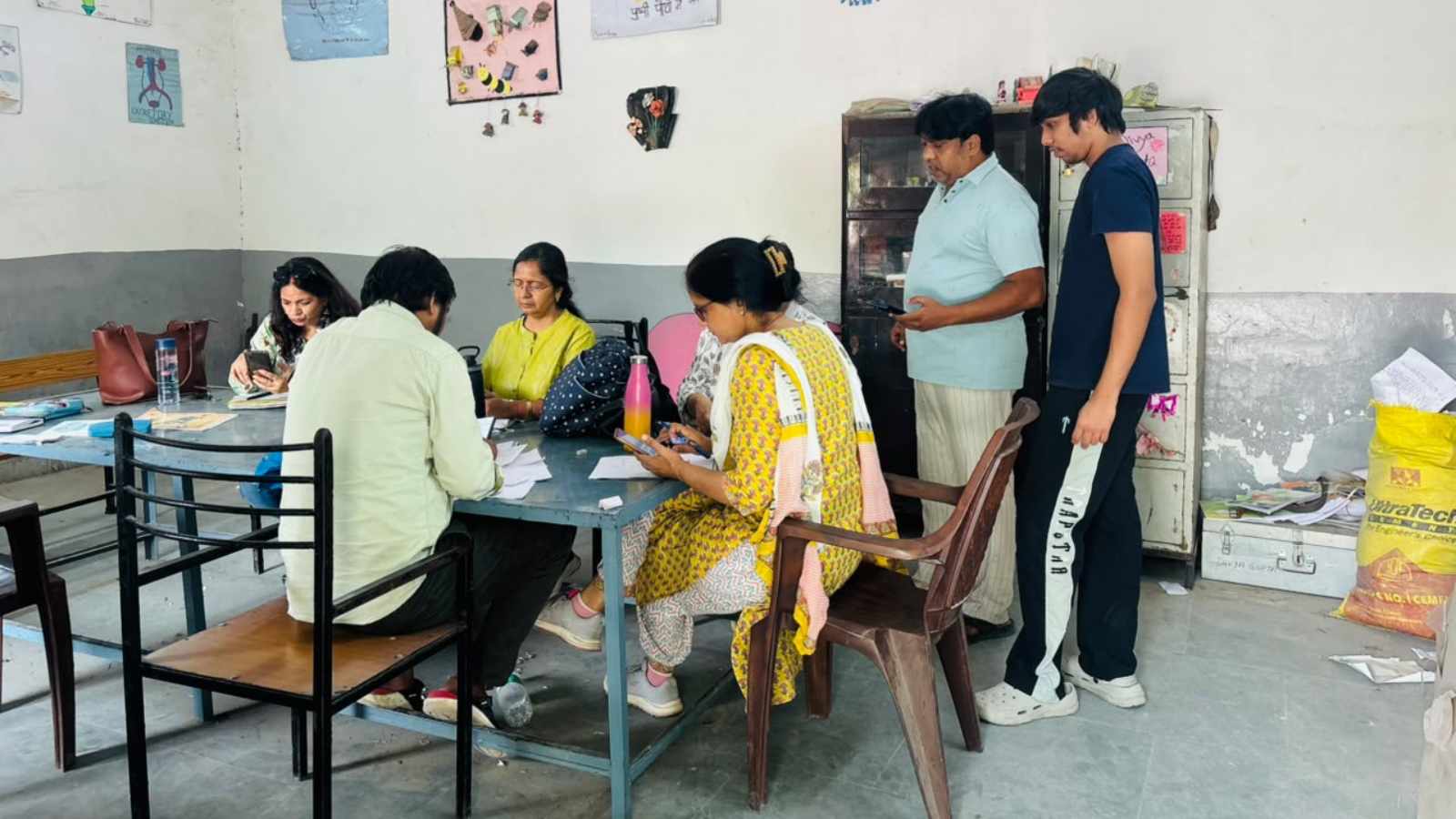
Delhi's recent Special Intensive Revision saw over one lakh electoral camps, yet only 27,510 new voter applications were collected. This low turnout follows the exclusion of 47.57 lakh names from the draft electoral roll, raising concerns ahead of the December 4 final publication.
Low Turnout in Delhi Electoral Revision Efforts
Recent data released by the office of the Chief Electoral Officer (CEO) of Delhi indicates a significant discrepancy between outreach efforts and public participation. Despite the organization of over one lakh special camps across the capital as part of the Special Intensive Revision (SIR), only 27,510 applications for voter enrollment were secured through these specific venues. This initiative, designed to maximize civic engagement and ensure the accuracy of electoral rolls, highlights a challenging gap in the administrative bridge between the Election Commission and the citizenry.
The Context of Electoral Exclusions
The urgency of these camps is underscored by the state of the draft electoral roll released on August 31, which saw a massive 47.57 lakh names excluded. Such large-scale removals often occur due to routine verification, migration, or death, but they necessitate a robust response to ensure that eligible voters are not disenfranchised. The fact that the total number of Form 6 applications received by October 26—across all channels—stands at 2.67 lakh suggests that while there is some movement toward re-enrollment, the total volume remains disproportionate to the number of names initially purged.
Role of the BLO and Administrative Hurdles
Booth Level Officers (BLOs) serve as the frontline representatives for the Election Commission, stationed at these camps to facilitate the submission of Form 6. Their role is critical in guiding citizens through the bureaucratic requirements of registration. The low conversion rate at these specific camps suggests potential systemic issues, ranging from a lack of public awareness regarding the necessity of re-enrolling to logistical difficulties in accessing these locations. When citizens find the registration process cumbersome, even the presence of dedicated personnel at over one lakh sites may fail to yield the desired participation metrics.
Implications for the Final Electoral Roll
As the December 4 deadline for the publication of the final electoral roll approaches, the data suggests that a large portion of the 47.57 lakh individuals previously excluded may remain off the rolls. If the current trend of application submissions continues, the final roll may show a significant contraction in the total number of registered voters compared to previous cycles. This could have profound implications for voter turnout and the representativeness of future electoral outcomes in the National Capital Territory.
Future Trends and Civic Engagement
The disconnect between the vast number of camps organized and the relatively low number of applications received serves as a wake-up call for election management bodies. Future initiatives may need to shift from passive camp-based models to more active, technology-driven outreach strategies to capture the attention of a mobile and increasingly digital-first population. Ensuring that every eligible citizen is registered is a cornerstone of democratic stability, and the current figures from Delhi emphasize the need for a more effective strategy to reconnect with the electorate before the final publication date.