Supreme Court grants AAP MLA Chaitar Vasava 3 days’ temporary bail to visit critically ill relative
Source Entity
Aditi Raja
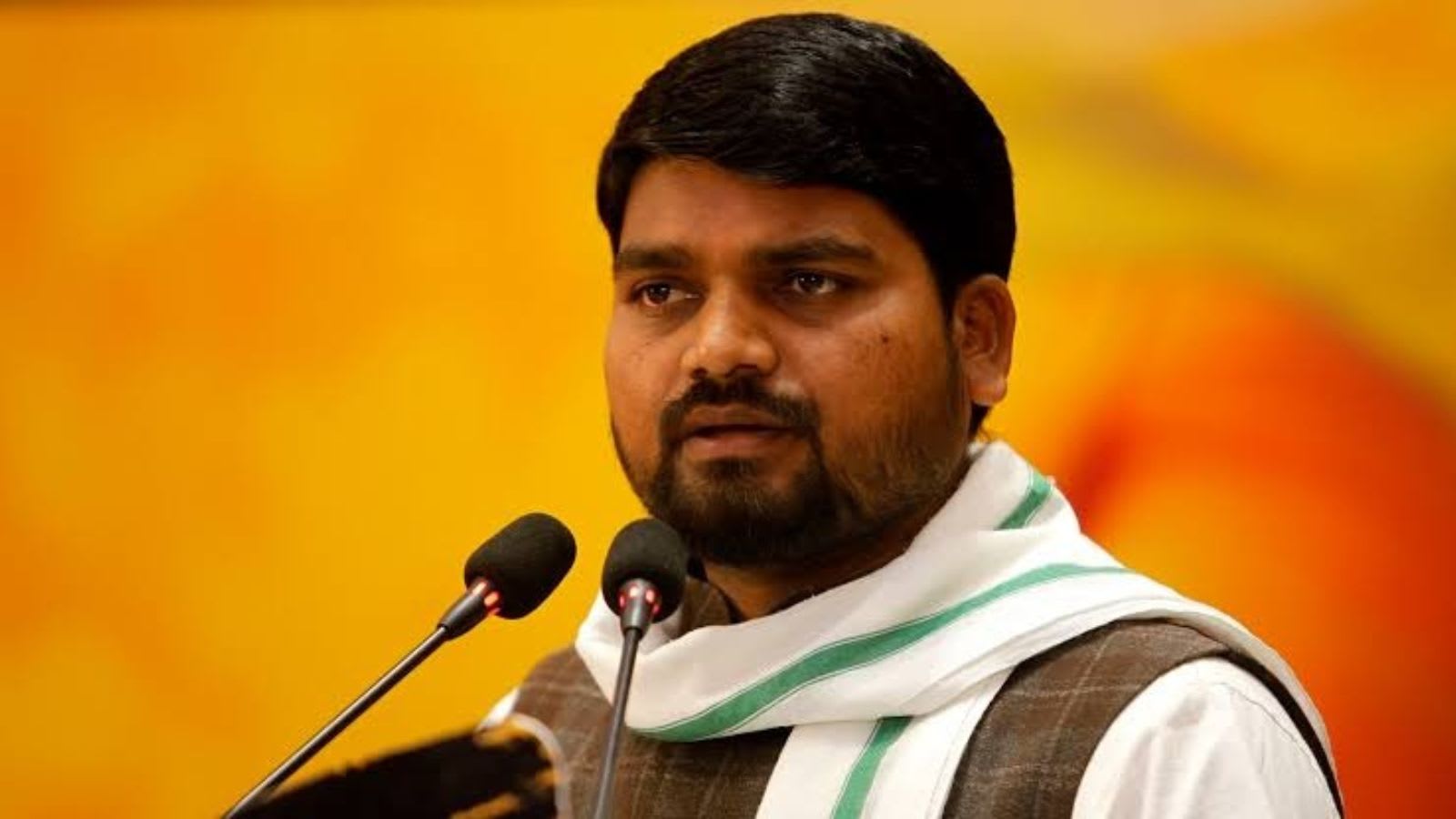
The Supreme Court has granted AAP MLA Chaitar Vasava a three-day temporary bail to visit his hospitalized half-brother. This decision overruled a previous Gujarat High Court order, which Vasava deemed impractical due to travel constraints.
Legal Intervention in the Case of Chaitar Vasava
The Supreme Court of India recently intervened in the legal proceedings concerning Aam Aadmi Party (AAP) Dediapada MLA Chaitar Vasava, granting him a three-day temporary bail. This judicial relief was specifically sought to allow Vasava to visit his half-brother, Shantilal, who is currently hospitalized in Surat following a reported suicide attempt on October 12. This decision highlights the judiciary's role in balancing the rigors of incarceration with humanitarian considerations regarding family emergencies.
Challenging the Practicality of Judicial Relief
The core of the legal dispute rested on the perceived inadequacy of a 12-hour temporary release previously granted by the Gujarat High Court. Vasava’s legal team argued that the logistical realities of the journey—specifically the three-hour commute each way between Vadodara Central Jail and the hospital in Surat—rendered the 12-hour window effectively useless. By characterizing the High Court's order as a "release on paper alone," the petitioner underscored the necessity for courts to account for transit time and the actual duration available for meaningful family engagement.
The Intersection of Law and Humanitarian Needs
This case serves as a poignant reminder of the complexities involved when incarcerated individuals face urgent family medical crises. The Supreme Court's decision to extend the bail to three days acknowledges that a meaningful visit requires more than just a brief appearance; it allows for consultation with medical professionals and the coordination of necessary care. It emphasizes that while judicial processes must remain stringent, they are not intended to be punitive beyond the deprivation of liberty itself.
Broader Implications for Legislative Representation
As an elected representative, Chaitar Vasava’s incarceration and subsequent legal battles carry broader political implications for his constituency in Dediapada. When an MLA is jailed, the ability to serve the public is significantly curtailed. This instance of temporary relief highlights the tension between the state's investigative authority and the democratic necessity of ensuring that elected officials are not unnecessarily hindered from fulfilling both their personal obligations and, by extension, their roles as representatives.
Future Trends in Bail Jurisprudence
The ruling sets a precedent for how future bail petitions involving travel-heavy logistics may be evaluated. By prioritizing the "practicality" of the relief granted over rigid, short-term windows, the Supreme Court has signaled a move toward a more pragmatic judicial approach. This trend toward ensuring that court-granted relief is substantive rather than symbolic could influence how lower courts draft bail conditions in cases involving geographic distance and time-sensitive requirements.
Conclusion
In conclusion, the Supreme Court’s modification of the bail order reflects a balance between legal procedure and human compassion. By granting Chaitar Vasava three days of temporary liberty, the court has ensured that the MLA can attend to his brother’s medical needs without the undue pressure of an impossible travel schedule. This case remains a significant example of how the apex court monitors the functional efficacy of lower court orders to ensure that the spirit of the law is upheld in practice.