Delhi school bomb threat traced to Class 11 girl who wanted extended weekend, free VPN gave her away
Source Entity
Latest News: Todays Latest News Headlines from India & World | Hindustan Times | Hindustan Times
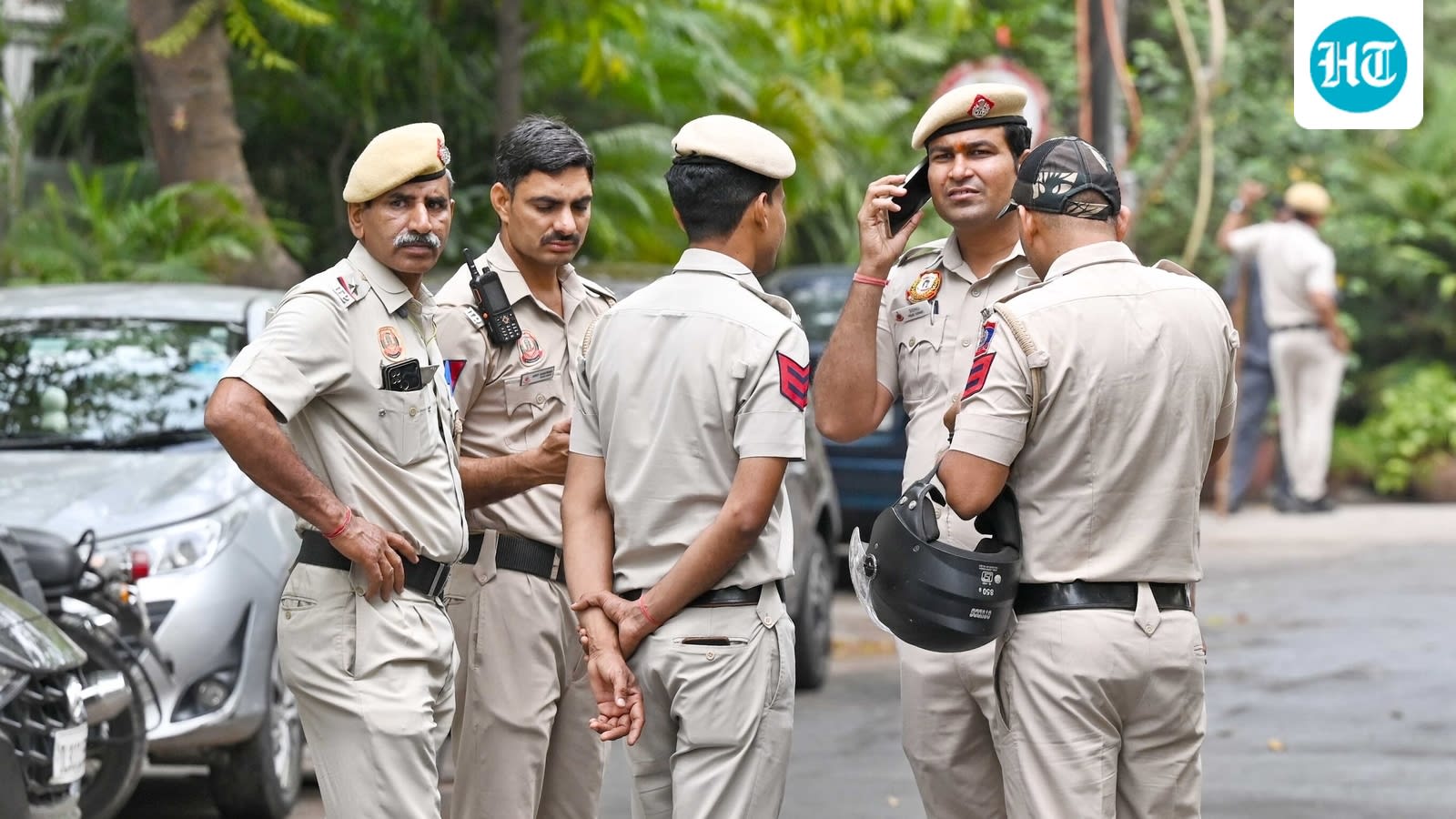
Delhi Police have apprehended a 16-year-old student for sending a bomb hoax email to her school to secure a long weekend. The investigation revealed she used a free VPN that failed to provide the anonymity she expected, leading to her quick identification.
The Anatomy of a Hoax: Delhi School Security Breach
Recent events in Delhi have highlighted a concerning trend regarding school safety and the misuse of digital anonymity. A 16-year-old Class 11 student at a private school in central Delhi was apprehended by Delhi Police after sending a bomb threat email to her own institution. The motivation behind this dangerous prank was surprisingly trivial: the student sought to trigger a school closure that, combined with the upcoming Valmiki Jayanti public holiday, would have effectively granted her a four-day weekend.
The Illusion of Digital Anonymity
Central to this case is the student’s reliance on a free virtual private network (VPN) to mask her identity. While VPNs are legitimate tools for privacy, the use of free, low-tier services often creates a false sense of security. In this instance, the technology failed to obfuscate the sender's digital footprint, allowing law enforcement to trace the origin of the threat. This serves as a stark reminder that digital actions, even those intended to be anonymous, remain traceable under forensic investigation.
A Pattern of Disruptive Hoaxes
This incident marks only the second time since the beginning of 2024 that Delhi Police have successfully traced the sender of a school bomb hoax. Throughout the year, Delhi schools have been subjected to waves of such threats, which cause significant panic among parents, staff, and students, while simultaneously diverting critical police and emergency resources. The fact that students themselves are behind these incidents points to a growing disconnect regarding the severity of such actions.
Broader Implications for School Security
These hoaxes create a logistical nightmare for educational institutions. Every threat, regardless of its perceived origin, requires a full-scale security response, including building evacuations, police sweeps, and potential medical standby. The strain on public resources is immense, and the psychological toll on the school community is significant. As authorities continue to grapple with these waves of threats, the focus is shifting toward stricter surveillance and improved coordination between schools and cybercrime units.
The Future of Juvenile Digital Responsibility
This case underscores an urgent need for better education regarding digital citizenship and the legal consequences of cyber-misuse. While the student's motive was a mundane desire for time off, the repercussions of triggering a bomb scare are life-altering, involving criminal investigations and potential academic expulsion. As digital literacy becomes a standard part of the curriculum, it is imperative that students understand that the internet is not a lawless space and that the tools they use to hide their identity are often insufficient against modern investigative techniques.
Conclusion
In summary, the apprehension of the 16-year-old student serves as both a cautionary tale and a relief for a city plagued by recent threats. By tracing the hoax back to a student who underestimated the capability of cyber-forensics, the Delhi Police have sent a strong message about the traceability of digital threats. Moving forward, authorities will likely continue to prioritize the identification of these culprits to deter future disruptions to the educational environment.
Verification Required?