Delhi Traders Ask Rahul Gandhi To Postpone November 1 Rally Over Diwali Rush
Source Entity
NDTV News Search Records Found 1000
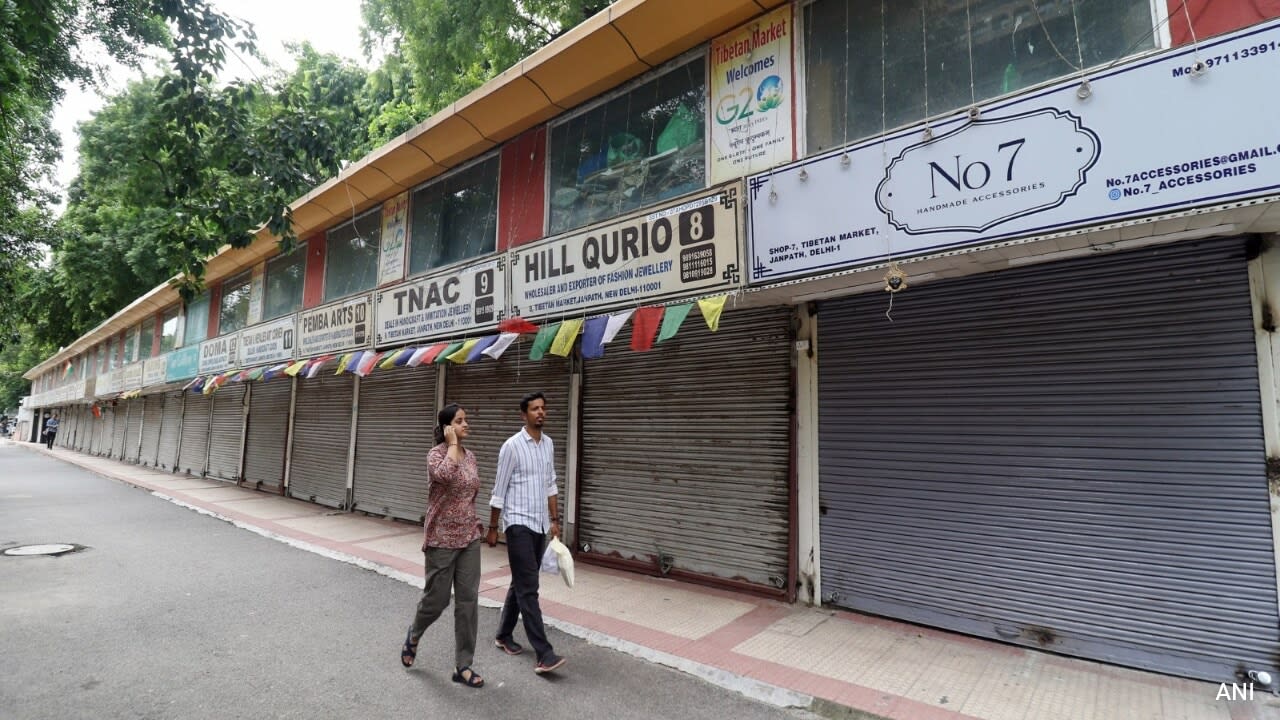
Delhi traders have urged Rahul Gandhi to reschedule the INDIA bloc's November 1 rally at Ramlila Maidan to avoid significant economic disruption. The Chamber of Trade and Industry warns that the event could cause a ₹10,000 crore loss during the critical peak shopping season before Diwali.
Economic Impact of Political Rallies in Delhi
The Chamber of Trade and Industry (CTI), representing the interests of Delhi's vast merchant network, has issued a formal appeal to Leader of the Opposition Rahul Gandhi. The request seeks the postponement of the INDIA bloc’s scheduled 'Delhi Chalo March,' currently slated for November 1 at the Ramlila Maidan, until after November 10. The primary concern driving this appeal is the potential for significant economic disruption during the most lucrative window of the Indian retail calendar.
The Stake: A ₹10,000 Crore Warning
CTI chairman Brijesh Goyal has highlighted that the timing of the rally coincides with the peak pre-festive shopping period, specifically preceding Dhanteras, which falls on November 6. The association estimates that the logistical challenges, security cordons, and potential crowd-control measures associated with a large-scale political rally could jeopardize business transactions worth ₹10,000 crore. This figure represents a substantial portion of the ₹25,000 crore in economic activity that Delhi typically records across sectors including electronics, gold, jewelry, and textiles during the Diwali season.
Historical Context and Recent Precedents
The anxiety within the trading community is not unfounded; it is rooted in recent experiences. CTI reports indicate that previous protests on October 10 resulted in estimated trade losses ranging between ₹2,000 crore and ₹3,000 crore. These losses were attributed to the immediate impact of street closures, restricted access to wholesale and retail hubs, and the general atmosphere of uncertainty that discourages consumer footfall in the 5-km radius surrounding the protest site.
The Nature of the INDIA Bloc Protest
The upcoming rally is organized by the INDIA bloc to voice opposition against the Chief Election Commissioner, Gyanesh Kumar, and the Special Intensive Revision (SIR) of electoral rolls. While political expression is a cornerstone of democratic discourse, the CTI’s intervention highlights the tension between civic agitation and urban economic stability. By focusing on the Ramlila Maidan—a traditional hub for both political rallies and proximity to major markets—the protest organizers face a logistical dilemma regarding the balance between their political objectives and the livelihoods of local traders.
Broader Implications for Urban Management
This incident underscores a broader trend in Indian metropolitan governance: the struggle to accommodate large-scale political gatherings in densely populated commercial centers. As Delhi continues to serve as the epicenter for national political activity, the recurring conflict between political demonstrations and the city's commercial vitality poses a recurring challenge. If the rally proceeds as planned, the resulting congestion could have a cascading effect on supply chains and retail operations, potentially affecting the festive mood of the capital.
Future Trends and Resolution
Looking ahead, the resolution of this conflict will likely depend on the willingness of the opposition bloc to engage with stakeholders. Should the rally be postponed, it would signify a rare instance of political actors aligning their protest schedules with the economic realities of the trading community. Failure to do so may solidify the rift between political organizers and the business sector, potentially leading to increased pressure for designated 'protest zones' that do not interfere with the essential economic arteries of the city.
Multiple Citing Sources
Verification Required?