Haryana to HERC: Stop creating parallel power distribution licence
Source Entity
Latest News: Todays Latest News Headlines from India & World | Hindustan Times | Hindustan Times
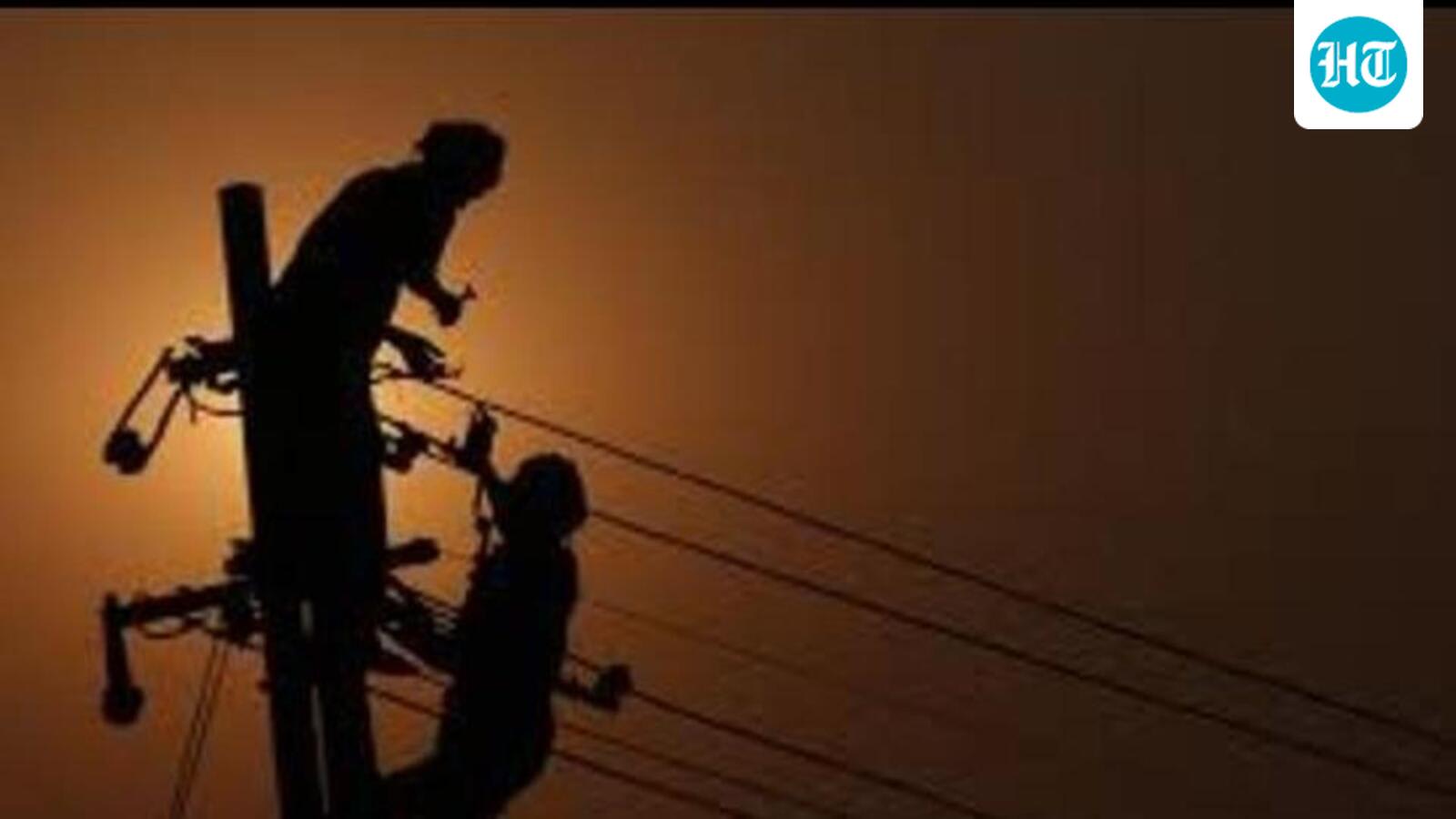
The Haryana government has invoked Section 108 of the Electricity Act to block the issuance of parallel power distribution licenses following a disruptive two-day employee strike. This intervention effectively mandates that the HERC cannot operationalize private licenses in Gurugram and Nuh, ending the industrial action.
Haryana Government Intervenes in Power Distribution Dispute
The Nayab Singh Saini-led government of Haryana has taken a decisive step to resolve a state-wide power crisis by invoking Section 108(1) of the Electricity Act, 2003. This legislative maneuver effectively directs the Haryana Electricity Regulatory Commission (HERC) to halt the creation and operationalization of parallel power distribution licenses. The government’s intervention comes as a direct response to a two-day strike by power department employees, which paralyzed essential services and industrial operations across the state.
The Impact of the Power Strike
The labor unrest, triggered by the HERC’s decision to grant a parallel distribution license to a private entity for operations in Gurugram and Nuh, caused widespread disruption. For over 48 hours, residents faced prolonged power outages, which in turn severely hampered water supply systems that rely on electricity to operate pumps. The situation reached a critical point as industry bodies flagged massive losses due to halting production lines, placing immense pressure on the state government to mediate the standoff.
Legal Framework: Section 108 of the Electricity Act
By utilizing Section 108(1) of the Electricity Act, the government has asserted its authority to issue policy directives to the state regulator on matters of public interest. This provision is designed as a safety valve for the state to ensure that regulatory decisions do not cause systemic instability or social unrest. By explicitly ordering the HERC not to “create, operationalise or effectuate” any parallel licenses, the government has essentially nullified the regulatory move that sparked the protests.
Industrial and Economic Consequences
The economic toll of the two-day shutdown in major hubs like Gurugram—a significant industrial and corporate center—was substantial. Factories remained shut, and the cessation of operations for over 24 hours created a ripple effect in supply chains. The government’s decision to side with the employees’ demands for a state-run monopoly reflects a prioritizing of industrial stability and public service continuity over the introduction of competitive private distribution models in the immediate term.
Future Implications for Power Reform
This event highlights the inherent tensions between regulatory liberalization and the interests of state-run power utility workforces. While the introduction of parallel licensing is often touted as a mechanism to improve efficiency and competition, this incident demonstrates that such transitions face significant political and social hurdles. Moving forward, the Haryana government faces the challenge of balancing the need for infrastructure modernization with the powerful labor unions that maintain the current state-run framework.
Conclusion
The resolution of this strike marks a significant victory for the power department employees and provides temporary relief to residents and businesses in Haryana. However, it raises broader questions regarding the independence of regulatory bodies and the future of private sector participation in the state’s power distribution sector. The government’s directive serves as a reminder that major utility reforms require both regulatory backing and a social license to operate without triggering widespread public and labor disruption.
Verification Required?