Delhi Traffic advisory: Avoid these roads near Parliament tomorrow
Source Entity
The Indian Express
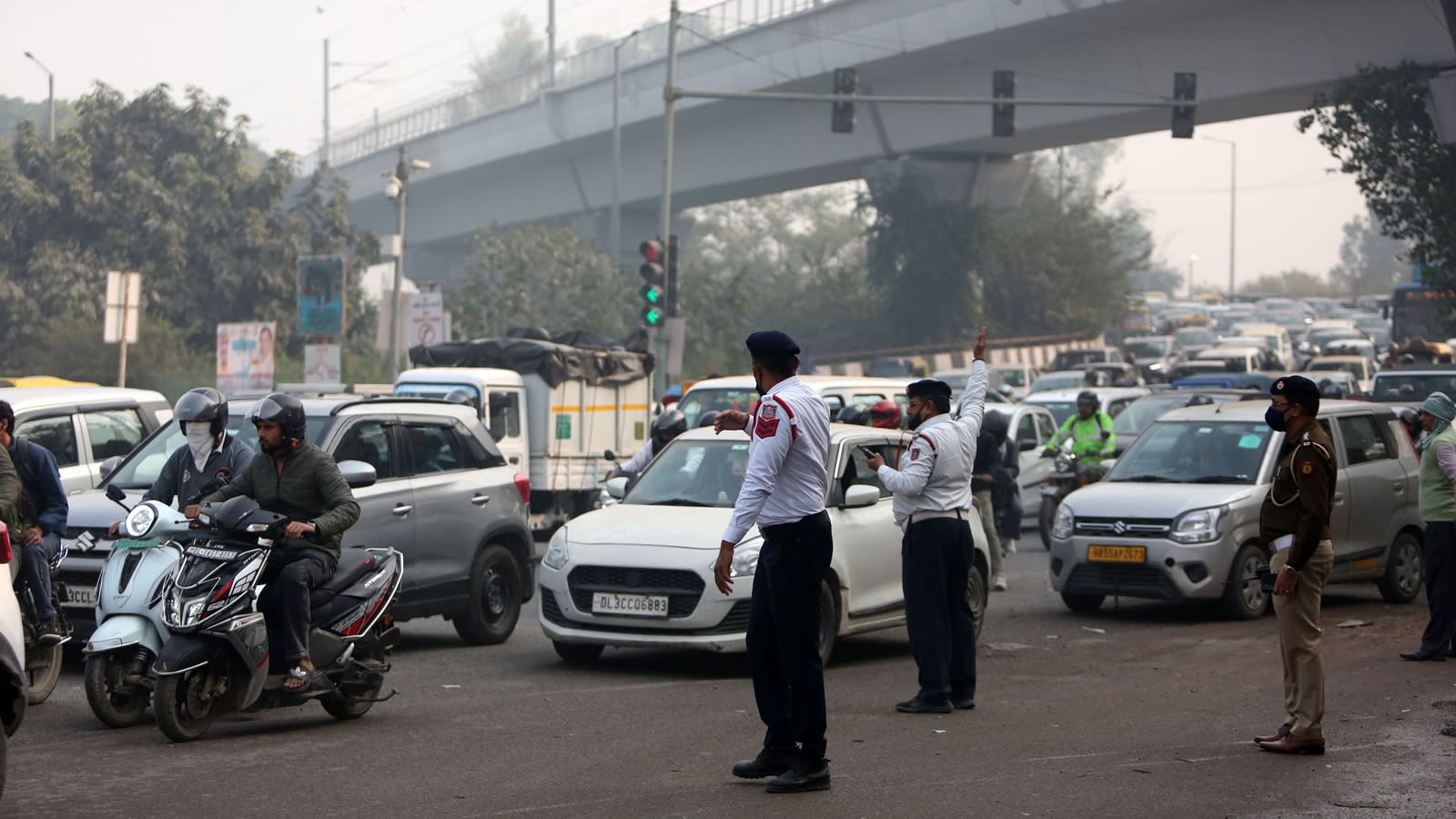
Delhi Traffic Police have issued a traffic advisory for the Monsoon Session of Parliament starting July 20 to manage congestion and VIP movement. The session coincides with planned protests by activist Sonam Wangchuk and the Cockroach Janta Party.
Navigating the Capital: Analysis of Delhi Traffic and Political Unrest during the Monsoon Session
The commencement of the Monsoon Session of Parliament on July 20 brings a predictable yet complex logistical challenge to the national capital. The Delhi Traffic Police have proactively issued a comprehensive traffic advisory to mitigate the inevitable congestion and security risks associated with the session. This period is characterized by an influx of legislators, diplomats, and government officials, necessitating a stringent security apparatus around the Parliament complex to ensure the safety of the legislative process.
Security Logistics and Urban Mobility
Under the announced "special traffic arrangements," the police are focusing heavily on the seamless movement of VIP vehicles, which often requires the temporary closure of key arteries and strict access control. This is a standard operational procedure in New Delhi, where the high density of government offices and the sensitivity of the legislative hub require a balanced approach between public mobility and high-level security. Commuters have been explicitly urged to plan their journeys, allow extra travel time, and avoid affected stretches during peak hours to avoid significant delays.
The Intersection of Activism and Governance
The session's start is further complicated by planned political activism. Specifically, the Cockroach Janta Party and prominent activist Sonam Wangchuk have urged supporters to march toward Parliament. While the provided text mentions a date of May 20, the alignment with the session's security measures suggests a climate of ongoing protest. Such marches often act as a catalyst for increased police presence and more restrictive traffic diversions, as the state seeks to prevent unauthorized access to the high-security zone surrounding the Parliament complex.
Judicial Oversight and Humanitarian Concerns
The situation surrounding Sonam Wangchuk adds a layer of legal and humanitarian complexity to the current atmosphere. The High Court's direction to the government to monitor Wangchuk's health, which resulted in his transfer to Sufdarjung Hospital by police personnel, highlights the intersection of political dissent and judicial oversight. This indicates that the current unrest is not merely a logistical disruption but is tied to deeper legal battles and health concerns regarding the activists attempting to voice their grievances.
Broader Sociopolitical Implications
The synergy between legislative sessions and public protests is a recurring theme in India's capital. The need for "enhanced security" mentioned in the traffic advisory is a direct response to the potential for volatility when activists like Wangchuk attempt to bring their concerns to the doorstep of the legislature. This dynamic creates a persistent tension between the state's requirement for order and the citizens' right to assemble and protest, often resulting in the temporary transformation of public roads into high-security corridors.
Future Trends and Outlook
Looking ahead, the Monsoon Session is likely to see continued friction between the administration and various activist groups. As the session progresses, traffic patterns will likely remain volatile, and the health and legal status of key figures like Wangchuk will remain a focal point for supporters. The ability of the Delhi Traffic Police to maintain urban flow while managing high-stakes security will be a key indicator of the city's operational resilience during this high-pressure period.
Conclusion
In summary, the traffic advisory is a necessary precursor to a period of high intensity in Delhi. Between the formal proceedings of the Monsoon Session and the informal pressures of public protests and judicial interventions, the capital's infrastructure is put to the test. For the general public, the primary takeaway is the need for vigilance and adaptability to the changing traffic landscape to ensure minimal disruption to daily life.