India-Australia uranium deal: Why domestic reserves are not enough to fuel India’s nuclear ambitions
Source Entity
Pratyush Deep
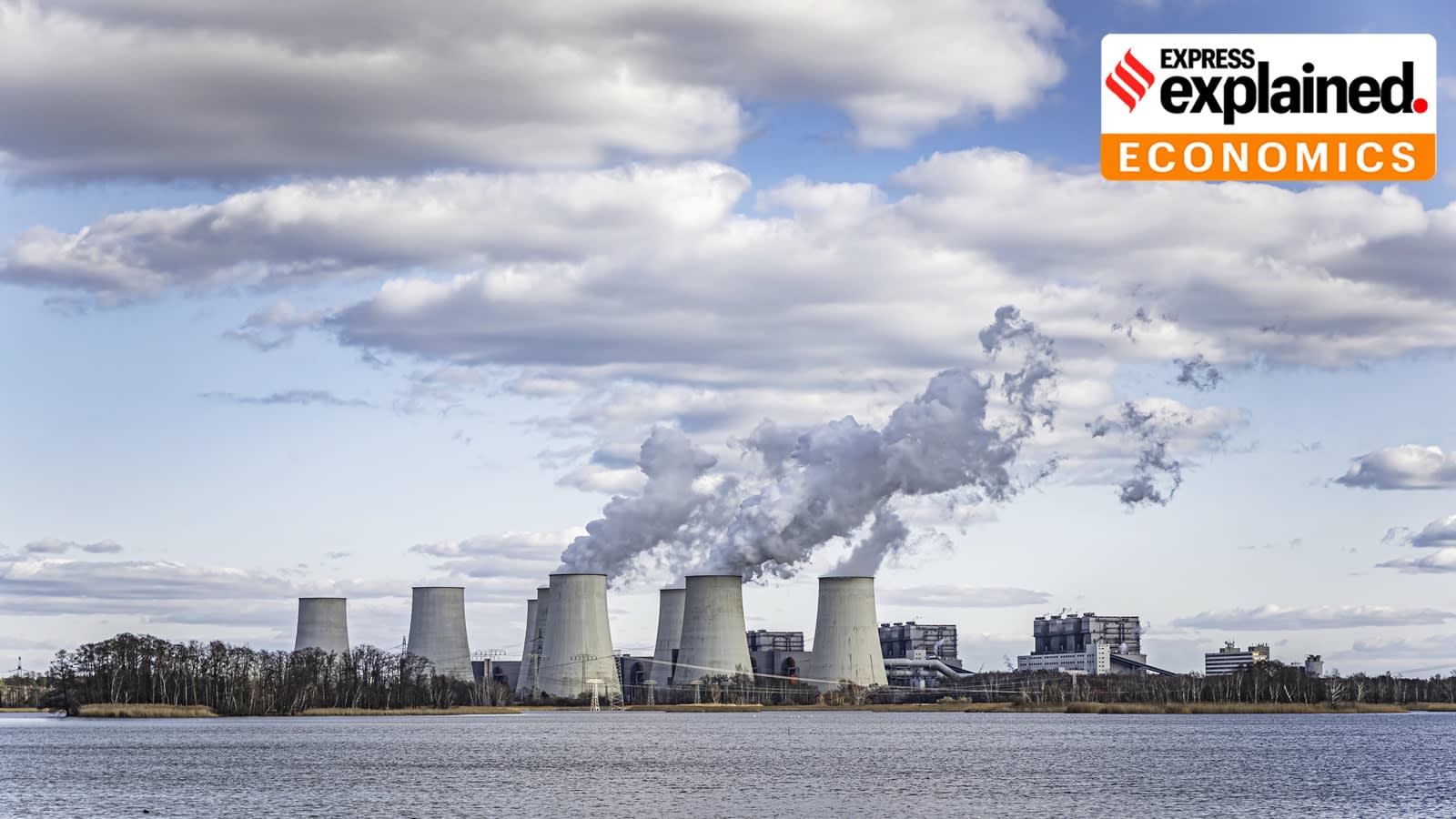
India has secured a long-term uranium supply deal with Australia to support its civil nuclear programme. This agreement, alongside deals with Canada and Kazakhstan, is key to India's goal of reaching 100 GWe of nuclear capacity by 2047.
Strategic Energy Shift: India's Uranium Procurement and Nuclear Vision
India has reached a pivotal milestone in its energy strategy by securing a long-term uranium supply deal with Australia. This agreement is not merely a commercial transaction but the operationalization of the India-Australia Civil Nuclear Cooperation Agreement signed nearly 12 years ago. By finalizing this deal, New Delhi is moving closer to stabilizing its fuel pipeline, ensuring that its civil nuclear program has the necessary raw materials to sustain long-term growth and operational stability.
Strategic Diversification of Fuel Sources
A critical aspect of this development is India's broader strategy of fuel diversification. The Australian deal does not stand alone; it follows similar long-term agreements signed with Canada and Kazakhstan earlier this year. By spreading its procurement across multiple global partners, India is mitigating the risks associated with geopolitical instability or supply chain disruptions from any single source. This multi-pronged approach to securing "yellowcake" (uranium oxide) is essential for maintaining a consistent energy flow to its reactors and reducing vulnerability to external shocks.
The Path to 100 GWe by 2047
The driving force behind these aggressive procurement efforts is India's ambitious target to expand its civil nuclear power capacity to 100 gigawatt-electric (GWe) by 2047. To achieve such a massive scale-up, India requires a steady and predictable supply of uranium that far exceeds what its domestic reserves can provide. This target aligns with India's broader goals of reducing carbon emissions and transitioning toward a more sustainable, low-carbon energy matrix while meeting the soaring electricity demands of its rapidly growing economy.
Overcoming Historical and Diplomatic Barriers
The 12-year gap between the initial cooperation agreement and the actual supply deal highlights the complex diplomatic and regulatory hurdles involved in nuclear trade. Nuclear fuel is subject to strict international safeguards and rigorous bilateral conditions. The eventual operationalization of this pact demonstrates a significant evolution in diplomatic relations and a strengthening of the strategic partnership between India and Australia, reflecting a shared interest in energy security and regional stability.
Economic and Technical Implications
While the specific volumes and durations of the Australian deal remain undisclosed, the trend indicates a shift toward long-term stability over spot-market volatility. By securing long-term contracts, India can better plan its reactor construction and fuel cycle management. This stability is crucial for the operational efficiency of current plants and the successful commissioning of new ones, ensuring that the transition to the 2047 capacity goal is technically feasible and economically viable.
Conclusion
In conclusion, the uranium deal with Australia marks a strategic victory for India's energy diplomacy. By complementing this deal with agreements from Kazakhstan and Canada, India is effectively building a robust safety net for its nuclear ambitions. As the country marches toward its 2047 capacity goals, these international partnerships will be the cornerstone of its ability to generate clean, reliable baseload power, ultimately securing its energy independence on a global scale.