There was no need for Govt. intervention: Wangchuk’s wife Gitanjali on Delhi HC refusing interim relief on hospital transfer
Source Entity
India Latest News: Top National Headlines Today & Breaking News | The Hindu
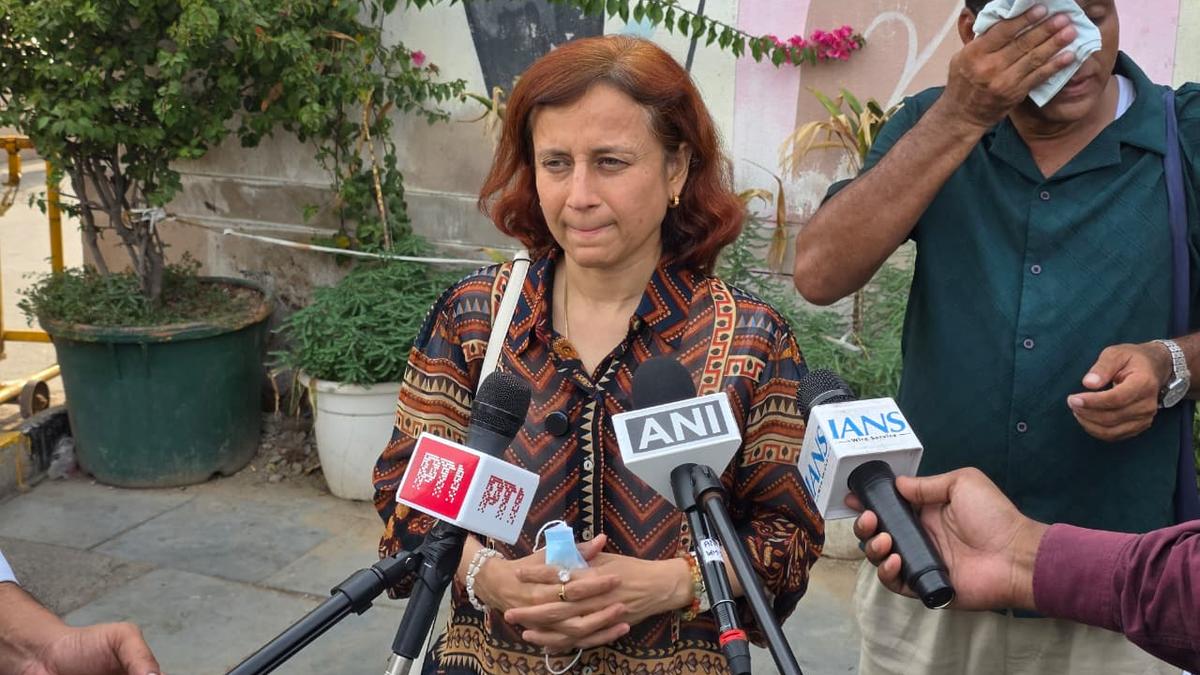
Climate activist Sonam Wangchuk has been shifted to Safdarjung Hospital following a 21-day hunger strike. His family has demanded medical transparency, while police maintain the move was based on medical advice and court orders.
The Hospitalization of Sonam Wangchuk: A Critical Turning Point
On July 18, 2026, the ongoing protest led by educator and climate activist Sonam Wangchuk reached a critical junction when Delhi Police relocated him to Safdarjung Hospital. Wangchuk, who had been engaged in an indefinite hunger strike for over 20 days, was moved under the authority of the Delhi High Court and explicit medical recommendations citing his deteriorating health. This development marks a significant escalation in the tensions surrounding his protest, which has drawn national attention to his cause.
Medical Intervention vs. Protest Autonomy
The decision to shift Wangchuk to a government medical facility has sparked immediate concerns regarding the autonomy of the protest movement. His wife, Gitanjali J. Angmo, has issued a formal request for transparency, emphasizing that no medical interventions—whether oral or intravenous—should be administered without the express consent of his family and personal medical team. This demand highlights the deep distrust between the protest organizers and state authorities, particularly after allegations of police force were reported at the Jantar Mantar site.
The Role of Social Media Satire and Grassroots Mobilization
A notable dimension of this protest is the involvement of the 'Cockroach Janta Party,' a group that has utilized social media satire to mobilize support. This movement underscores a broader trend in Indian political activism, where digital-first, satirical narratives are successfully translating into significant physical presence on the streets. The incident at Jantar Mantar, where police were accused of lathi-charging students, illustrates the friction between unconventional protest tactics and traditional law enforcement responses.
Judicial and Administrative Oversight
The involvement of the Delhi High Court in ordering the medical transfer underscores the legal complexities surrounding prolonged hunger strikes. When a protest reaches a duration of 21 days, the state is often compelled to intervene to prevent a loss of life, which shifts the discourse from political demands to the humanitarian obligation of the government. This creates a delicate balance where the state must uphold public order while respecting the right to peaceful dissent.
Future Implications and Outlook
As Wangchuk remains under medical supervision, the future of his protest remains uncertain. The 'Cockroach Janta Party' and other supporters are likely to continue exerting pressure on the administration, keeping the focus on the core issues that Wangchuk championed during his 20-day fast. The government's challenge will be to manage the fallout of this hospitalization without further alienating the activists or escalating the situation at protest sites like Jantar Mantar. The coming days will be pivotal in determining whether the movement maintains its momentum or faces a strategic pivot due to the health of its primary leader.
Multiple Citing Sources
Verification Required?