The E20 transition: fuel for debate
Source Entity
India Latest News: Top National Headlines Today & Breaking News | The Hindu
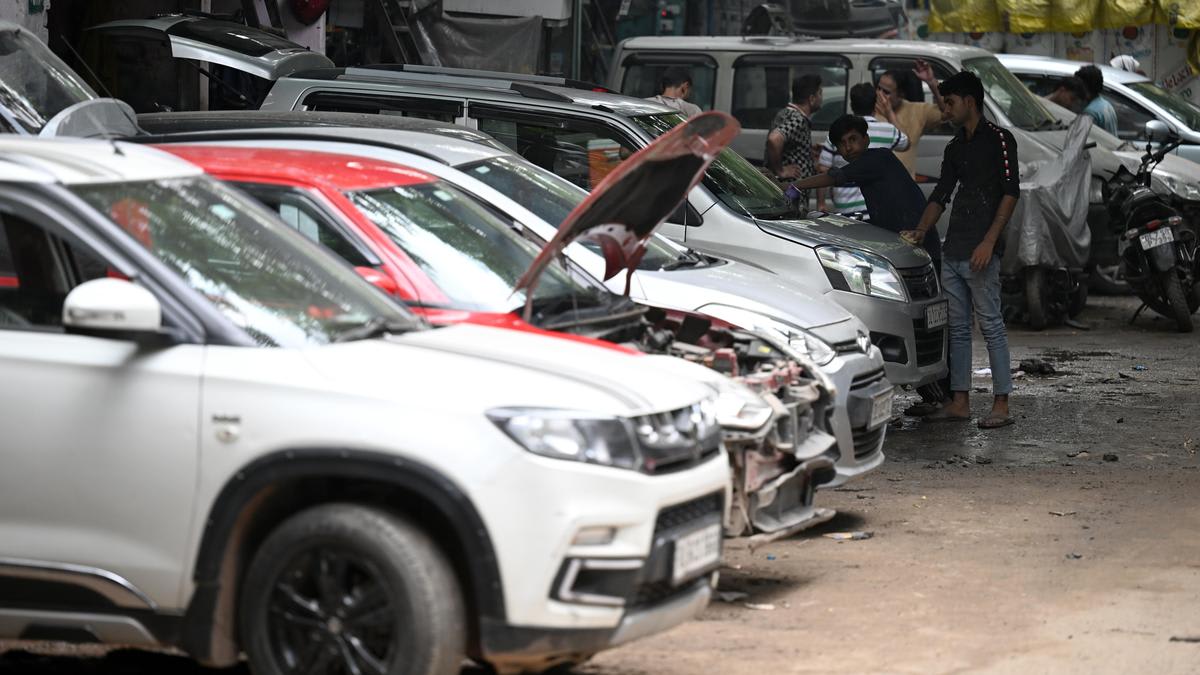
Motorists across India are reporting engine malfunctions, including clogged injectors and decreased fuel efficiency, linked to the E20 ethanol blending transition. Mechanics in New Delhi's Nala market report a surge in vehicles experiencing fuel delivery failures and 'jerking' during operation.
The E20 Transition: Navigating the Friction of Fuel Evolution
India's strategic shift toward E20 fuel—a blend of 20% ethanol and 80% gasoline—is designed to reduce the nation's heavy reliance on crude oil imports and support the domestic sugarcane industry. However, this transition is meeting significant friction on the ground. As the government pushes for higher blending ratios to meet environmental and economic goals, a growing number of vehicle owners are reporting systemic failures in their engines. The shift is not merely a policy change but a technical challenge that is manifesting as tangible mechanical distress for millions of motorists across the country.
Ground-Level Realities in New Delhi
The practical fallout of the E20 transition is most evident in automotive hubs like Karol Bagh’s Nala market in New Delhi. Local mechanics, such as Abdul Aziz and Tanveer Ahmed Khan, have observed a marked increase in vehicles arriving with a specific set of symptoms. Motorists describe a sharp drop in fuel efficiency and a phenomenon known locally as "gaadi missing de rahi hai," where the vehicle jerks or stutters during acceleration. These symptoms are indicative of poor fuel delivery, suggesting that the chemical composition of the new fuel blend is interacting poorly with existing vehicle hardware.
Technical Analysis of Component Failure
According to the reports from the Nala market, the primary culprits behind these malfunctions are clogged fuel injectors and blocked fuel filters. Ethanol is hygroscopic, meaning it attracts water from the atmosphere, which can lead to phase separation and the formation of contaminants in the fuel tank. When this contaminated petrol reaches the engine, it can lead to the buildup of deposits in the injectors and filters. For vehicles not specifically designed for high ethanol concentrations, the corrosive nature of ethanol can degrade rubber seals and plastic components, further exacerbating the risk of fuel pump damage and system blockages.
The Economic Paradox of the Transition
There is a striking economic paradox emerging from this crisis. While vehicle owners face increased maintenance costs and decreased performance, repair shops are seeing a surge in demand. As Abdul Aziz notes, "business is brisk," highlighting how the technical failures of the E20 transition are creating an unplanned windfall for the aftermarket repair sector. This shift in cost—from the state's import bill to the individual consumer's repair bill—raises important questions about the equity of the transition and the adequacy of the support provided to owners of older, non-compliant vehicles.
Policy Goals vs. Mechanical Compatibility
Historically, India has aggressively pursued ethanol blending to enhance energy security and reduce carbon emissions. However, the gap between policy ambition and mechanical reality is widening. The transition to E20 assumes a level of fleet compatibility that may not exist in practice, especially for older two-wheelers and cars. The reported instances of contaminated petrol and damaged pumps suggest that the infrastructure for fuel distribution and the design of existing engines are not yet fully aligned with the 20% blending mandate.
Future Outlook and Predictions
Looking forward, it is likely that the automotive industry will be forced to accelerate the rollout of E20-compliant components and retrofit kits. We can predict a trend where manufacturers provide clearer guidelines or subsidized upgrades for older models to prevent widespread engine failure. Additionally, there may be a push for stricter quality control at the petrol pump level to ensure that ethanol-blended fuels are stored and transported in a manner that prevents the contamination currently being reported by motorists.
Conclusion
While the E20 transition is a vital step toward India's energy independence and environmental sustainability, the current reports of clogged injectors and fuel inefficiency serve as a critical warning. The experiences of mechanics in New Delhi's Nala market underscore the need for a more nuanced implementation strategy—one that balances macro-economic goals with the technical realities of the vehicles currently on the road. Without addressing these compatibility issues, the transition risks alienating consumers and creating a long-term trust deficit regarding green fuel initiatives.
Multiple Citing Sources
Verification Required?