8 killed, 12 injured as multiple landslides hit Nagaland's Mon district
Source Entity
TOI CITY DESK
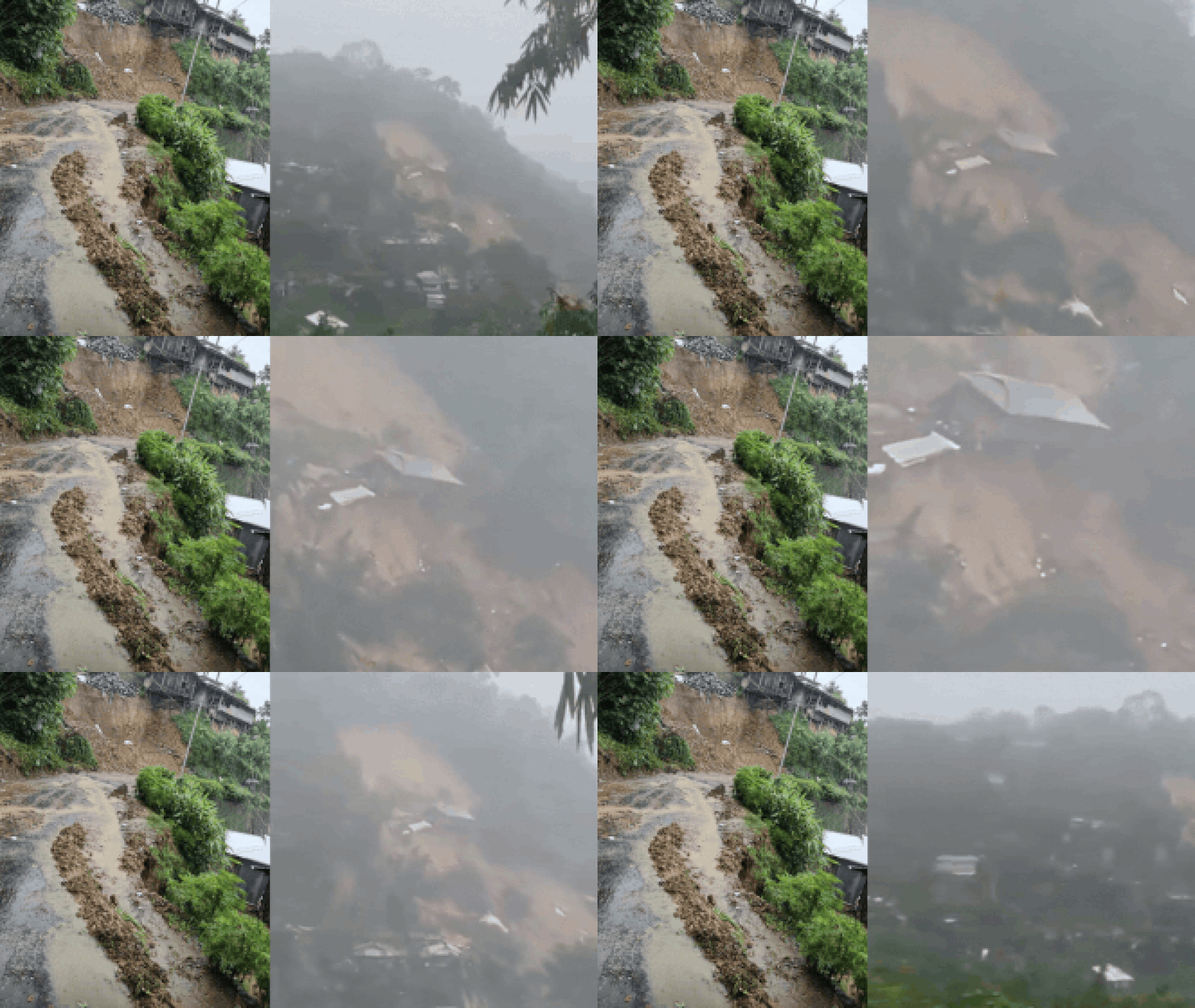
Heavy rainfall triggered multiple landslides in Nagaland's Mon district, resulting in 8 deaths and 12 injuries. Rescue operations by the NDRF, SDRF, and police are currently underway to recover bodies and clear blocked roads.
Devastating Landslides Strike Nagaland's Mon District
Nagaland has been hit by a series of catastrophic landslides in the Mon district, following a period of incessant and heavy rainfall. The disaster, which unfolded on Sunday morning, has claimed at least eight lives and left twelve others injured. The scale of the tragedy is highlighted by the fact that these landslides occurred across multiple locations, creating a widespread emergency that has strained local resources and necessitated the intervention of specialized national and state disaster response teams.
Immediate Impact and Casualty Assessment
According to Mon deputy commissioner Wennyei Konyak, the most severely affected areas include Mon town and Tizit. The human toll is significant, with eight confirmed fatalities. As of the latest reports, four bodies have been successfully recovered, while four others remain trapped under massive amounts of debris. The twelve injured individuals are receiving medical attention, but the ongoing nature of the disaster complicates the efforts to account for every single person in the affected zones. Several houses were destroyed or severely damaged, leaving families displaced and vulnerable.
Coordination of Search and Rescue Operations
In response to the crisis, a multi-agency rescue operation has been launched. The National Disaster Response Force (NDRF), State Disaster Response Force (SDRF), and local police are working in tandem to locate missing persons and recover bodies from the rubble. Beyond the immediate search for survivors, authorities are prioritizing road clearance work. Landslides often sever critical transport arteries in hilly terrains, and restoring road access is vital for transporting the injured to hospitals and bringing in additional relief supplies and heavy machinery needed for debris removal.
Geological and Climatic Context
The landslides were triggered by "incessant heavy rainfall," a common but deadly phenomenon in the Northeast region of India. The steep topography of Nagaland, combined with saturated soil during the monsoon season, makes the region highly susceptible to slope failure. When heavy rains persist, the soil loses its shear strength, leading to the sudden collapse of hillsides. This event underscores the inherent geographical vulnerabilities of the Mon district, where the intersection of high rainfall and rugged terrain creates a high-risk environment for landslides.
Infrastructure Vulnerability and Socio-Economic Impact
The destruction of several houses in Mon town and Tizit points to a critical vulnerability in local infrastructure. In many hilly regions, residential structures are built on slopes that may become unstable during extreme weather events. The loss of housing, coupled with the disruption of roads, creates a cascading effect on the local economy and the well-being of the residents. The urgency of the road clearance work mentioned by officials reflects the dependency of these remote districts on a few primary transit routes for essential services and commerce.
Future Outlook and Preventative Measures
Looking forward, the situation remains precarious. Authorities have issued urgent advisories for residents in vulnerable areas to remain alert, as rainfall forecasts indicate that the heavy rains are likely to continue. This heightened state of alert is crucial to prevent further loss of life. The event also raises critical questions regarding the efficacy of early warning systems in the region. To mitigate future disasters, there is a pressing need for enhanced slope stabilization projects and more robust meteorological warning systems that can provide residents with enough lead time to evacuate high-risk zones.
Summary
The landslides in Mon, Nagaland, serve as a grim reminder of the region's susceptibility to climate-induced disasters. With 8 dead and 12 injured, the focus remains on the recovery of the remaining missing persons and the restoration of critical infrastructure. The coordinated effort between the NDRF and SDRF is essential for immediate relief, but long-term resilience will require a combination of better urban planning and advanced weather monitoring to protect the inhabitants of Tizit and Mon town from future tragedies.