Delhi CM Rekha Gupta lays foundation of waste processing, biogas plant; inspects Okhla landfill
Source Entity
The Indian Express
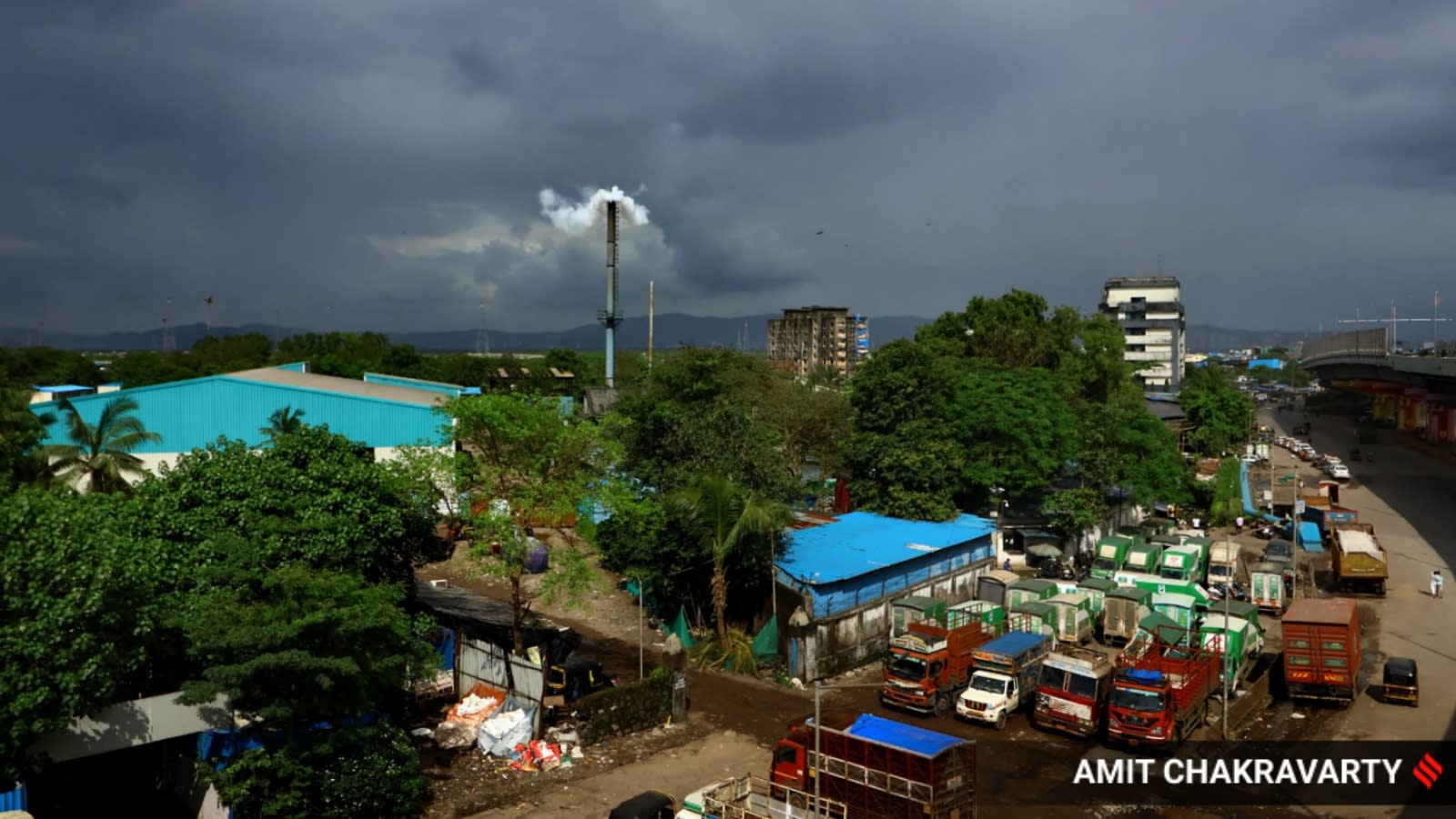
Delhi Chief Minister Rekha Gupta has initiated the construction of three new waste-processing plants and a biogas facility to address the city's mounting garbage crisis. These projects aim to significantly increase the municipal corporation's scientific waste processing capacity, which currently lags behind daily generation.
Addressing Delhi’s Mounting Waste Crisis
Delhi Chief Minister Rekha Gupta recently took a decisive step toward mitigating the national capital's persistent waste management challenges by laying the foundation stones for three new waste-processing plants and a 300-TPD biogas facility. By conducting this ceremony virtually from the Okhla landfill site while simultaneously inspecting the ground reality, the administration has signaled a renewed focus on transforming urban waste management from a passive disposal model into a proactive, scientific processing infrastructure.
The Scale of the Challenge
The necessity for this expansion is underscored by the sheer volume of waste produced in Delhi, which currently stands at approximately 13,500 tonnes per day. With the Municipal Corporation of Delhi (MCD) currently only able to scientifically process roughly 60 percent of this output, a significant portion of the city's refuse ends up contributing to the environmental degradation of existing landfill sites. This deficit represents not just a logistical hurdle, but a public health and environmental emergency that demands immediate, scalable interventions.
Strategic Expansion of Processing Capacity
The planned facilities, located at Okhla, Singhola, and Ghazipur, are designed to add a combined 2,900 tonnes per day (TPD) of fresh-waste processing capacity. This infusion of technology is critical to bridging the gap between generation and disposal. By localizing processing units at major waste hubs, the MCD aims to reduce the transportation burden and ensure that a higher percentage of municipal solid waste is diverted from traditional landfill dumping, which has long been a source of toxic emissions and groundwater contamination in the region.
The Role of Biogas and Sustainable Tech
Beyond traditional waste sorting and processing, the inclusion of a 300-TPD biogas plant at Ghazipur marks a shift toward a circular economy. Converting organic waste into biogas provides a dual benefit: it reduces the volume of waste destined for landfills while simultaneously generating a renewable energy source. This integration of waste-to-energy technology is an essential component of modern urban planning, allowing the city to offset its carbon footprint while managing its daily waste cycle more efficiently.
Future Implications and Urban Governance
As Delhi continues to expand, the success of these plants will likely dictate the trajectory of the city’s environmental policy. If these facilities perform at their projected capacity, they will drastically reduce the reliance on sprawling, hazardous landfills that have become synonymous with the city's waste crisis. The government’s commitment to these sites suggests a long-term strategy to normalize scientific processing, potentially creating a blueprint for other rapidly urbanizing Indian cities facing similar waste management constraints.
Conclusion
The foundation laid by Chief Minister Rekha Gupta is a critical milestone in Delhi’s quest for a cleaner urban future. By prioritizing the expansion of processing capacity at Okhla, Singhola, and Ghazipur, the administration is moving toward a more sustainable waste management framework. The ultimate success of these projects will depend on efficient implementation and the continued integration of advanced waste-processing technologies to ensure that the city can keep pace with its own rapid growth.