Thackeray Brothers To Lead Mega Mumbai Protest Against Poll Body Chief Today
Source Entity
NDTV News Search Records Found 1000
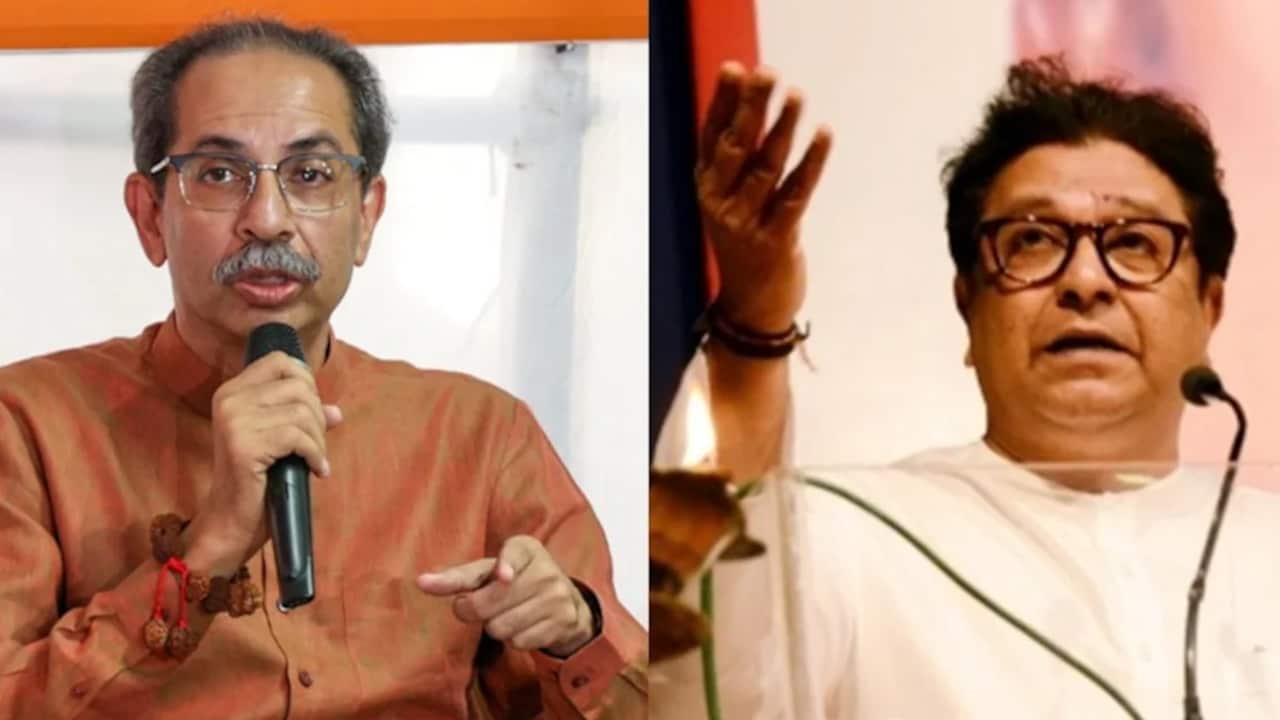
Uddhav and Raj Thackeray led a joint protest in Mumbai against CEC Gyanesh Kumar, demanding his resignation over alleged electoral roll irregularities. The march, joined by Congress and NCP (SP) leaders, notably eschewed party flags to emphasize a unified, inclusive stand.
The Virat Garjana: A Unified Front in Mumbai
In a rare and significant political display, estranged cousins Uddhav Thackeray of the Shiv Sena (UBT) and Raj Thackeray of the Maharashtra Navnirman Sena (MNS) joined forces on Sunday, October 4, 2026, to lead the 'Virat Garjana Morcha' (Grand Roar March) in Mumbai. This massive protest march, which commenced near Metro Cinema and proceeded toward the Brihanmumbai Municipal Corporation (BMC) headquarters, was directed against Chief Election Commissioner (CEC) Gyanesh Kumar. The central demand of the demonstration was the immediate resignation of the CEC, fueled by allegations that the Election Commission of India (ECI) has compromised its autonomy and become a tool for the ruling BJP.
Challenging Institutional Integrity
The protest stems from deep-seated grievances regarding the Special Intensive Revision of electoral rolls. Critics, including the Thackeray factions, Congress, and the NCP (SP), argue that the ECI has been involved in deceiving voters through systemic irregularities. By targeting the office of the CEC, the opposition is attempting to challenge the perceived erosion of institutional trust in India’s democratic machinery. The participants view the ECI not as a neutral arbiter of the electoral process, but as an entity that has strayed from its constitutional mandate, thereby threatening the fairness of future electoral outcomes.
A Symbolic Departure from Partisanship
Perhaps the most striking feature of the 'Virat Garjana Morcha' was the explicit decision to ban all party flags and symbols. By mandating that cadres carry only the Indian Tricolour, the organizers signaled a move to transcend traditional ideological boundaries. This strategic choice was intended to frame the protest as a non-partisan, patriotic duty rather than a typical political turf war. It highlights a concerted effort to broaden the movement's appeal, inviting citizens who may be disillusioned with party politics but remain deeply concerned about the state of democratic institutions.
Broad-Based Opposition Coalition
The involvement of state leaders from the Congress party and the Sharad Pawar-led NCP (SP) underscores a growing consolidation of opposition forces in Maharashtra. This alignment suggests that the perceived threat to electoral integrity is being used as a unifying catalyst to bridge historical divides between the Shiv Sena factions and their traditional allies. The presence of these diverse political actors at the march indicates a broader regional strategy to counter the BJP’s influence in the state by focusing on the perceived failures of central governance and oversight bodies.
Future Implications and Democratic Stability
Looking ahead, this protest sets a precedent for how regional parties might challenge central authorities in the future. If the accusations regarding the special electoral roll revision gain traction, it could lead to increased public pressure for radical electoral reforms or further transparency requirements for the ECI. The 'Virat Garjana' is likely to serve as a litmus test for opposition unity in Maharashtra, potentially signaling a shift toward more collaborative, protest-driven politics in the lead-up to future electoral cycles. Whether this momentum will force a change in the ECI's leadership or operations remains to be seen, but the march has undeniably placed the issue of institutional accountability at the forefront of the state's political discourse.
Verification Required?