Good-quality diets associated with better cholesterol levels even among those with genetic load
Source Entity
India Latest News: Top National Headlines Today & Breaking News | The Hindu
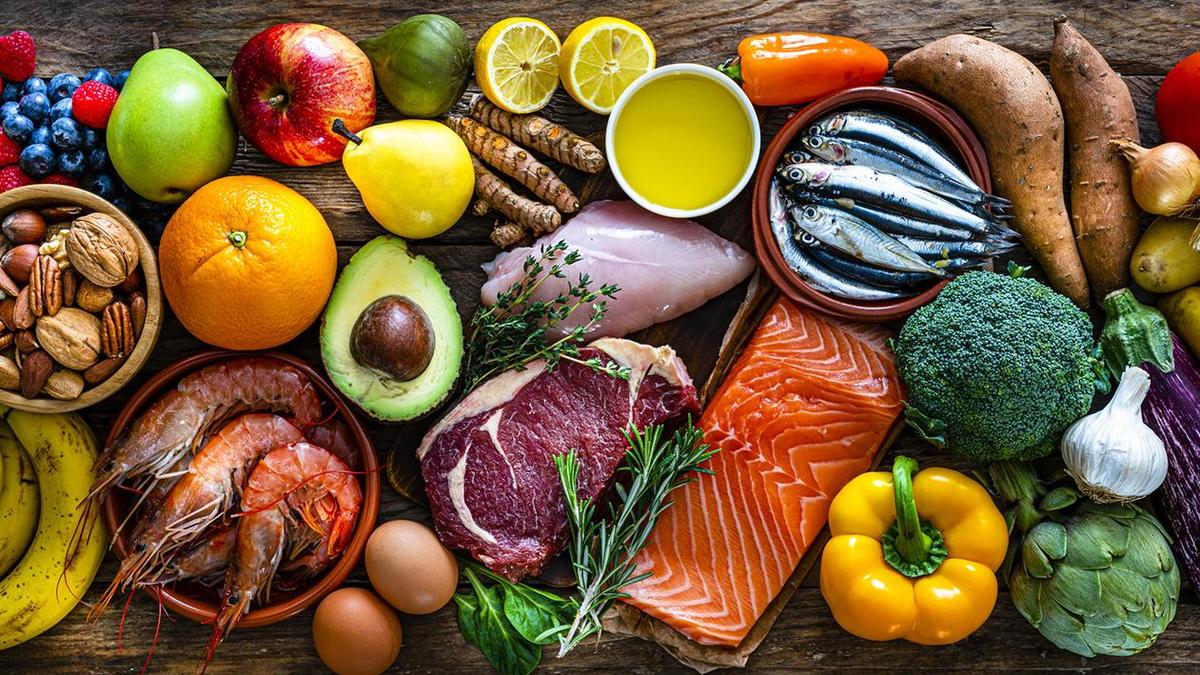
A new Chennai-based study confirms that a high-quality diet can mitigate the impact of genetic predispositions toward high cholesterol in Asian Indians. The research highlights the critical interplay between lifestyle choices and hereditary cardiovascular risk factors.
The Interplay of Genetics and Nutrition in Cardiovascular Health
A groundbreaking study conducted by the Madras Diabetes Specialties Centre in Chennai, in collaboration with the University of Reading, U.K., has provided definitive evidence that dietary quality significantly influences cholesterol levels, even in individuals with a high genetic predisposition. Published in the peer-reviewed journal PLOS ONE, this research—titled 'Low diet quality increases the genetic risk of high blood cholesterol levels in Asian Indian adults [CURES–165]'—offers a vital perspective on the management of cardiovascular health within the South Asian demographic.
Understanding the Asian Indian Genetic Predisposition
Asian Indians have long been observed to possess a unique cardiovascular disease profile, characterized by an increased vulnerability to metabolic issues. This study serves as a critical bridge in understanding how this specific genetic load interacts with environmental factors, primarily nutrition. By analyzing data from 1,020 adults, researchers were able to quantify how poor dietary habits exacerbate the underlying genetic markers that lead to dyslipidemia, or the imbalance of lipids such as cholesterol in the blood.
The Mechanism of Dietary Intervention
At the core of the findings is the concept of gene-diet interaction. While genetics may set the baseline for an individual’s cholesterol production and processing, the study suggests that the 'quality' of one's diet acts as a modifier. A high-quality diet—typically characterized by nutrient-dense, whole foods—appears to serve as a protective buffer, potentially silencing or downregulating the expression of genes that would otherwise lead to uncontrolled cholesterol levels.
Broader Clinical Implications
This research carries significant weight for public health policy in India and beyond. With cardiovascular disease remaining a leading cause of mortality, the ability to counteract genetic risk through accessible, lifestyle-based interventions is a powerful tool for clinicians. It shifts the narrative from viewing high cholesterol as an inevitable genetic fate to a manageable condition that can be influenced by daily nutritional choices.
Future Trends in Preventive Medicine
As medical science moves toward more personalized health strategies, these findings underscore the importance of integrating nutritional counseling into standard cardiovascular care. Future research will likely focus on identifying specific dietary patterns that offer the most robust protection for those with the highest genetic risk profiles. This study reinforces the fundamental truth that while we cannot change our DNA, our dietary habits remain a potent lever for improving our long-term quality of life.
Verification Required?