Ram Kapoor warns against relying on Ozempic alone for weight loss: ‘Sirf patle hote ho’
Source Entity
The Indian Express
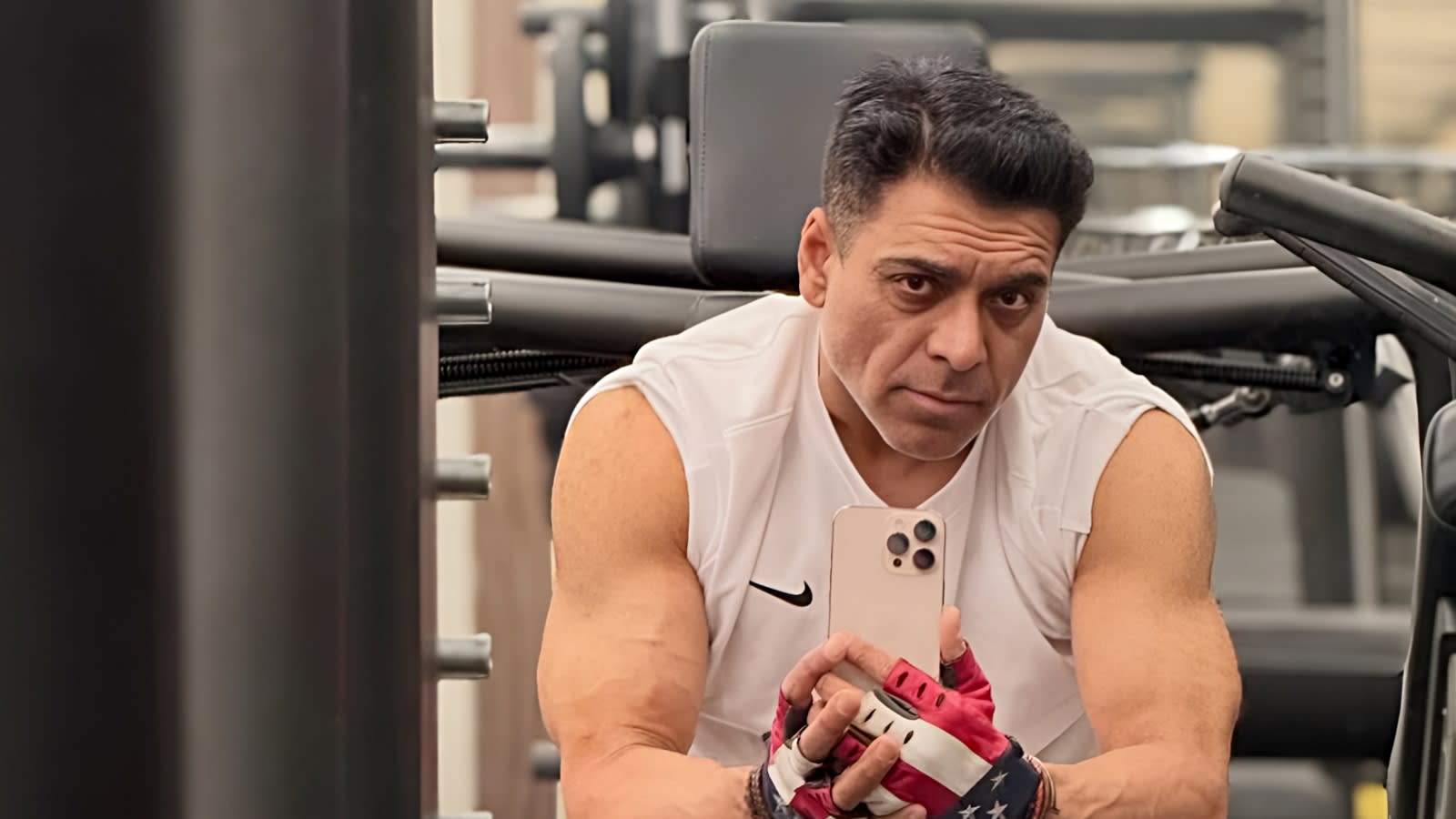
Actor Ram Kapoor emphasizes that weight-loss medications like Ozempic are not a substitute for exercise. He advocates for a disciplined approach to physical fitness, distinguishing between medical interventions and long-term health habits.
The Ozempic Phenomenon and the Myth of the 'Magic Pill'
In a recent discourse regarding modern weight-loss trends, actor Ram Kapoor has offered a stark reality check to the public. As the popularity of semaglutide-based medications like Ozempic continues to surge globally, Kapoor’s commentary serves as a crucial reminder that pharmaceutical interventions are not a panacea for health. His assertion that relying solely on medication leads to a superficial outcome—'sirf patle hote ho' (you only get thin)—highlights a growing concern among medical professionals that patients are prioritizing weight reduction over metabolic health and functional fitness.
The Intersection of Medication and Lifestyle
Kapoor’s perspective is rooted in his personal commitment to physical training, which he contrasts with his wife Gautami’s natural metabolism. By distinguishing between a 'workout-based' physique and one that is 'god-gifted,' Kapoor underscores a fundamental truth: weight management is rarely one-dimensional. While Ozempic is clinically proven to assist in weight loss by mimicking hormones that regulate appetite, it was originally designed for type 2 diabetes management. Using it strictly for cosmetic weight loss without pairing it with sustained physical activity ignores the cardiovascular and muscular benefits that only exercise can provide.
Why Exercise Remains Irreplaceable
Scientific consensus supports Kapoor's stance. While drugs can suppress appetite and lead to rapid caloric deficit, they do not replicate the systemic benefits of resistance and aerobic training. Exercise is essential for maintaining lean muscle mass, improving bone density, and regulating insulin sensitivity—factors that are often neglected when patients focus exclusively on the number on a scale. Kapoor’s blunt message acts as a counter-narrative to the 'quick-fix' culture that has permeated social media, where the ease of injectable treatments often overshadows the necessity of building an active lifestyle.
The Social and Medical Backlash
The conversation also touches upon the growing stigma surrounding the use of weight-loss drugs. As these medications become more accessible, they have become a focal point for societal debate regarding body image and the ethics of medical enhancement. Kapoor’s unapologetic stance on the matter suggests that while individuals have the autonomy to choose medical routes, they must also accept the limitations of those choices. The backlash often stems from the perceived 'shortcut' that these drugs offer, which can obscure the hard work required to maintain long-term, sustainable health.
Future Trends in Health and Wellness
Looking forward, the medical community will likely see a shift toward a 'hybrid' approach to weight management. The future of fitness will not be about choosing between pharmaceuticals or exercise, but rather integrating both under strict medical supervision. As public figures like Ram Kapoor continue to speak openly about their fitness journeys, the narrative is slowly shifting back toward holistic well-being. The ultimate goal remains the same: a healthy, functional body that is achieved through discipline, informed medical guidance, and consistent movement.