CJP’s Abhijeet Dipke apologises to Diljit Dosanjh as singer slams him for mocking Satluj
Source Entity
The Indian Express
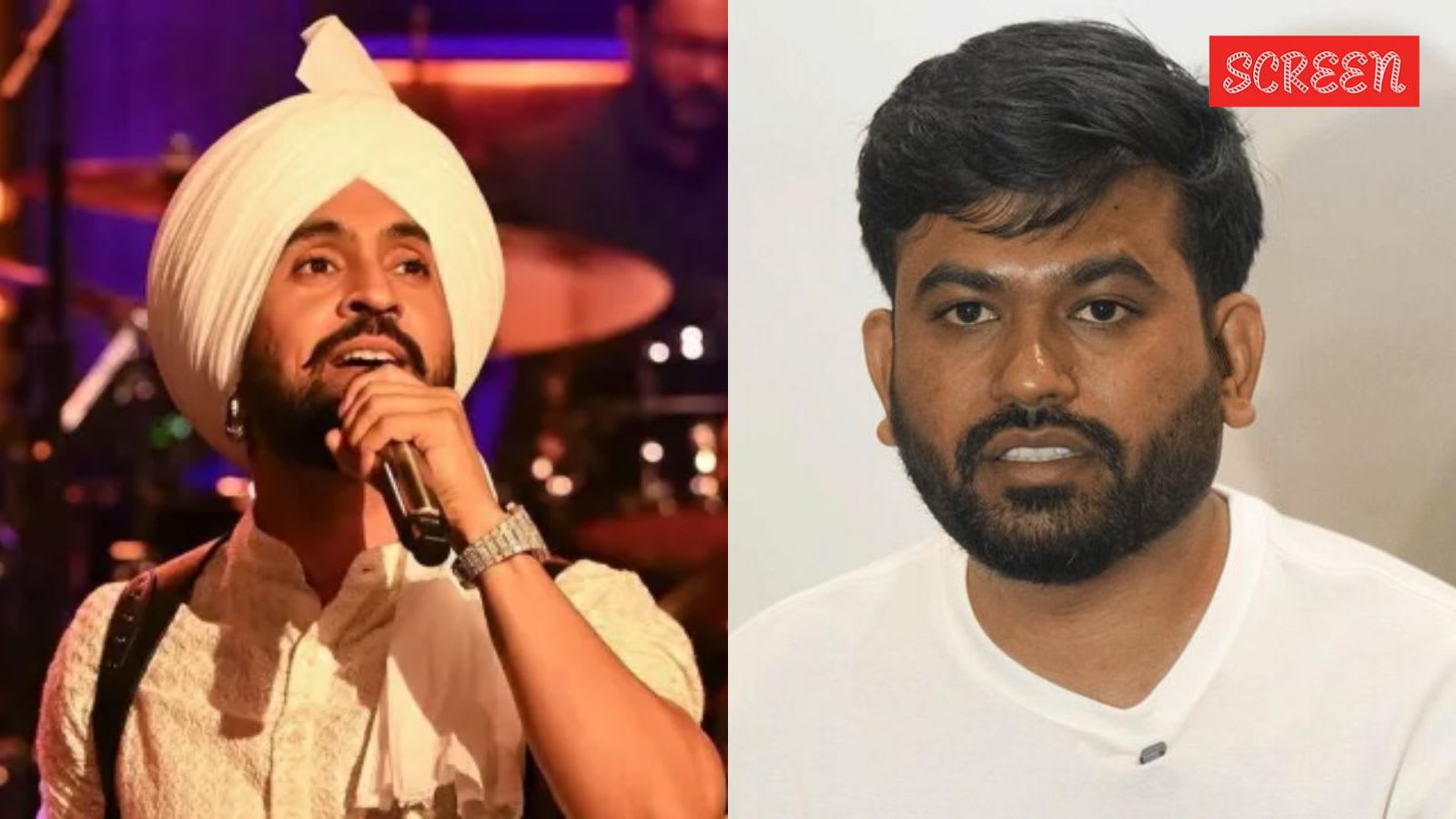
Singer Diljit Dosanjh addressed criticism from CJP's Abhijeet Dipke regarding his silence on the NEET paper leak protests. Dipke subsequently issued a public apology after Dosanjh defended his artistic integrity and recent film projects during a Delhi concert.
The Intersection of Art and Activism: Analyzing the Dosanjh-Dipke Controversy
The Catalyst: NEET Protests and Artistic Silence
The recent public friction between globally renowned singer-actor Diljit Dosanjh and Abhijeet Dipke of the Cockroach Janta Party (CJP) underscores a growing societal expectation for celebrities to leverage their massive platforms for political advocacy. The controversy ignited when Dosanjh, when queried by a fan about the NEET paper leak protests in Delhi, responded by stating, "I am just an artist." This neutral stance, while common in the entertainment industry to avoid polarization, drew sharp ire from critics like Dipke, who perceived the silence as a dereliction of civic duty during a period of intense student agitation.
The Confrontation at the Jawaharlal Nehru Stadium
During his high-profile concert at the Jawaharlal Nehru Stadium in Delhi, Dosanjh utilized his platform to address the criticism head-on. Without explicitly naming Dipke or the CJP, the artist delivered a pointed message, asserting that "no one should be teaching Punjabis to fight." This statement was not merely a defense of his personal choices but a broader commentary on the cultural identity and resilience of the Punjabi community. By linking his artistic output—specifically his film Satluj, which focuses on human rights activist Jaswant Singh Khalra—to his identity, Dosanjh challenged the notion that his artistic endeavors are disconnected from social consciousness.
The Dynamics of Public Apology
The fallout from the concert led to a significant shift in the narrative when Abhijeet Dipke issued a public apology via Instagram. By referring to himself as a "younger brother" to Dosanjh, Dipke attempted to de-escalate the tension. This move highlights the precarious nature of public discourse in the social media era, where political figures often challenge celebrities to gain visibility, only to face potential backlash from the artist's massive and loyal fanbase.
Artistic Identity vs. Political Accountability
This incident serves as a microcosm of a larger, ongoing debate regarding the role of public figures in political discourse. While fans often demand that their idols take stands on sensitive issues like the NEET paper leak, artists frequently balance the need for social relevance against the risk of alienating segments of their audience. Dosanjh’s defense of his work on Jaswant Singh Khalra highlights that he does engage with serious sociopolitical themes through his art, suggesting that his "artist-first" stance is a refusal to be reduced to a political talking point.
Looking Ahead: The Future of Celebrity Advocacy
As the line between entertainment and political activism continues to blur, we can expect more such confrontations. The resolution of this specific spat—marked by a public apology—suggests that while celebrities may face pressure to speak out, they retain the power to dictate the terms of their engagement. Moving forward, the industry will likely see a trend where artists are more selective about when and how they address political issues, ensuring their contributions remain aligned with their personal creative narratives rather than being forced by external political actors.