From lemon juice to toothpaste: Dermatologist Dr Akriti Gupta explains why DIY pigmentation hacks can be risky
Source Entity
Latest News: Today's Latest News Headlines from India & World | Hindustan Times | Hindustan Times
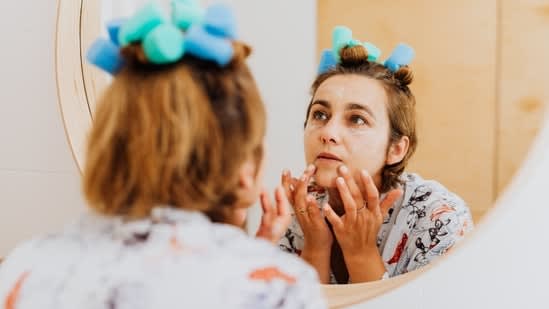
Dermatologist Dr Akriti Gupta warns against using DIY skincare hacks like lemon juice and toothpaste to treat pigmentation. She emphasizes that these social media trends can be harmful and that professional guidance is essential for safe skin treatment.
The Perils of Viral Skincare: Analyzing the Risks of DIY Pigmentation Hacks
In the current digital landscape, social media platforms have become primary sources of beauty and wellness advice, often bypassing traditional medical consultation. A growing trend involves the promotion of "quick-fix" skincare hacks that claim to fade dark spots and pigmentation almost overnight. However, Dr. Akriti Gupta, the founder and chief dermatologist at Jivisha Clinic in New Delhi, warns that these DIY remedies—ranging from lemon juice to toothpaste—can be significantly more harmful than the skin concerns they intend to treat.
The Allure of the "Natural" Quick Fix
Many consumers are drawn to home remedies like potato juice, lemon, and homemade face masks because they are perceived as safe, inexpensive, and "natural." The narrative pushed by online influencers suggests that these household items are benign alternatives to clinical treatments. This perception is dangerous because it conflates "natural" with "safe." While these ingredients are harmless when consumed as food, applying them directly to the skin's delicate barrier can trigger adverse reactions that a non-professional would not be equipped to handle.
Chemical Risks of Common Household Ingredients
Specific ingredients mentioned by Dr. Gupta, such as lemon juice and toothpaste, pose distinct chemical risks. Lemon juice is highly acidic and can lead to severe skin irritation or photosensitivity; when exposed to sunlight, it can cause a reaction that may actually darken the skin or cause chemical burns. Similarly, toothpaste is formulated for tooth enamel, not the sensitive skin of the face. Its ingredients can act as harsh irritants, leading to contact dermatitis or localized burns, proving that the cost-saving nature of DIY hacks often comes with a high price in terms of skin health.
The Complexity of Pigmentation
One of the most critical points raised by Dr. Gupta is that pigmentation is not a "one-size-fits-all" condition. Hyperpigmentation can manifest in various forms, such as melasma, post-inflammatory hyperpigmentation (PIH), or solar lentigines, each with different underlying causes and triggers. By applying a generic remedy found on social media, users are treating their skin blindly. Without a proper diagnosis, a person might use an ingredient that exacerbates their specific type of pigmentation or damages their skin barrier further.
The Necessity of Professional Dermatological Care
To achieve safe and effective results, professional intervention is indispensable. At Jivisha Clinic, the approach emphasizes a personalized skincare routine over generic trends. Clinical treatments are grounded in dermatological science and are tailored to the individual's skin type, medical history, and the specific nature of their pigmentation. This professional oversight ensures that active ingredients are used in stable, controlled concentrations, eliminating the volatility associated with homemade mixtures.
Broader Implications of "Skin-fluencing"
The rise of "skin-fluencing" highlights a widening gap between the accessibility of information and the accuracy of medical advice. When users prioritize convenience and cost over professional expertise, they risk long-term dermal damage that may require extensive and expensive clinical intervention to repair. This trend underscores an urgent need for public education regarding the difference between cosmetic experimentation and medical skincare, urging users to verify viral claims with certified healthcare providers.
Conclusion
While the promise of fading dark spots instantly is enticing, the risks associated with DIY pigmentation hacks far outweigh the potential benefits. As Dr. Akriti Gupta emphasizes, the skin is a complex organ that requires specialized care. Prioritizing professional dermatological consultation over viral social media trends is the only reliable way to ensure skin health and achieve lasting, safe improvements in skin tone.
Verification Required?