Dermatologists explain how to keep your feet healthy in monsoon
Source Entity
Latest News: Today's Latest News Headlines from India & World | Hindustan Times | Hindustan Times
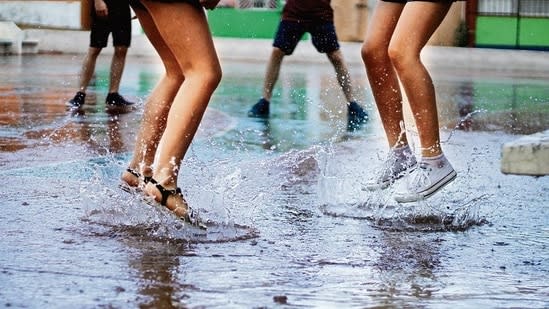
Dermatologists warn that monsoon humidity and contaminated rainwater significantly increase the risk of fungal infections and blisters. Experts emphasize the importance of keeping feet clean and dry to combat bacteria and road grime.
Navigating Foot Health During the Monsoon Season
While the arrival of the monsoon provides a much-needed respite from the scorching summer heat, it introduces a specific set of dermatological challenges that are often ignored. Most individuals prioritize umbrellas and raincoats, yet the feet—which are in direct contact with the environment—remain highly vulnerable. The combination of constant moisture, fluctuating temperatures, and environmental pollutants creates a high-risk scenario for skin integrity, leading to a variety of preventable infections and irritations.
The Danger of Contaminated Urban Waterways
One of the most critical risks identified by experts is the composition of rainwater in urban settings. Walking through puddles does not simply mean contact with water; it involves exposure to a hazardous mixture of mud, sewage, road grime, and various chemical runoff. These contaminants can penetrate the skin's natural barrier, especially if there are pre-existing micro-cuts or blisters. When these pollutants linger on the skin, they can trigger contact dermatitis or secondary bacterial infections, making thorough cleansing after exposure a medical necessity rather than a mere hygiene preference.
Humidity and the Biological Breeding Ground
The role of atmospheric humidity during the rainy season cannot be overstated. High humidity levels impede the natural evaporation of sweat and rainwater from the skin, leading to a state of prolonged dampness. This moisture-rich environment is the ideal breeding ground for fungi and bacteria. As noted by Dr. Saurabh Shah of Saifee Hospital, when feet remain wet for extended periods, the skin becomes softened and more permeable, which significantly lowers the threshold for fungal pathogens to colonize the skin and nail beds.
The Impact of Improper Footwear
Footwear choice during the monsoon often focuses on waterproofing, but internal moisture is equally problematic. Sweaty footwear, combined with the external humidity, creates a warm, damp micro-climate inside the shoe. This environment accelerates the growth of tinea pedis (athlete's foot) and other fungal infections. The friction caused by wet skin rubbing against the interior of a shoe also increases the likelihood of blisters, which then serve as entry points for the aforementioned urban contaminants found in rainwater.
Long-term Implications and Preventive Trends
If left unaddressed, monsoon-related foot issues can evolve from simple irritations into chronic fungal infections that are difficult to treat and prone to recurrence. There is a growing trend toward the use of specialized antifungal powders and breathable, quick-drying materials in footwear to mitigate these risks. Experts suggest that a proactive approach—focusing on immediate drying and the use of antimicrobial agents—can prevent the systemic spread of infections and maintain the skin's protective barrier throughout the season.
Summary of Expert Recommendations
In conclusion, maintaining foot health during the monsoon requires a dual strategy: protecting the feet from external contaminants and managing internal moisture. By recognizing that puddles are carriers of sewage and chemicals and that humidity is a catalyst for fungal growth, individuals can take necessary steps to keep their feet clean and dry. Prioritizing foot hygiene as much as one prioritizes rain gear is essential for avoiding the common pitfalls of the rainy season.
Verification Required?