DK Shivakumar's 'Sting Op Using Meta Glasses' Charge Against Industrialist
Source Entity
NDTV News Search Records Found 1000
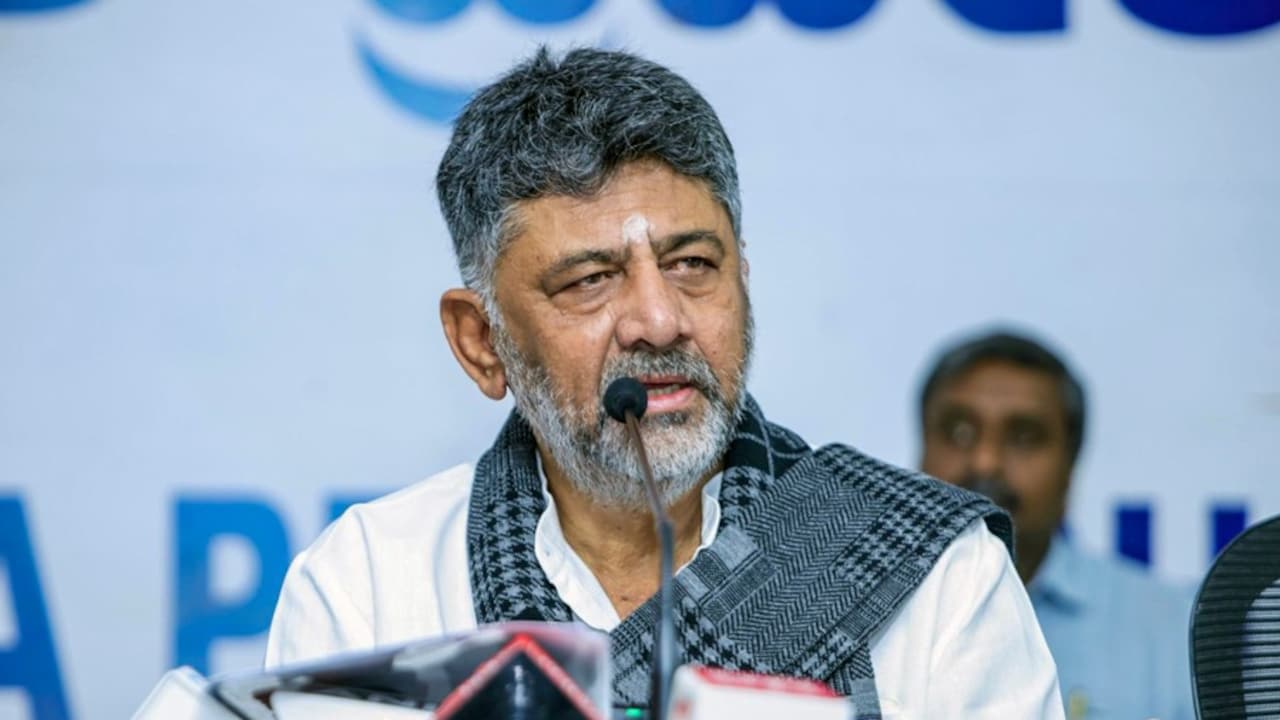
Karnataka Deputy CM D.K. Shivakumar has alleged an attempted sting operation by an unidentified businessman using Meta AI glasses. The Congress high command has directed a formal inquiry into the incident while expressing concern over the public nature of his accusations.
Allegations of Surveillance and Political Intrigue in Karnataka
Karnataka Deputy Chief Minister D.K. Shivakumar has ignited a significant political controversy by alleging that an unidentified industrialist attempted to conduct a 'sting operation' against him using advanced wearable technology. According to the claims, the individual in question was wearing Meta AI glasses during a meeting with the Deputy CM and Kerala Chief Minister V.D. Satheesan. This incident highlights the growing intersection of consumer-grade surveillance technology and high-stakes political maneuvering, where the line between personal interaction and covert recording becomes increasingly blurred.
The Role of Wearable Technology in Political Discourse
The specific mention of 'Meta AI glasses'—a device capable of discreetly capturing video and audio—raises critical questions regarding the ethics of political engagement and the security protocols surrounding public officials. Mr. Shivakumar’s suspicion was reportedly piqued by the inconsistency of the visitor’s behavior; he noted that the same individual appeared without the eyewear during subsequent meetings with other high-profile figures, such as Andhra Pradesh Chief Minister N. Chandrababu Naidu. This observation suggests a calculated attempt to utilize specific technical features in a targeted environment, turning everyday gadgets into tools of political espionage.
Internal Party Dynamics and Governance
Following these public revelations, the Congress high command has intervened, explicitly directing Mr. Shivakumar to initiate a formal inquiry into the alleged sting operation. This development underscores the internal pressure within the party, as leadership has reportedly expressed dissatisfaction with the Deputy CM’s decision to air these suspicions in the media before exhausting formal investigative channels. The incident serves as a reminder of the delicate balance between public transparency and the necessity of maintaining internal party discipline when dealing with sensitive security allegations.
The Implications of Unverified Claims
While the allegations remain unconfirmed and the identity of the industrialist has not been disclosed, the situation demonstrates how rapidly narratives can circulate in the modern digital landscape. By taking his suspicions to a Kannada television channel, Mr. Shivakumar has shifted the focus from a potential security breach to a public debate on political ethics. The failure to immediately provide concrete evidence or identify the suspect leaves the narrative in a state of flux, necessitating a thorough and objective investigation to separate fact from speculation.
Future Trends in Political Security
This event is likely to serve as a catalyst for revised security protocols for high-ranking officials across India. As wearable AI becomes more accessible and common, political offices will likely need to implement stricter entry requirements regarding electronic devices. Moving forward, the investigation ordered by the Congress high command will be pivotal in determining whether this was a genuine attempt at surveillance or a misunderstanding fueled by heightened political tensions. The outcome will likely shape how Indian politicians approach meetings with private sector representatives in the future, potentially leading to a more formalized and guarded environment for political discourse.
Verification Required?