Why dogs catch yawns from their owners but not other dogs
Source Entity
Latest News: Todays Latest News Headlines from India & World | Hindustan Times | Hindustan Times
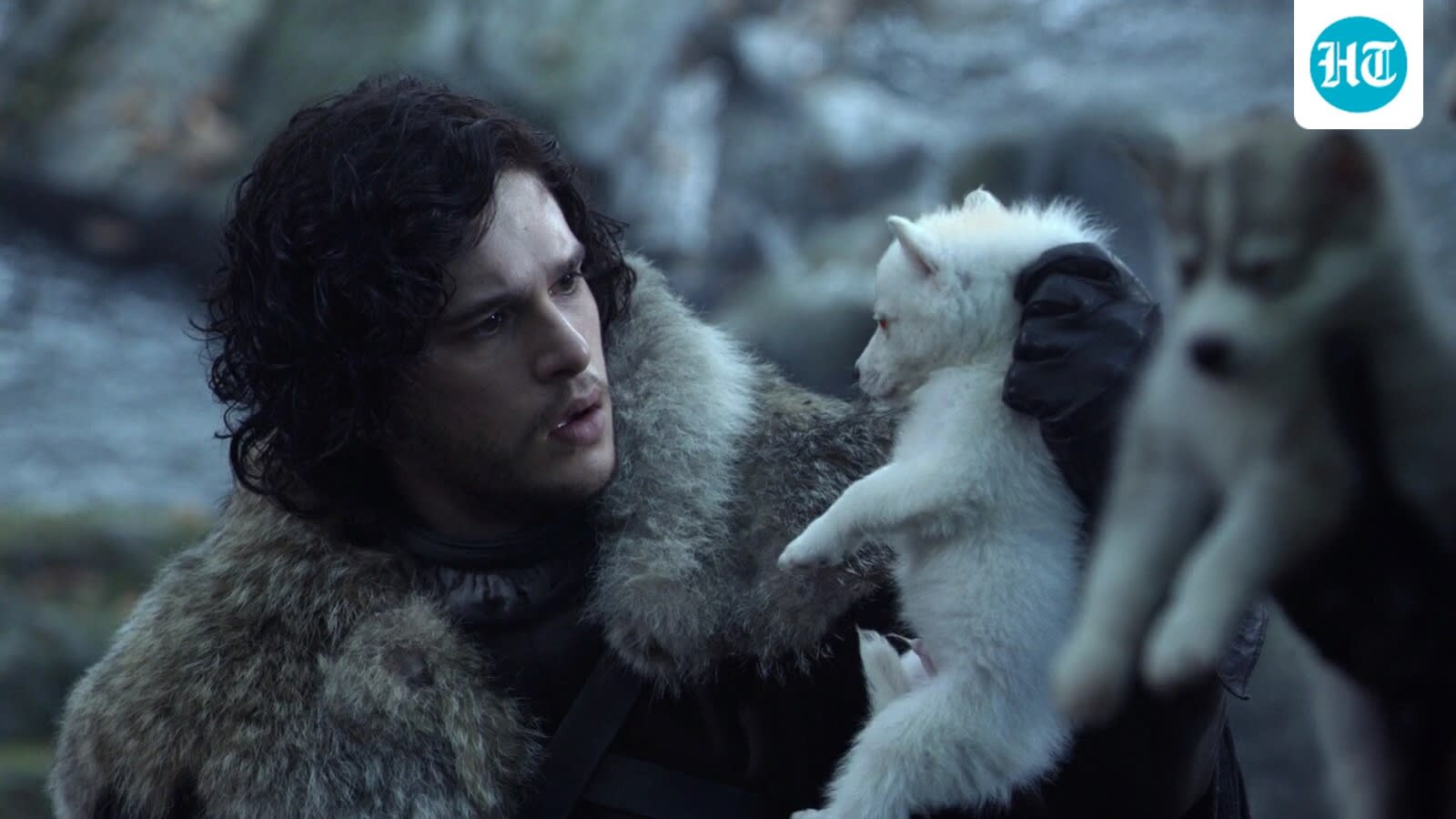
Research suggests that contagious yawning in dogs is a byproduct of domestication, serving as a social bonding mechanism. Unlike wolves, dogs have evolved to mirror the behaviors of their human owners to strengthen interspecies cohesion.
The Science of Contagious Yawning: A Human-Canine Connection
Contagious yawning is a widely documented phenomenon across the animal kingdom, observed in species ranging from chimpanzees and elephants to pigs and parrots. While the biological function of this reflexive mimicry remains a subject of scientific debate, the prevailing hypothesis is that it serves as a form of 'behavioral mirroring.' This mechanism is believed to be essential for strengthening social bonds and maintaining group cohesion, allowing individuals to subconsciously align their states of arousal and alertness.
The Role of Social Familiarity
In species like chimpanzees, the frequency of contagious yawning is significantly higher among individuals who share established social relationships. This suggests that the behavior is not merely a reflexive reaction to external stimuli, but a nuanced social signal. By mimicking the actions of their peers, animals reinforce their membership within a group, signaling empathy or social awareness. This social component is crucial for understanding why certain animals yawn in response to their companions while remaining indifferent to others.
Domestication and the Canine Shift
Dogs, which are direct descendants of wolves, present a unique case study in evolutionary psychology. While their ancestors, the wolves, exhibit contagious yawning as a trait within their own packs, domestic dogs have shifted this behavior toward their human companions. Research indicates that dogs are significantly more likely to catch a yawn from their owners than from fellow canines. This shift highlights a profound behavioral adaptation that occurred throughout the process of domestication, where the primary social unit for the dog transitioned from the wolf pack to the human family.
Historical and Cultural Context
To understand the depth of this bond, one can look at the cultural archetypes of the wolf. In literature, such as George R.R. Martin's Game of Thrones, the dire wolf is depicted as a legendary companion deeply linked to the Stark family. While fictional, these representations mirror the real-world reality of the canine-human bond, where dogs act as loyal companions and symbols of identity. This cultural connection underscores the reality that dogs have evolved to prioritize human cues as the primary indicator of their social environment.
Future Implications for Interspecies Communication
As we continue to study the domestic dog, it becomes clear that their ability to mirror human behavior is a direct result of thousands of years of co-evolution. This behavioral mirroring acts as a bridge, allowing for a level of communication that transcends vocalization. Future research into this field may further clarify how domestication has rewired the canine brain to perceive humans not just as masters, but as primary social partners whose physiological states—such as yawning—are worthy of emulation.
Conclusion
In summary, the phenomenon of contagious yawning in dogs is a fascinating example of how domestication has fundamentally altered animal behavior. By moving away from pack-based signaling and toward human-centric social mirroring, dogs have secured their role as our most intimate animal companions. This evolutionary adaptation serves as a testament to the enduring and complex nature of the human-dog relationship.
Verification Required?