US investigates over 400 suspected noncitizens registered to vote in Washington
Source Entity
Latest News: Todays Latest News Headlines from India & World | Hindustan Times | Hindustan Times
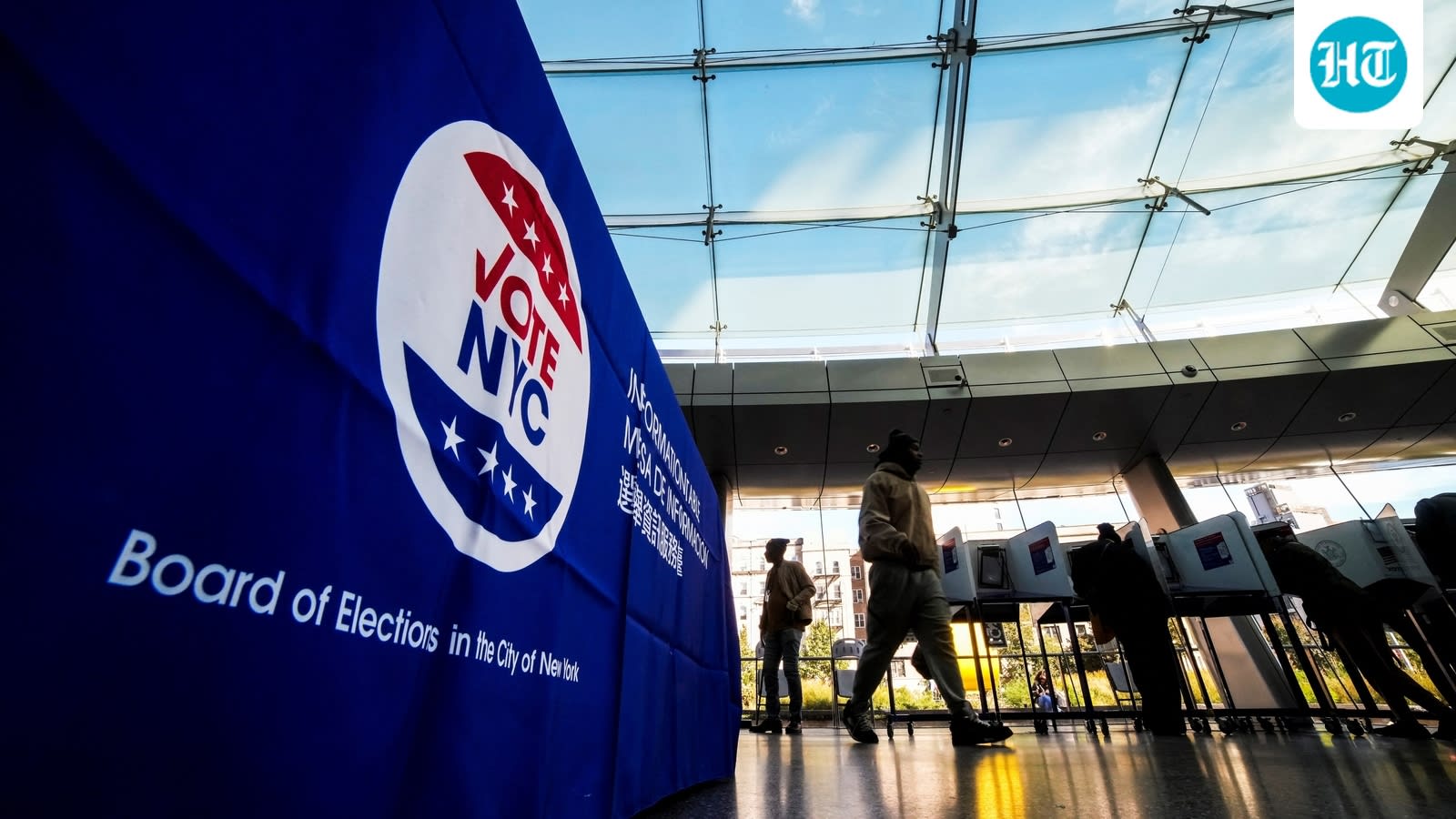
The U.S. Department of Justice and ICE are investigating over 400 suspected noncitizens registered to vote in Washington state. Authorities have flagged approximately 1,500 instances of ballots cast by these individuals to ensure election integrity.
Federal Investigation into Washington Voter Registration
The U.S. Department of Justice (DOJ) and Immigration and Customs Enforcement (ICE) have launched a formal investigation into the registration of over 400 suspected noncitizens on Washington state's electoral rolls. This development highlights a critical intersection between federal immigration oversight and the maintenance of state-level voter registration databases. Federal authorities are currently working to verify the citizenship status of these individuals, signaling a rigorous push to ensure that only eligible voters participate in American elections.
The Scope of the Investigation
According to official disclosures, the investigation is not limited to mere registration; it encompasses approximately 1,500 instances where ballots were allegedly cast by these individuals across multiple election cycles. By requesting that Washington state officials set aside these specific ballots until citizenship status is confirmed, federal investigators are attempting to mitigate potential irregularities. This proactive measure is part of a broader mandate to protect the integrity of the electoral process against unauthorized participation.
Legal Framework and Federal Oversight
Under current U.S. federal election law, noncitizens are strictly prohibited from voting in federal elections. The involvement of Homeland Security Investigations (HSI) and the DOJ underscores the gravity with which the government views these allegations. By warning that individuals violating these laws will be held accountable, federal agencies are reinforcing the legal boundaries that define civic participation in the United States, emphasizing that citizenship remains the primary threshold for voting rights.
Data Discrepancies and Database Integrity
This investigation raises significant questions regarding the synchronization between state voter registration systems and federal immigration databases. The identification of 400 suspected noncitizens suggests a failure in the cross-referencing mechanisms that are intended to purge ineligible voters from state rolls. As authorities continue their inquiry, the focus will likely shift toward identifying how these registrations occurred and whether systemic vulnerabilities exist within the registration process that allowed noncitizens to bypass existing safeguards.
Broader Implications for Election Security
Beyond the specific numbers in Washington, this case serves as a focal point for the national discourse on election security. The push to verify citizenship status before ballots are finalized reflects a growing emphasis on administrative accuracy in electoral systems. As the investigation progresses, it will likely serve as a case study for how state and federal entities coordinate to identify and resolve discrepancies, potentially prompting legislative or procedural reforms to prevent future occurrences of noncitizen voting registration.
Conclusion and Future Outlook
As the DOJ and ICE continue their work, the immediate priority remains the verification of the flagged ballots to ensure that the electoral outcome reflects the will of eligible voters. The resolution of this investigation will be a critical test of existing inter-agency cooperation. Moving forward, authorities will likely prioritize the strengthening of data-sharing protocols to ensure that state election officials have real-time access to accurate citizenship data, thereby preventing the registration of noncitizens in future election cycles.
Verification Required?