Karnataka SIR: 64.5 lakh voters potentially missing in rolls, majority of them young
Source Entity
India Latest News: Top National Headlines Today & Breaking News | The Hindu
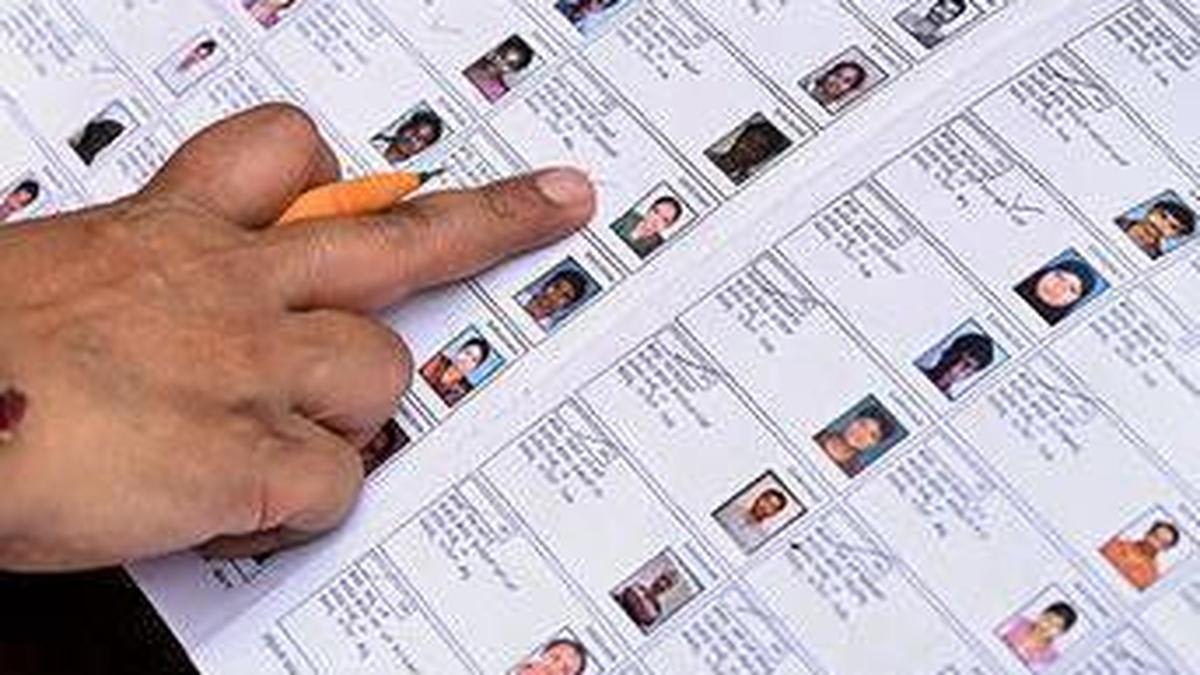
Karnataka's recent electoral roll revision has sparked controversy after data revealed 6.45 million potential voters, mostly youth, are missing. While the state government defends the process as legitimate, internal party friction persists regarding the exclusion of voters marked as absent.
Karnataka Electoral Roll Controversy: An Analysis of the SIR Process
Following the conclusion of the Special Intensive Revision (SIR) exercise on October 27, 2026, the office of the Karnataka Chief Electoral Officer (CEO) released data indicating a significant discrepancy in voter registration. The report highlights that approximately 64.5 lakh potential electors are missing from the final electoral rolls. This figure is derived from the Elector-to-Population (E-to-P) ratio of 66.11, a metric used to gauge the comprehensiveness of voter enrollment relative to the state's total population.
The Youth Demographic Gap
Perhaps the most concerning aspect of the SIR data is the age distribution of the under-enrolled population. Of the 64.5 lakh individuals potentially missing from the rolls, roughly 38.41 lakh—or 59.5%—fall within the 18 to 29 age bracket. This trend suggests a systemic barrier in capturing the youth vote, a critical segment of the electorate. The failure to integrate this demographic into the formal voting process raises questions about outreach efficacy and the accessibility of registration platforms for younger citizens who may be more mobile or less engaged with traditional bureaucratic processes.
Political Defense and Internal Friction
In the wake of the data release, the political discourse in Karnataka has become polarized. State minister Satish Jarkiholi has publicly defended the deletion of 9.93 million names during the SIR, characterizing the process in Karnataka as a model of legitimacy. Jarkiholi argued that the state's methodology, shaped by rigorous training and political oversight, should serve as a template for other states like West Bengal, Maharashtra, and Bihar. He maintained that the Congress party’s criticisms remain focused on the electoral procedures in those other states, rather than the process within Karnataka.
Divergent Perspectives within the Congress Party
Despite the ministerial defense, the narrative is not monolithic. Karnataka Congress chief B K Hariprasad has expressed significant reservations, specifically questioning the exclusion of voters classified as 'absent' during the revision exercise. This internal tension highlights the complexities of electoral roll management, where the balance between maintaining a 'clean' roll—free of duplicate or deceased voters—and ensuring maximum franchise is consistently contested.
Broader Implications for Electoral Integrity
The controversy serves as a microcosm of the challenges facing India’s electoral machinery. The reliance on the E-to-P ratio provides a statistical framework for transparency, but it also invites scrutiny regarding how population estimates are utilized. When millions of potential voters are identified as missing, it triggers an immediate debate on whether the state is failing in its duty to register citizens or if the population estimates themselves require recalibration. As the state moves forward, the pressure to reconcile these figures will likely remain a focal point for both opposition parties and civil society organizations advocating for voter inclusivity.
Future Trends and Conclusion
Looking ahead, the Karnataka model of electoral revision will likely face increased calls for audit and verification, particularly concerning the 'absent' category. If the state cannot effectively bridge the gap for the 18-29 age demographic, it risks disenfranchising a major pillar of its future electorate. The resolution of these discrepancies will be essential for ensuring public trust in the democratic process and for setting a standard that other states may eventually be forced to adopt to ensure election integrity.
Verification Required?