Israel poll results deadlocked amid historic showing by Arab parties
Source Entity
AP
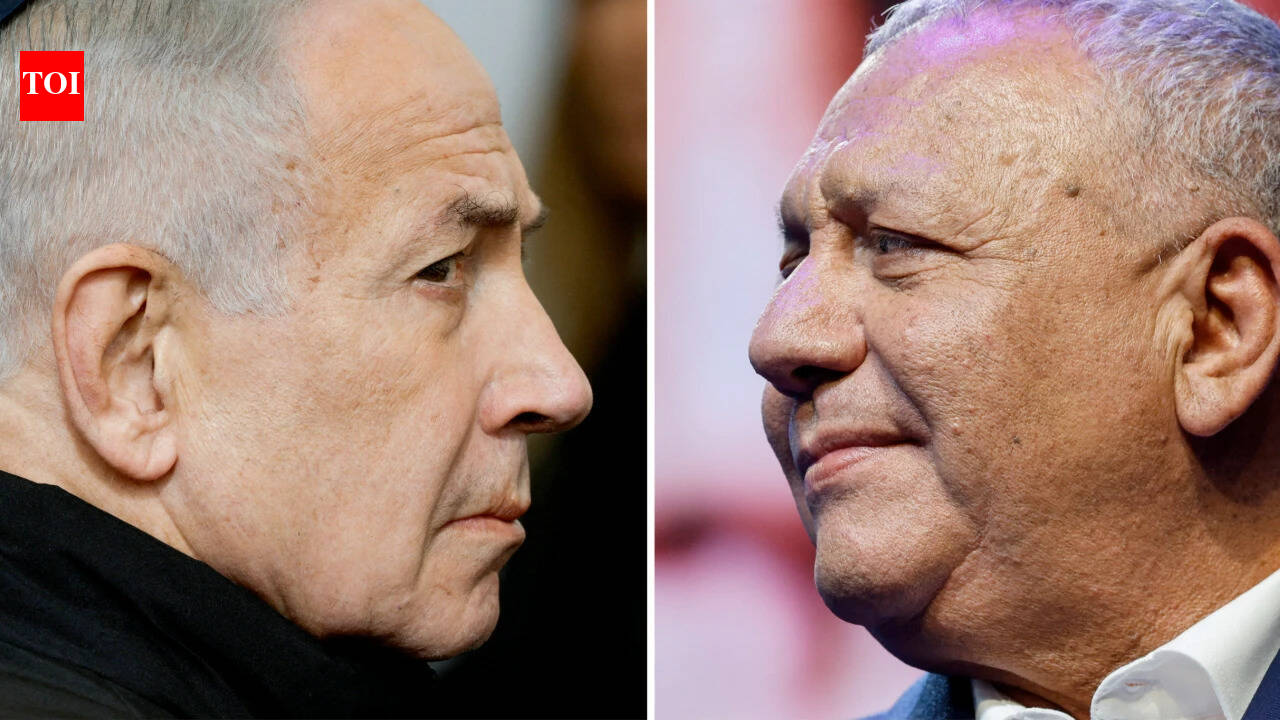
Israel faces a pivotal election on October 27, pitting incumbent Benjamin Netanyahu against former army chief Gadi Eisenkot. The contest reflects deep national divisions over security failures following the October 7 attacks and the future of Israeli leadership.
The Crossroads of Israeli Governance: October 27 Election
Israel is bracing for a watershed political moment on October 27, an election that serves as an ultimate referendum on the long-standing tenure of Prime Minister Benjamin Netanyahu. For decades, Netanyahu has maintained a grip on the Israeli political landscape by cultivating a persona as the nation's indispensable 'Mr. Security.' However, the unprecedented Hamas attack on October 7, 2023, has fundamentally shattered this narrative, exposing critical vulnerabilities in the national security apparatus and forcing a public reckoning regarding government accountability.
The Rise of Gadi Eisenkot
Emerging from the shadow of the military establishment, Gadi Eisenkot has rapidly transformed from a political outlier into the most formidable challenger to Netanyahu’s Likud party. A former chief of staff who served under Netanyahu from 2015 to 2019, Eisenkot represents a stark departure from the current administration’s approach. Leading the Yashar party, his rise has been meteoric; polling data indicates his party could secure 20 to 23 seats in the 120-seat Knesset, effectively outpacing Likud in current projections. His potential victory would be historic, as he would become Israel’s first Mizrahi prime minister, marking a significant shift in the nation’s political demographics.
Security as the Primary Ballot Issue
The central tension of this election cycle revolves around the state’s security failures. The October 7 attacks and the subsequent multi-front conflicts involving Hezbollah in Lebanon have placed the Netanyahu government under intense scrutiny. While Netanyahu continues to employ his traditional campaign playbook, emphasizing his experience and strength, the electorate appears increasingly focused on the failures that led to the current security crisis. This shift in public sentiment has provided the oxygen for Eisenkot’s campaign to gain traction among voters seeking a change in leadership.
The Arithmetic of Power
Despite the surge in support for Eisenkot, the path to forming a government remains fraught with difficulty. Current polling suggests a fragmented Knesset, where neither Netanyahu’s traditional bloc nor the anti-Netanyahu coalition is currently projected to reach the 61-seat threshold required for a governing majority. This mathematical reality points toward a potential period of prolonged political instability, where the ability to build consensus across a deeply divided parliament will be just as important as the election results themselves.
Historical and Social Implications
Eisenkot’s candidacy is not merely about security policy; it carries profound implications for Israeli society. As a son of Moroccan immigrants, his ascent underscores a evolving narrative in Israeli politics regarding representation and the influence of the Mizrahi community. His background as a career military officer provides him with the credentials to challenge Netanyahu on the very terrain—national security—that the Prime Minister once claimed as his exclusive domain.
Conclusion: A Nation in Transition
The October 27 election represents more than just a contest between two individuals; it is a test of whether the Israeli public is prepared to move past the 'Mr. Security' era. With the country navigating the aftermath of the October 7 crisis and ongoing regional hostilities, the outcome will dictate the nation's strategic direction for years to come. Whether the electorate chooses to maintain the status quo or embrace the military-backed reformist agenda of Gadi Eisenkot, the result will be a defining chapter in modern Israeli history.
Multiple Citing Sources