Members of EAC-PM meet House panel, flag costs of staggered polls
Source Entity
The Indian Express
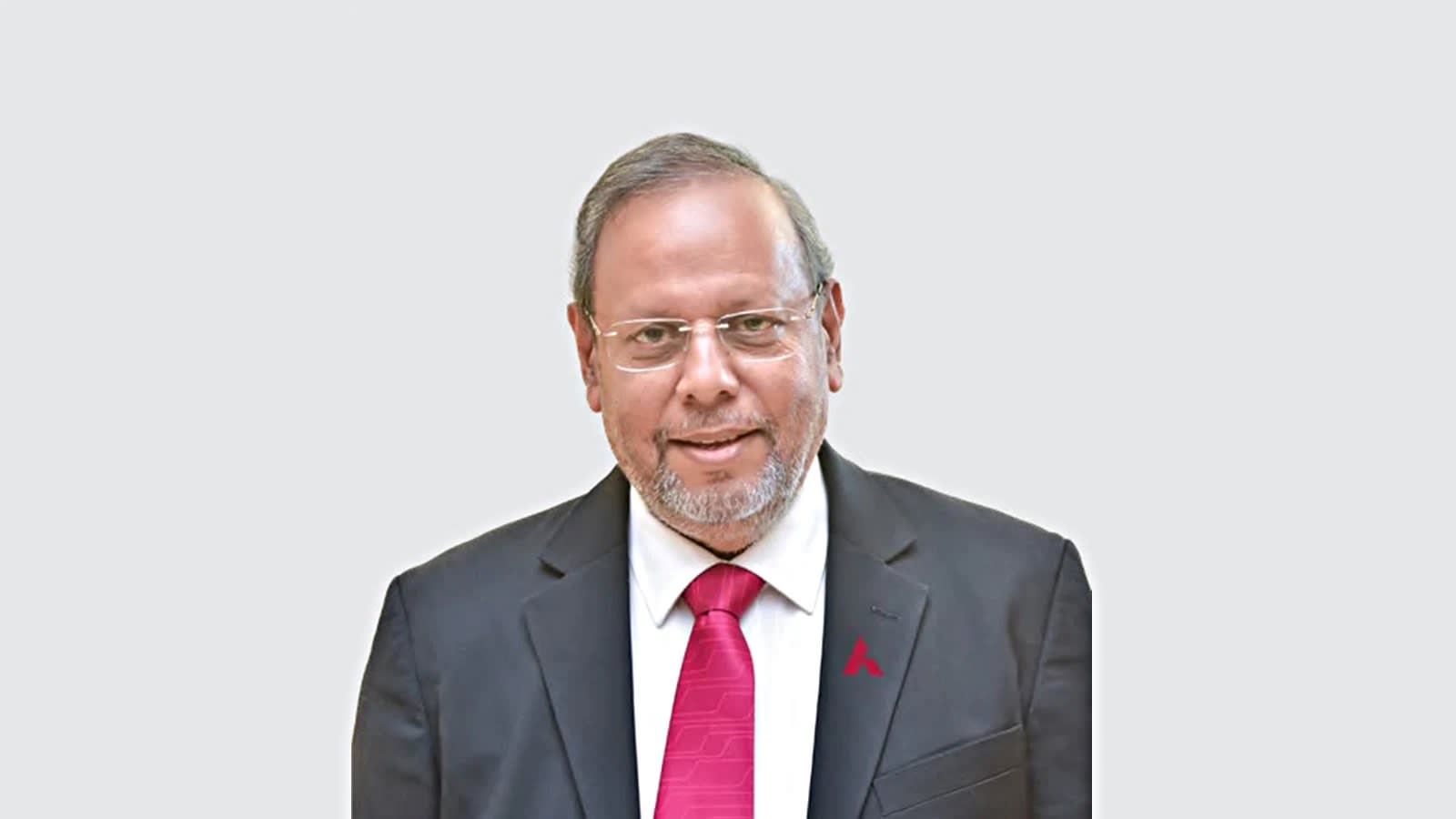
Members of the EAC-PM have advised a parliamentary panel that India's current system of staggered elections negatively impacts private investment. The experts argued that frequent poll cycles create economic instability that discourages long-term capital allocation.
Economic Implications of Staggered Elections
The Economic Advisory Council to the Prime Minister (EAC-PM) recently provided testimony to a Joint Parliamentary Committee regarding the proposed 'One Nation, One Election' framework. The core of their argument centers on the hypothesis that the current system of staggered, frequent elections across various states and the center acts as a deterrent to private investment. By consistently shifting the focus of governance toward short-term electoral cycles, the current model creates a climate of policy uncertainty that investors often find unfavorable.
The Cost of Political Cycle Volatility
Beyond the direct fiscal expenditure required to conduct recurring elections, the EAC-PM members—including Chairman Prof. S. Mahendra Dev, Dr. Shamika Ravi, and Prof. Pami Dua—highlighted that the indirect costs are significantly higher. When states enter election mode, administrative machinery is diverted, and policy decisions are often delayed or deferred to comply with the Model Code of Conduct. This creates a 'stop-start' environment for economic policy, which can stifle the momentum of long-term capital-intensive projects that require stable regulatory conditions.
Structural Hurdles to Private Investment
Economists have long debated the correlation between political stability and economic growth. The testimony provided by the EAC-PM suggests that the frequency of electoral contests forces a perpetual campaign mindset. For private enterprises, this means that major investment decisions may be paused until the political landscape settles. By consolidating elections, the government aims to shorten this period of uncertainty, potentially creating a more predictable horizon for domestic and foreign investors to commit capital.
The Legislative Path Forward
This consultation is a critical step for the Joint Parliamentary Committee, chaired by BJP MP P. P. Chaudhary, as they evaluate the feasibility of simultaneous polls. The committee is tasked with weighing the constitutional and administrative complexities against the potential economic benefits presented by experts. The inclusion of perspectives from the Vivekananda International Foundation, represented by S. Gurumurthy, indicates a broad-based effort to build a consensus on the structural reorganization of India's democratic process.
Future Trends and Outlook
If the government moves forward with the 'One Nation, One Election' proposal based on these economic insights, it would represent one of the most significant administrative overhauls in independent India's history. The transition would require careful constitutional maneuvering to harmonize the tenures of state assemblies with the Lok Sabha. Should this shift occur, the primary goal will be to decouple the economic cycle from the electoral cycle, thereby allowing for a more sustained focus on economic development and administrative efficiency.
Conclusion
The deliberation between the EAC-PM and the parliamentary panel underscores the growing intersection between electoral reform and macroeconomic strategy. While the logistical challenges of simultaneous elections remain a point of intense national debate, the economic argument presented by the EAC-PM provides a compelling rationale for proponents of the change. As the committee continues its examination, the focus will likely remain on whether the long-term gains in investment climate outweigh the immediate complexities of implementation.