Supreme Court questions Election Commission on use of Form 6, ‘logical discrepancy’ notices to voters amid SIR
Source Entity
Latest News: Todays Latest News Headlines from India & World | Hindustan Times | Hindustan Times
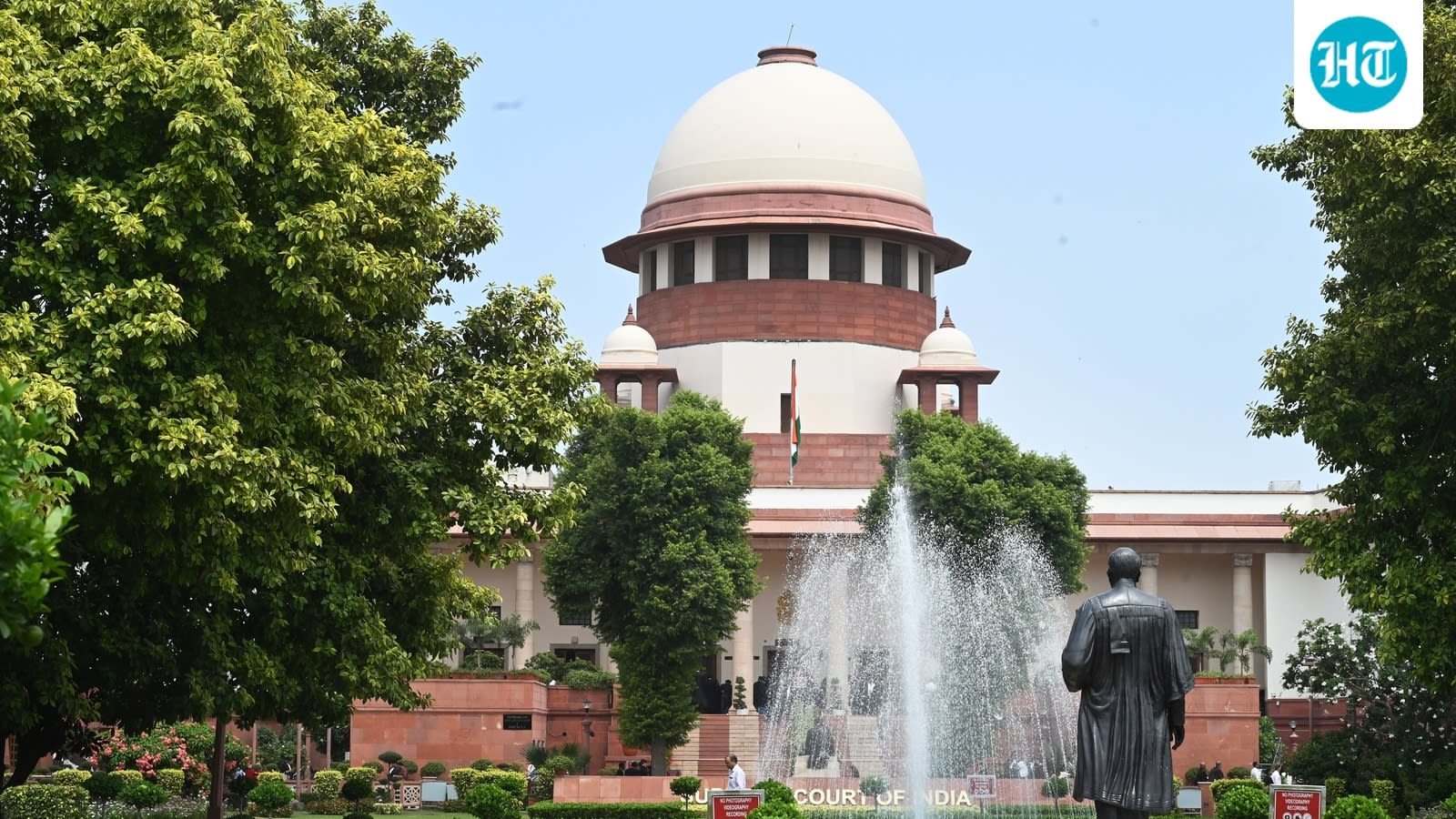
The Supreme Court has directed the ECI to simplify the Delhi electoral roll revision process and extend deadlines for filing forms. The bench emphasized that while Forms 6, 7, and 8 remain fixed, the Commission must address concerns regarding voter deletions and the 'logical discrepancy' issue.
Supreme Court Directs ECI to Streamline Delhi Voter Revision Process
Judicial Oversight on Electoral Integrity
In a significant development regarding the Special Intensive Revision (SIR) of electoral rolls in Delhi, the Supreme Court of India has intervened to ensure the protection of voter rights. A bench comprising Chief Justice of India Surya Kant, Justice Joymalya Bagchi, and Justice V. Mohana has formally requested the Election Commission of India (ECI) to extend deadlines for enrolment and simplify the procedural requirements that have hindered citizens from participating in the democratic process.
The Controversy of Form 6 and Re-enrolment
A primary point of contention addressed by the court is the requirement for individuals already present on the electoral rolls to fill out Form 6 for re-enrolment. The bench expressed skepticism regarding this administrative demand, questioning the necessity of forcing existing voters to navigate the registration process anew. This scrutiny highlights a broader effort by the judiciary to prevent unnecessary bureaucratic hurdles that may lead to the disenfranchisement of legitimate voters.
Clarifying the 'Logical Discrepancy' Doctrine
The Supreme Court took care to clarify its stance on the controversial "logical discrepancy" criterion, which has been utilized as a ground for removing voters from the rolls. The bench explicitly stated that it has not yet adjudicated the constitutionality of this practice. Referencing past cases, the court noted that while similar discrepancies were permitted as interim measures in Bihar and West Bengal, the fundamental legality of these deletions remains an open question that has not undergone exhaustive judicial review.
Constraints on Administrative Forms
During the proceedings, the court observed that certain administrative instruments, specifically Forms 6, 7, and 8 used during the SIR, are "cast in stone." By affirming that these forms cannot be modified by the Election Commission, the court has drawn a clear boundary between the ECI’s operational mandate and the statutory framework of electoral governance. This ensures that while the ECI must simplify the process, it must operate within the established legal definitions of these specific forms.
Future Implications for Voter Access
By instructing the ECI to allow voters who were deleted from draft rolls—and who missed the initial August 17 deadline—to submit their enumeration forms, the Supreme Court is prioritizing voter inclusivity. This directive serves as a crucial check on administrative efficiency, ensuring that the drive for "cleaner" electoral rolls does not inadvertently sacrifice the fundamental right to vote. As the ECI moves to comply with these directives, the case remains a pivotal indicator of how the judiciary balances administrative rigor with the safeguarding of electoral participation.
Multiple Citing Sources
Verification Required?