Declaration part of Form 6 changed since SIR in Bihar
Source Entity
India Latest News: Top National Headlines Today & Breaking News | The Hindu
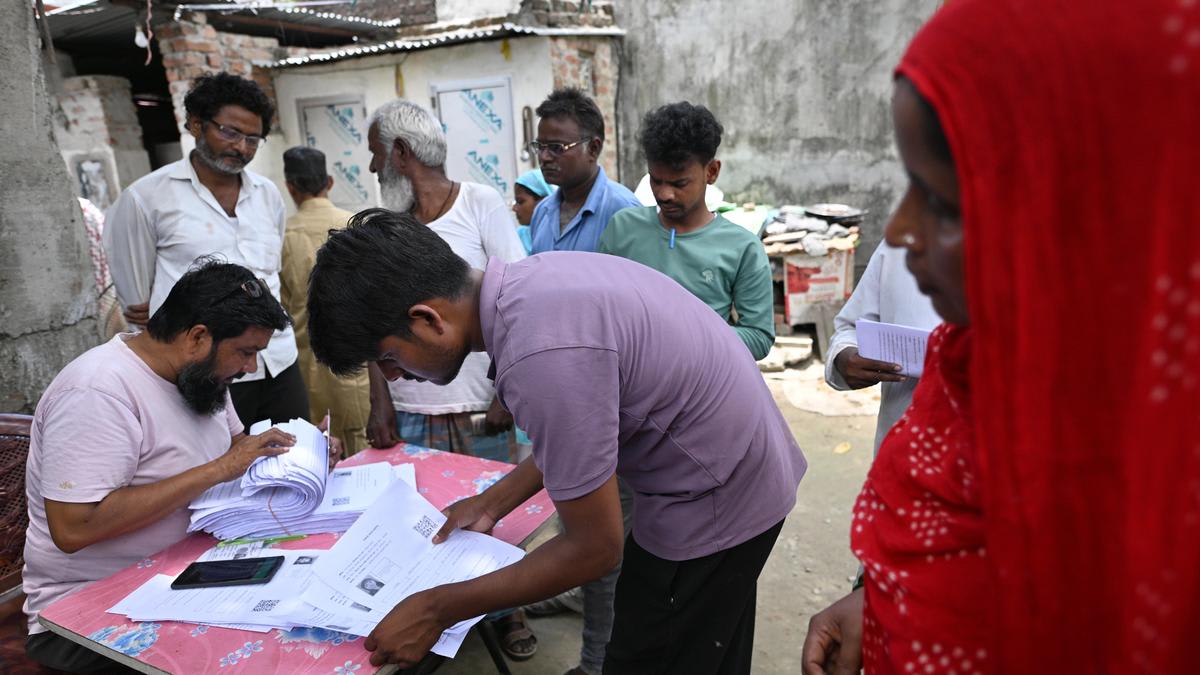
The Election Commission faces scrutiny over new mandatory parental declaration requirements in voter registration forms. While critics allege lack of transparency, the poll body highlights the successful addition of over 2 crore young voters to the rolls since 2025.
The Controversy Surrounding Electoral Roll Revisions
The integrity of electoral rolls remains a cornerstone of democratic legitimacy, and recent developments involving the Election Commission (EC) have sparked significant public and legal debate. At the center of this controversy is the introduction of a new mandatory declaration requirement for new voters filling out Form 6, which necessitates the inclusion of Special Intensive Revision (SIR) details of parents. This shift in the registration process has drawn criticism regarding transparency and the potential for unilateral decision-making.
Legal Challenges and Public Concerns
The tension has escalated to the Supreme Court, where a plea has been filed seeking the prosecution of Chief Election Commissioner Gyanesh Kumar and demanding a Special Investigation Team (SIT) inquiry. Critics argue that the new requirements are overly burdensome and lack sufficient transparency, potentially leading to the arbitrary deletion of voters. The core concern voiced by stakeholders is that the administrative complexity of these revisions may discourage participation rather than facilitate it.
The Poll Body’s Defense
In response to these allegations, the Election Commission has maintained that the electoral rolls undergo continuous updates even after their final publication. Poll officials emphasize that the process is designed to ensure the accuracy of the voter database. Data provided by the EC highlights that since the SIR exercise was initiated in Bihar last June, approximately 2.37 crore new electors in the 18-28 age bracket have been successfully added to the rolls, suggesting a robust expansion of the youth electorate.
Addressing the 'SIR' Requirement
The requirement to cite SIR details of parents—both for existing voters to remain on the rolls and for new applicants seeking inclusion—has become a flashpoint. While the EC asserts these measures are part of a systematic effort to maintain clean data, observers worry that linking parental information to individual voter status creates a barrier to entry. The issuance of specific instructions by the commission has been viewed by some as an opaque administrative pivot that warrants further oversight.
Broader Implications for Democracy
The debate highlights a fundamental tension between the state's need for verifiable voter rolls and the citizen's right to uncomplicated electoral access. As the Election Commission continues its mandate to manage the largest democratic exercise in the world, the balance between technological efficiency and inclusive accessibility will remain critical. Future trends will likely see increased judicial scrutiny over how administrative changes impact the fundamental right to vote.
Conclusion
While the Election Commission points to the inclusion of over 2 crore Gen Z voters as a testament to the success of its recent revisions, the ongoing legal challenges reflect deep-seated anxiety regarding administrative transparency. The resolution of the plea in the Supreme Court will be pivotal in determining whether current registration protocols align with constitutional mandates or if they require substantive reform to ensure public trust in the democratic process.
Multiple Citing Sources
Verification Required?