El Niño Is Flooding California's Coasts with the Highest Tides to Come
Source Entity
Hacker News
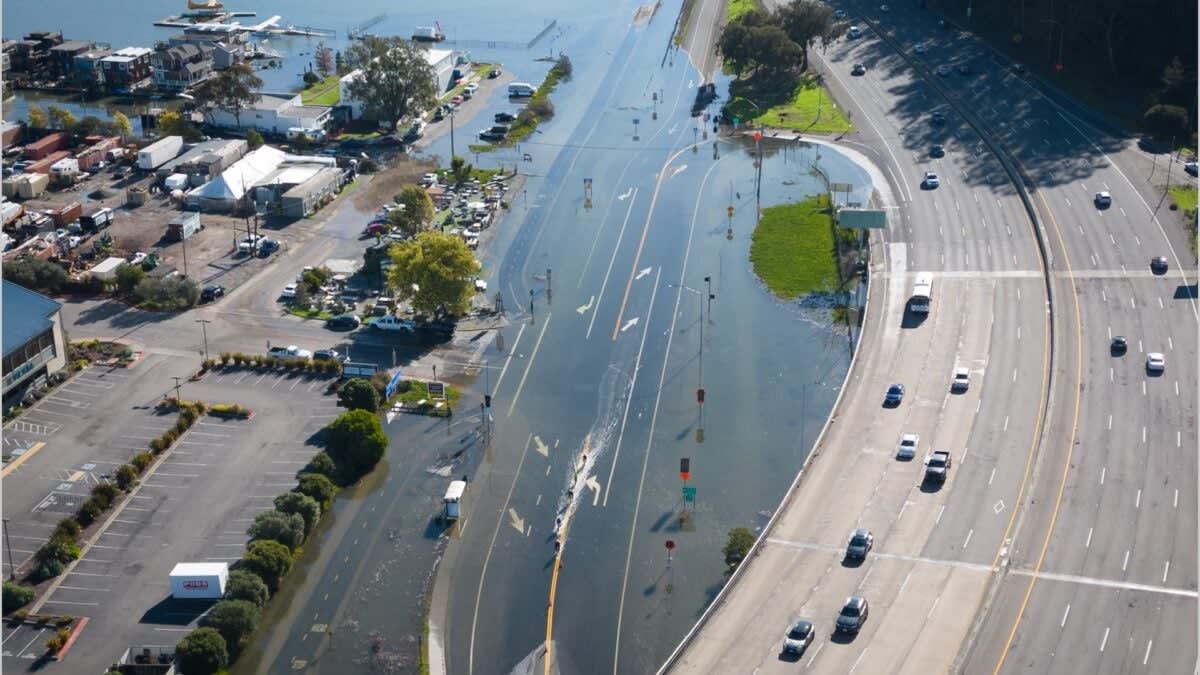
El Niño-driven tidal flooding has inundated Northern California coastal roads, creating significant hazards for commuters. Experts warn these conditions will persist through October, serving as a precursor to more severe flooding expected during the upcoming holiday season.
The Rising Tide: El Niño's Impact on California's Infrastructure
Northern California is currently grappling with a stark demonstration of climate volatility as high tide floodwaters have inundated major transit arteries. In Marin County, the Shoreline Highway—typically a reliable route—was transformed into a two-foot-deep waterway in a matter of thirty minutes this past Tuesday. This incident serves as a visceral reminder of how quickly coastal infrastructure can be compromised when natural tidal cycles are amplified by broader oceanic phenomena.
The Role of El Niño and Kelvin Waves
At the heart of this disruption is the El Niño climate pattern. The phenomenon is currently driving warm, expanding water toward the coast via Kelvin waves—large-scale oceanic waves that travel along the equator and eventually push warm water toward the Americas. As this water warms, it expands, raising the baseline sea level and exacerbating the impact of high tides. This process is not merely a seasonal nuisance but a measurable shift in the regional marine environment that directly threatens low-lying coastal roads from San Pablo Bay to Monterey.
Documenting the Disruption
The visual evidence of this flooding has been stark, with local media outlets like KQED capturing footage of individuals kayaking and paddleboarding over what are normally commuter thoroughfares beneath Highway 101 in Sausalito. These images highlight the precarious nature of coastal living, where the boundary between human-made infrastructure and the natural environment is becoming increasingly porous. The National Weather Service has issued warnings that these coastal hazards are expected to persist throughout the month, potentially reaching their peak around Halloween.
A Troubling Forecast for the Holidays
Perhaps most concerning is the expert consensus that these current events are merely a preview of what is to come. Meteorological models suggest that the conditions driving this flooding will intensify as we approach the Thanksgiving and Christmas holiday windows. The combination of seasonal king tides and the continued influence of El Niño creates a high-probability scenario for significant, recurring flood events that could disrupt travel and damage critical infrastructure across the Bay Area.
Broader Implications and Future Trends
The current flooding events in the Bay Area underscore a growing vulnerability in coastal planning. As sea levels continue to rise and El Niño cycles potentially become more unpredictable, the reliance on existing coastal highways becomes a liability. This situation necessitates a reassessment of infrastructure resilience. Moving forward, authorities will likely face increased pressure to implement adaptive measures, such as raising road elevations or developing more robust drainage systems to mitigate the impact of periodic, yet increasingly severe, tidal incursions.
Conclusion
In summary, the flooding of the Shoreline Highway and surrounding areas is a direct consequence of current climatic pressures. While the immediate focus remains on managing the hazards through the remainder of October, the long-term outlook suggests that these events will serve as a recurring challenge. Californians must prepare for a holiday season where the intersection of transit and tidal flooding may become a recurring narrative, necessitating both short-term caution and long-term strategic adaptation.