In the 1860s, Thomas Hogg sent Japanese knotweed to his brother’s New York nursery; within decades, the ornamental had become a serious pest
Source Entity
Latest News: Todays Latest News Headlines from India & World | Hindustan Times | Hindustan Times
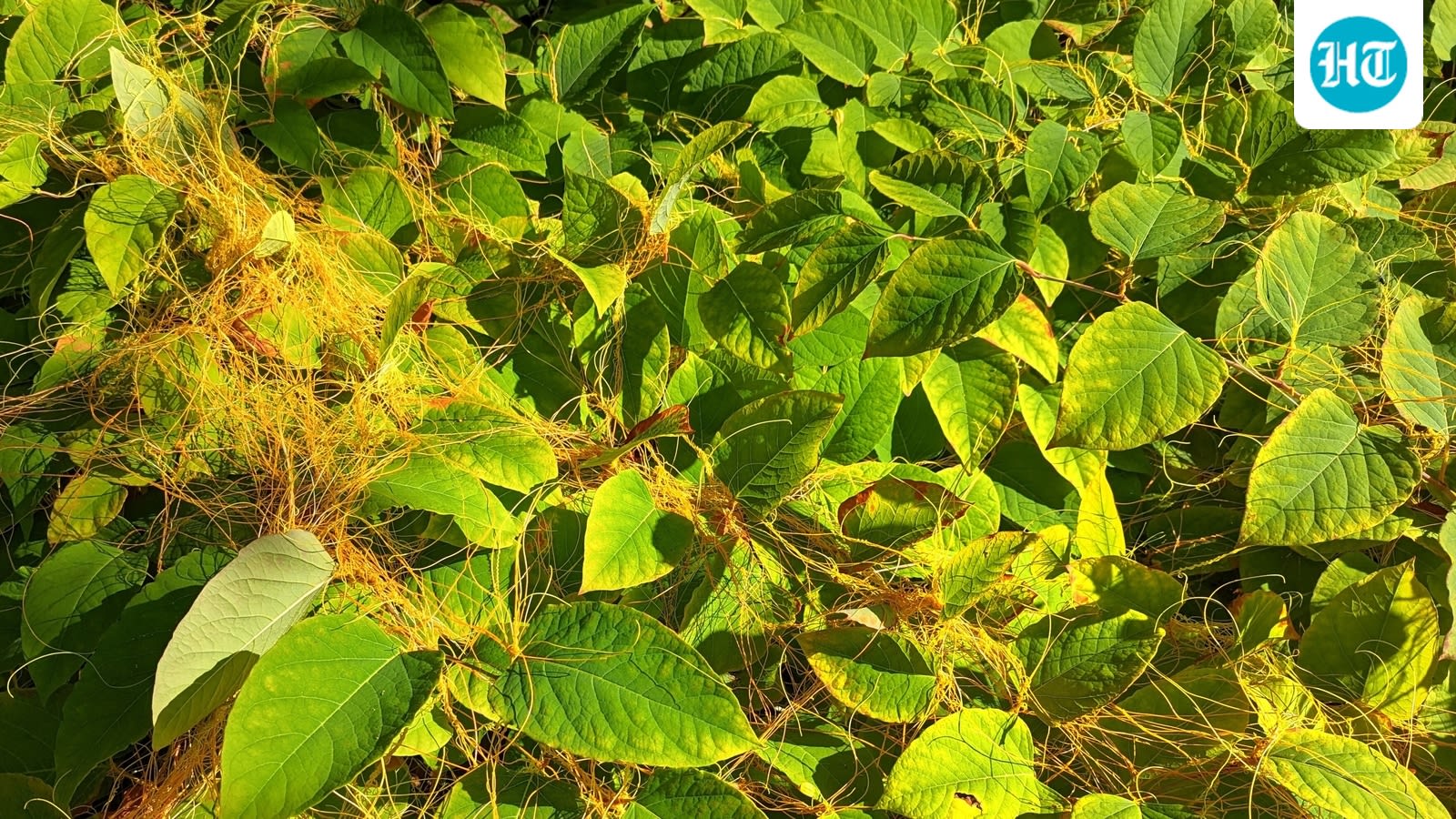
The invasive spread of Japanese knotweed in the U.S. traces back to 1860s horticultural shipments imported by the Hogg brothers. Botanical analysis of historical specimens reveals that these early introductions likely established the foundation for the plant's current status as a global ecological threat.
The Botanical Origins of an Invasive Crisis
The introduction of Japanese knotweed (Reynoutria japonica) into the United States serves as a cautionary tale in the history of global horticulture. In the 1860s, Thomas and James Hogg, acting as nurserymen, facilitated the entry of this species into the New York market. Initially valued as an ornamental curiosity, the plant's rapid proliferation from a Manhattan nursery into the wild illustrates how localized commercial choices can have profound, long-term ecological consequences.
Scientific Investigation of Historical Specimens
Recent research conducted by Del Tredici, utilizing a rare dried specimen collected by M. Ruger in 1873, provides deep insight into the plant’s biological establishment. By examining the anatomy of the plant under a microscope, researchers identified sterile anthers on the female specimen. This discovery is pivotal; because the plant was known to produce abundant fruit, it implies the existence of a male counterpart in the vicinity. This confirms that the early shipments were not merely isolated individuals but a viable breeding population capable of rapid dispersal.
Multiple Pathways of Introduction
Historical records from the late 19th century—specifically articles dating from 1868, 1872, and 1875—indicate that the spread was not the result of a single error. Instead, there were at least three distinct introduction events during the 1860s. While one shipment arrived directly from Japan via the Hogg nursery, two others originated from European sources. This multi-pronged introduction strategy likely contributed to the high genetic diversity and robust resilience now observed in modern knotweed populations.
Ecological and Structural Implications
Today, Japanese knotweed is classified as one of the world’s most dangerous invasive species. Its ability to thrive in diverse soil conditions and its aggressive root system allow it to outcompete native flora and even compromise human infrastructure. The legacy of those 1860s nursery shipments is a multi-generational environmental challenge that requires intensive management and has fundamentally altered North American landscapes.
Conclusion: Lessons for Modern Biosecurity
The history of the Hogg brothers' nursery trade underscores the necessity of stringent biosecurity measures in the global plant trade. What began as a horticultural novelty has evolved into a persistent ecological pest. Understanding the specific botanical origins and the timeline of these introductions provides a critical baseline for scientists working to manage the spread of invasive species and prevent similar biological invasions in the future.
Verification Required?