Energy drinks to be banned for under-16s in England from April
Source Entity
BBC News
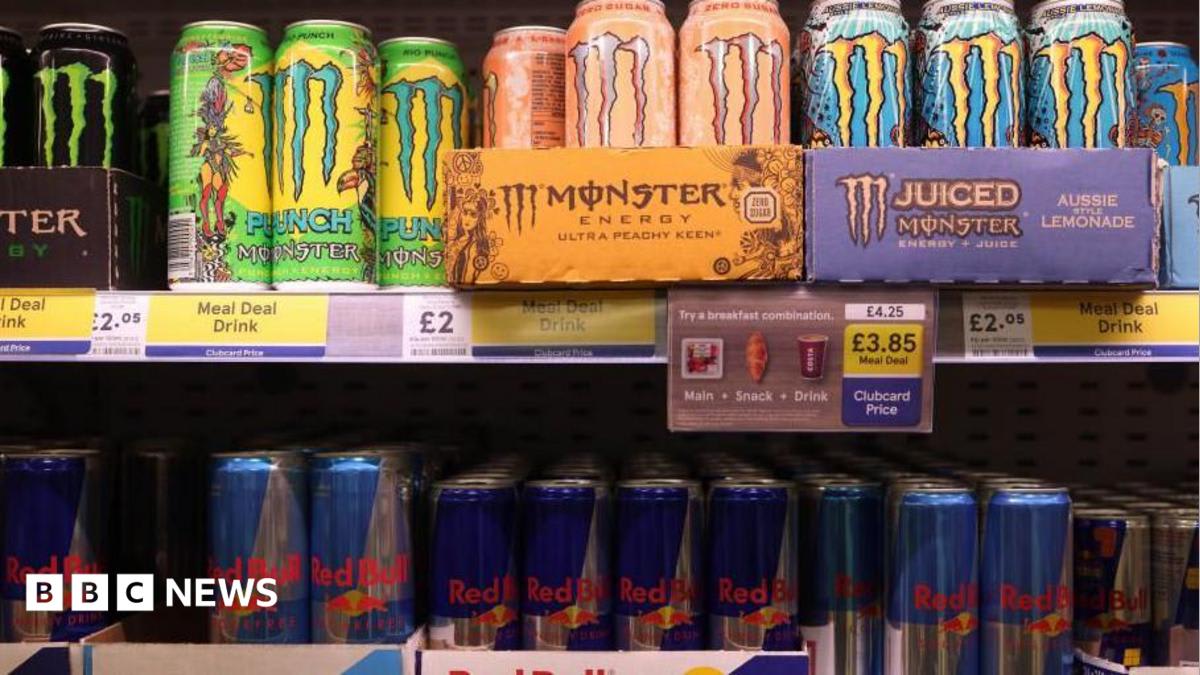
England will ban the sale of energy drinks containing over 150mg of caffeine per litre to children under 16 starting in April. The measure aims to combat childhood obesity and improve sleep, mental health, and academic performance.
England Implements Strict Ban on High-Caffeine Energy Drinks for Minors
In a decisive move to safeguard the health and well-being of the younger generation, the English government has announced a comprehensive ban on the sale of high-caffeine energy drinks to children under the age of 16. Scheduled to take effect in April, this policy marks a significant intervention in the retail landscape, targeting a specific category of beverages that have become increasingly prevalent in youth culture. By establishing a clear legal threshold for caffeine content, the government seeks to curb the consumption of stimulants that are often marketed aggressively to teenagers and children.
Understanding the Regulatory Threshold and Scope
The core of the new regulation is the establishment of a caffeine limit: any drink containing more than 150mg of caffeine per litre will be illegal to sell to those under 16. This ban is designed to be airtight, spanning all points of sale including physical shops, restaurants, cafes, and vending machines, as well as online marketplaces. To provide clarity for retailers and consumers, the government has specified that popular high-stimulant brands such as Red Bull, Monster, Relentless, and Prime will fall under this restriction. Conversely, the policy avoids overreach by excluding lower-caffeine soft drinks like Diet Coke, as well as traditional beverages such as tea and coffee, focusing specifically on the concentrated energy drink market.
Addressing a Public Health Crisis
The scale of the issue is substantial, with approximately 100,000 children in England consuming energy drinks on a daily basis. The health concerns are rooted in the potency of these beverages; some popular brands deliver a caffeine dose that exceeds that of two cups of coffee or four cans of cola. This level of stimulant intake in developing bodies is linked to a variety of adverse health outcomes. Public Health Minister Sharon Hodgson has emphasized that these measures are a firm commitment to reducing childhood obesity levels, as these drinks are often laden with high sugar content alongside their caffeine loads.
Impact on Mental Health and Cognitive Development
Beyond physical health and obesity, the government is targeting the psychological and cognitive toll of high caffeine consumption. The analysis provided by health officials suggests a direct correlation between the consumption of these drinks and disrupted sleep patterns, which can lead to a vicious cycle of fatigue and further stimulant reliance. Furthermore, the ban aims to mitigate increased levels of anxiety and a general lack of concentration among younger teenagers. These neurological disruptions are not merely health issues but have tangible impacts on the educational trajectory of students, contributing to poor school results and diminished academic engagement.
Broader Implications and Future Outlook
This policy reflects a growing global trend toward the regulation of stimulants targeted at minors. By treating high-caffeine drinks similarly to age-restricted products, the UK government is signaling that the responsibility for youth health extends beyond the home and into the retail sector. In the coming months, the industry is likely to see a shift in product formulation as brands attempt to bring their caffeine levels below the 150mg/L threshold to maintain their youth market. This could lead to a new wave of 'low-stimulant' alternatives designed specifically to bypass the legislation while still appealing to the same demographic.
Conclusion
The upcoming ban in England represents a systemic attempt to decouple youth culture from high-stimulant consumption. By focusing on the intersection of nutrition, sleep, and mental health, the government is addressing the root causes of declining school performance and rising obesity. While the transition in April will require rigorous enforcement across both digital and physical storefronts, the long-term goal is a healthier, more focused, and less anxious generation of students.