12 COVID cases, 4 deaths reported in A.P. since June 26, but no need to worry, says health official
Source Entity
India Latest News: Top National Headlines Today & Breaking News | The Hindu
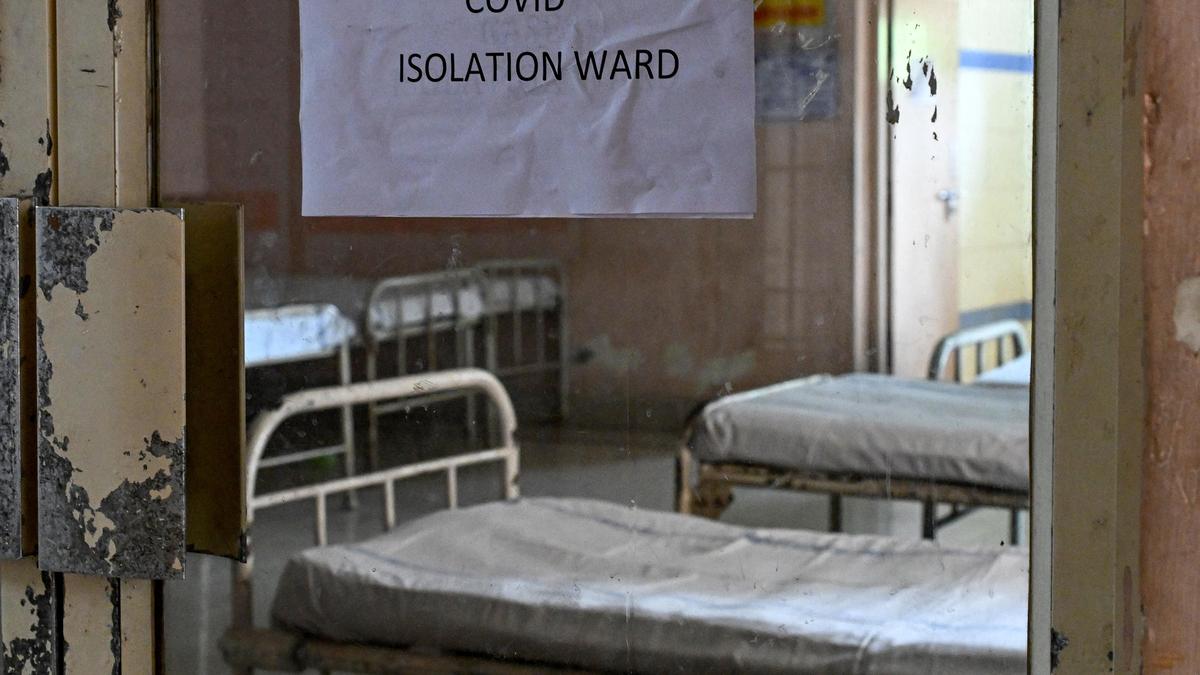
Andhra Pradesh reported 12 COVID-19 cases and 4 deaths between June 26 and July 16, with fatalities occurring among patients with severe comorbidities. Health Secretary G. Veerapandian stated there are no cluster outbreaks and no cause for public alarm.
Analysis of Recent COVID-19 Activity in Andhra Pradesh
Recent data released by the Andhra Pradesh Health Department reveals a small but noteworthy uptick in COVID-19 activity between June 26 and July 16. During this period, 12 positive cases were recorded across the state, resulting in four fatalities. While any increase in cases of a pandemic-grade virus warrants monitoring, Health Secretary G. Veerapandian has emphasized that the current situation does not call for public panic, as the cases are sporadic rather than concentrated.
Geographic Distribution and Outbreak Patterns
The distribution of the twelve cases suggests a lack of centralized transmission. The Kadapa district emerged as the most affected area, reporting eight of the total cases. Other instances were scattered across the state, with two cases identified in Mangalagiri within the Guntur district, and single cases reported in Visakhapatnam and Kakinada. Crucially, the Health Department has clarified that there is no evidence of a cluster outbreak; the cases were reported from different mandals, indicating that these were likely isolated infections rather than a community-wide surge.
The Role of Comorbidities in Mortality
A significant finding in this reporting period is the direct correlation between patient health history and mortality. All four deaths reported—three in Kadapa and one in Kakinada—occurred in individuals with multiple comorbidities. These pre-existing conditions included high blood pressure, diabetes, and kidney disease, among other severe illnesses. This pattern underscores a continuing trend observed throughout the pandemic: while the virus may be manageable for the general population, it remains highly lethal for those with compromised organ function or metabolic disorders.
National Context and Comparative Scale
To put the situation in Andhra Pradesh into a broader perspective, the official release noted that 339 COVID-19 cases had been recorded across India since July 1. When compared to the national figure, the 12 cases in Andhra Pradesh represent a small fraction of the overall activity in the country. This context supports the government's stance that the current localized increase is not indicative of a new national wave, but rather a baseline level of viral circulation.
Medical Insights on Immune Memory
Health Secretary G. Veerapandian provided critical medical context regarding the nature of current infections, specifically citing "immune memory." He explained that while existing immunity (from previous infections or vaccinations) may not completely prevent a person from contracting the virus, it plays a vital role in preventing the infection from becoming fatal. This distinction is key to understanding why the general public is considered safe, while those with severe comorbidities remain at high risk despite any existing immune memory.
Implications for Public Health Strategy
The current strategy in Andhra Pradesh appears to be one of vigilant monitoring rather than aggressive lockdown or restriction. By identifying that cases are isolated to different mandals and not forming clusters, health officials can focus their resources on targeted surveillance and the protection of high-risk individuals. The focus remains on managing patients with pre-existing conditions who are most susceptible to severe outcomes.
Conclusion
In summary, the recent report of 12 COVID-19 cases in Andhra Pradesh is a reminder of the virus's persistence, but not a signal of a returning crisis. The high mortality rate among the infected (33%) is skewed by the presence of severe comorbidities in those specific patients. With no cluster outbreaks reported and a clear understanding of the role of immune memory in reducing fatality, the state health department maintains a posture of cautious reassurance.
Verification Required?