Covid Cases Rising Again: Here's What Your Health Insurance Won't Cover
Source Entity
NDTV News Search Records Found 1000
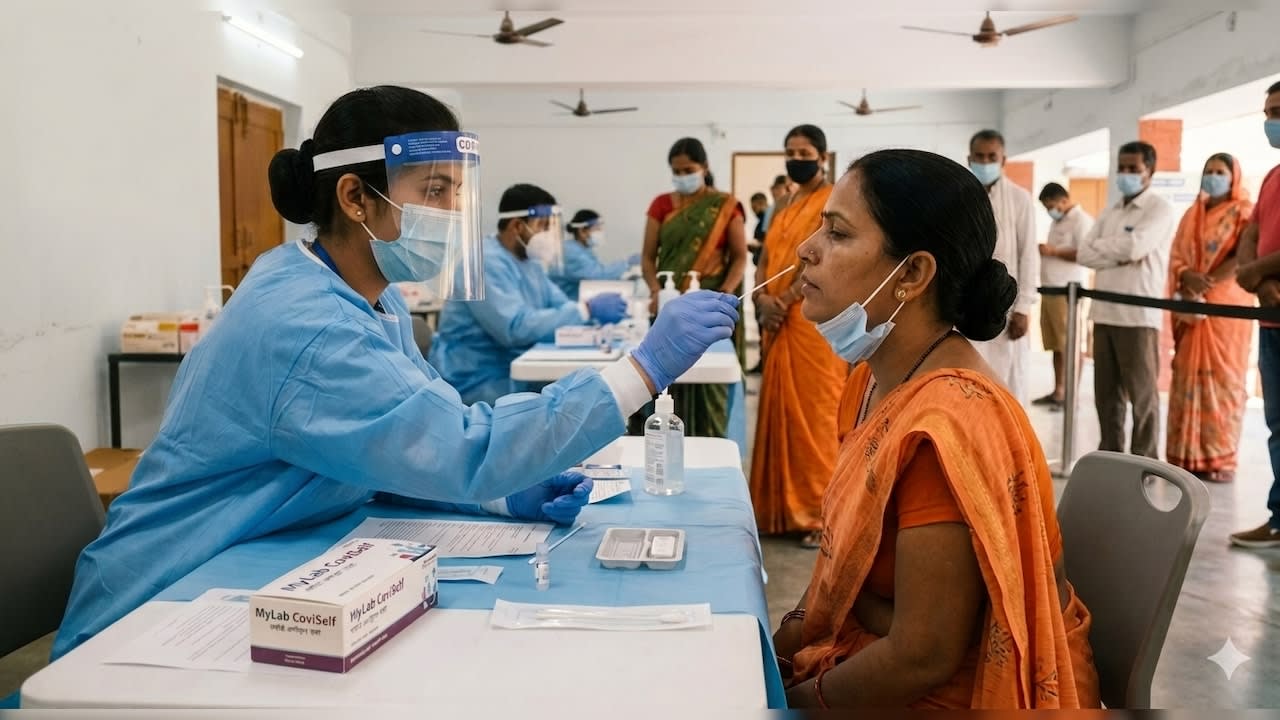
As Covid-19 cases see a resurgence, comprehensive health insurance plans have largely transitioned to treating the virus as a standard illness. This indicates a shift from emergency pandemic-specific coverage to normalized healthcare protocols.
Analysis of Covid-19 Resurgence and Insurance Coverage Trends
The Shift Toward Normalization
With the reported rise in Covid-19 cases, there is a critical shift in how the healthcare financial ecosystem manages the virus. The core finding is that most comprehensive health insurance plans now treat Covid-19 like any other illness. This represents a significant departure from the early stages of the pandemic, where insurers often struggled with policy wording, leading to the creation of special 'pandemic riders' or temporary emergency coverage mandates. The current trend suggests that the industry has moved toward a state of 'endemic management,' where the virus is no longer viewed as an unprecedented global anomaly but as a manageable respiratory condition.
Implications of Standardized Coverage
When an insurance provider treats Covid-19 as a 'standard illness,' it means the claim process is now integrated into the existing framework of the policy. This implies that the standard terms and conditions—including deductibles, co-payments, and out-of-pocket maximums—apply just as they would for pneumonia or the seasonal flu. While this streamlines the administrative process, it also means that the specialized, often fully-covered emergency protocols seen in 2020 and 2021 are likely gone. Policyholders must now rely on the specific tiers of their comprehensive plans to determine the extent of their financial liability.
Historical Context of Pandemic Insurance
Historically, the insurance industry faced a crisis of definition during the initial outbreak of Covid-19. Many policies had exclusions for 'epidemics' or 'pandemics,' leading to widespread legal disputes and government interventions to ensure patients could receive care. The evolution to treating Covid-19 as a standard illness is the result of years of policy adjustments and regulatory pressure. This transition ensures that there is no longer a 'coverage gap' specifically for Covid-19, provided the user has a comprehensive plan, thereby stabilizing the financial risk for both the provider and the patient.
Broader Healthcare System Impact
This normalization extends beyond insurance into the broader healthcare delivery system. By treating Covid-19 as a standard illness, hospitals and clinics can integrate Covid-19 care into general internal medicine and pulmonary departments rather than maintaining isolated, high-cost pandemic wards. This integration allows for more efficient resource allocation during spikes in cases. However, it also places a higher burden on the individual to understand their specific policy limits, as the 'emergency' safety nets of the early pandemic era have been phased out in favor of standard contractual obligations.
Future Outlook and Patient Preparedness
Looking forward, the trend suggests that Covid-19 will remain a permanent fixture of the seasonal illness landscape. As cases fluctuate, the reliance on comprehensive insurance will only grow. Patients are encouraged to review their policy documents to ensure their 'standard illness' coverage is sufficient for potential hospitalizations. The industry is likely to continue refining its actuarial models to account for the recurring nature of the virus, potentially adjusting premiums to reflect the ongoing risk of respiratory surges.
Conclusion
In summary, the resurgence of Covid-19 cases is being met with a matured insurance response. The transition to treating the virus as a standard illness simplifies the coverage landscape but necessitates a clearer understanding of one's policy details. By moving away from emergency-only frameworks, the health insurance sector has effectively integrated the pandemic's legacy into the routine of modern healthcare management.
Verification Required?